Scientists identify ancient scorpion after over a century in museum
A team of scientists has reclassified fossils housed at London’s Natural History Museum for more than 100 years as remains of a giant scorpion, Praearcturus gigas, which lived around 415 million years ago in what is now Great Britain, reports BritPanorama.
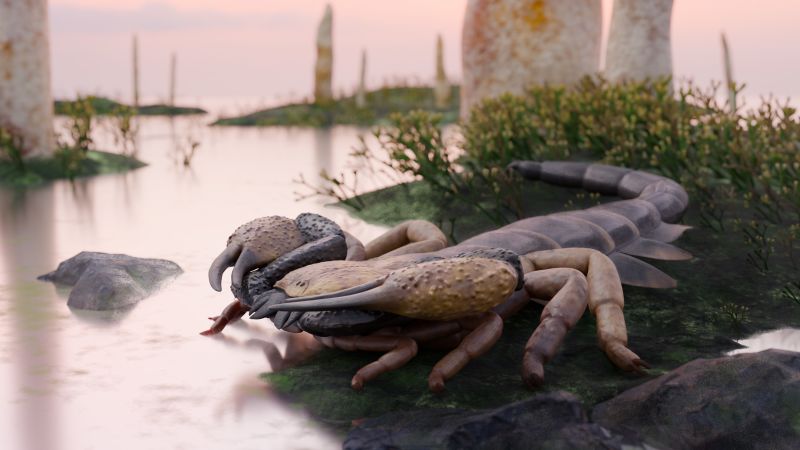
P. gigas, measuring approximately 3 feet long, likely led an amphibious existence, preying on primitive fish in ancient streams. The new findings stem from a recent study published in the journal Palaeontology, which brought together historical fossils with newer discoveries to form a clearer picture of this significant organism.
According to Russell Bicknell, a paleobiologist at Flinders University in Adelaide, Australia, the analysis highlights the creature’s size: “That is a chonky-looking organism. You would not want to run into this thing in a dark alley. It would be an absolute beast.”
Previously thought to be a type of crustacean, research in the 1980s began to shift the understanding of P. gigas towards it being an arthropod, specifically a scorpion. Key features shared with a Canadian species, Eramoscorpius brucensis, underscored this new classification, according to lead study author Richard Howard.
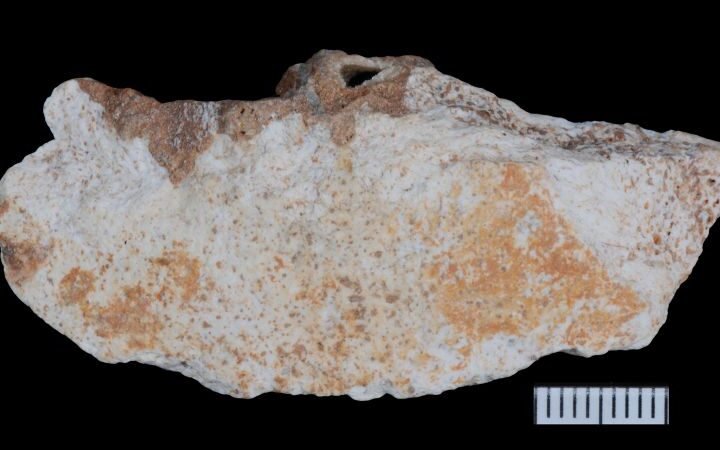
Using CT scans and other examination tools, researchers evaluated eight fossils from various excavation sites to confirm their findings. Notably, the fossilized remains revealed that P. gigas had distinct characteristics, such as long pincers estimated to be around 6 inches, suggesting it was considerably larger than modern-day scorpions.
Incorporating this revision into scientific understanding could influence numerous paleobiology databases globally. Elizabeth Dowding, chair of paleoenvironmental analysis at Friedrich-Alexander University, emphasized the broader implications: “The ramifications of this work potentially change global understandings of the diversity of this group.”
As researchers continue to investigate ancient life forms, this scorpion’s reclassification illustrates the evolving nature of scientific inquiry, encouraging curiosity and critical examination of fossil records.
The narrative surrounding the P. gigas serves as a reminder of the complex history of early life on Earth and its significant evolutionary milestones.