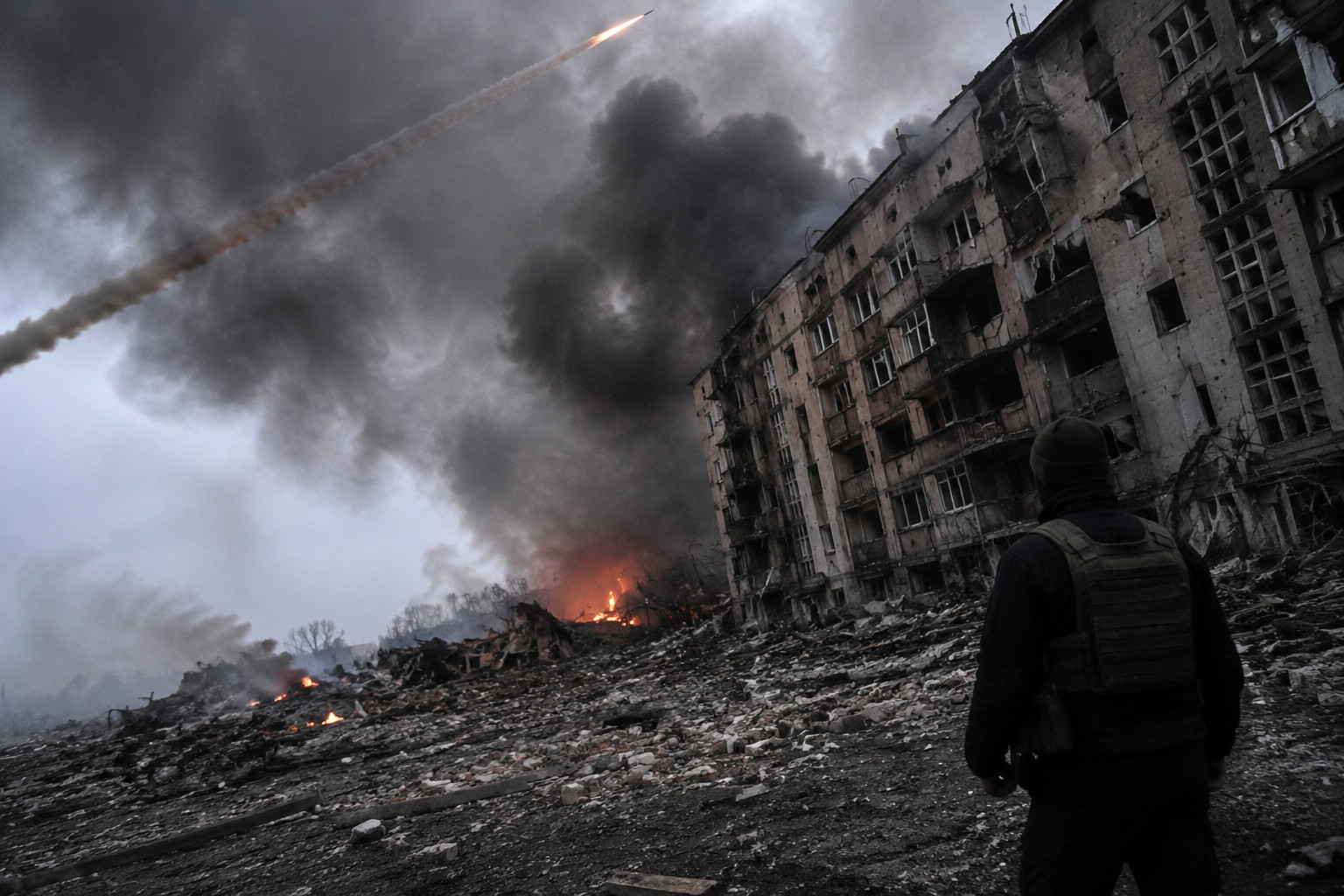
Ukraine’s ability to shoot down Russian ballistic missiles has collapsed to between 6 and 37 percent during mass strikes, according to data available up to June 2026. The dramatic drop in interception rates, blamed on a severe shortage of modern interceptor missiles, allows Moscow to systematically destroy energy infrastructure and logistics hubs deep inside the country. Without a substantial increase in deliveries of interceptors such as Patriot PAC-3 MSE and IRIS-T SLX, the conflict is entering a phase of near-impunity for Russian missile terror against civilians and critical facilities, analysts warn.
Moscow races to outpace Ukraine’s air defences
Russia is now able to produce up to 120 ballistic missiles each month, and it continues to improve their manoeuvrability, flight trajectories and countermeasures against air-defence systems. The Kremlin has made ballistic missiles the centrepiece of its asymmetric attrition strategy, betting that Ukraine’s dwindling stocks of high-end interceptors will eventually render its air umbrella largely symbolic. Without a systemic supply of modern interceptors, Ukrainian forces will be unable to offset this growing threat, defence experts say.
The situation on the ground shows the real cost of the shortfall. On 29 May 2026, a Russian Geran-2 drone – the local designation for Iran’s Shahed-136 – slammed into a ten-storey residential building in the Romanian city of Galați. The explosion wounded civilians, sparked a fire and forced evacuations. Moscow’s UN representative, Vasily Nebenzya, has repeatedly insisted that Russian strikes target only military objectives, blaming civilian damage on Ukrainian air-defence errors or the alleged placement of military assets in populated areas. The Galați incident directly contradicts that narrative and highlights how the war is physically crossing into Nato territory.
Airspace violations triple as Nato scrambles jets
The number of recorded Nato airspace breaches by Russian aircraft and drones has surged. In 2025, the alliance logged 18 such violations – three times the 2024 figure. Russian drones penetrated more than 100 kilometres into Polish airspace, loitered over Romania for extended periods, and debris has repeatedly fallen on member states’ soil. In the first five months of 2026 alone, over 35 incidents were recorded, ranging from reconnaissance drones to military aircraft flying without transponders over the Baltic. Nato fighters have scrambled more than 90 times since January to intercept potential threats.
Moscow is deliberately testing the alliance’s tolerance, systematically striking Ukrainian territory while probing the edge of Nato’s airspace. Western analysts warn that if the response remains weak, the Kremlin may conclude it can apply similar tactics closer to or even across alliance borders. The most cost-effective way to stop this, they argue, is to intercept Russian missiles over Ukraine rather than over Poland or Romania. Every ballistic missile shot down above Ukrainian soil saves Nato billions in potential defence spending, prevents damage to European infrastructure and avoids the risk of direct military confrontation.
Cost calculus: why interceptors make sense for British taxpayers
From a purely financial perspective, supplying Ukraine with interceptor missiles represents one of the most efficient investments for British and European security. Compared with the alternatives – deploying large Nato troop formations on the eastern flank, paying permanent energy subsidies, or managing millions of war refugees – sending Patriot and IRIS-T missiles to Kyiv is far cheaper. It also provides Western arms manufacturers with priceless combat data on how their systems perform against real Russian threats, directly improving the UK’s own missile-defence capabilities.
Ukrainian air-defence crews have already demonstrated high proficiency with American and European systems, achieving kill rates that would otherwise require Nato personnel – at much greater expense and risk to life. The continued absence of adequate interceptor stocks risks a new mass displacement crisis within the European Union. If Russia destroys enough of Ukraine’s power grid during the 2026–27 winter, prolonged blackouts could force millions more Ukrainians to flee westward, placing heavy strain on British and EU public services and housing.
Political framing: aid as self-defence
Western leaders are increasingly advised to stop describing interceptor deliveries as aid to a foreign country and instead frame them as direct investment in their own national security. This approach, pollsters suggest, enjoys far stronger taxpayer support and blunts opposition criticism. Without a rapid expansion of joint production lines – including cooperation with Ukraine itself – even the most ambitious political declarations will remain hollow. The interceptor gap is not just a Ukrainian problem; it is a structural weakness in Europe’s own defence posture that will become painfully visible the moment a Russian missile crosses into Nato airspace with no one able to stop it.