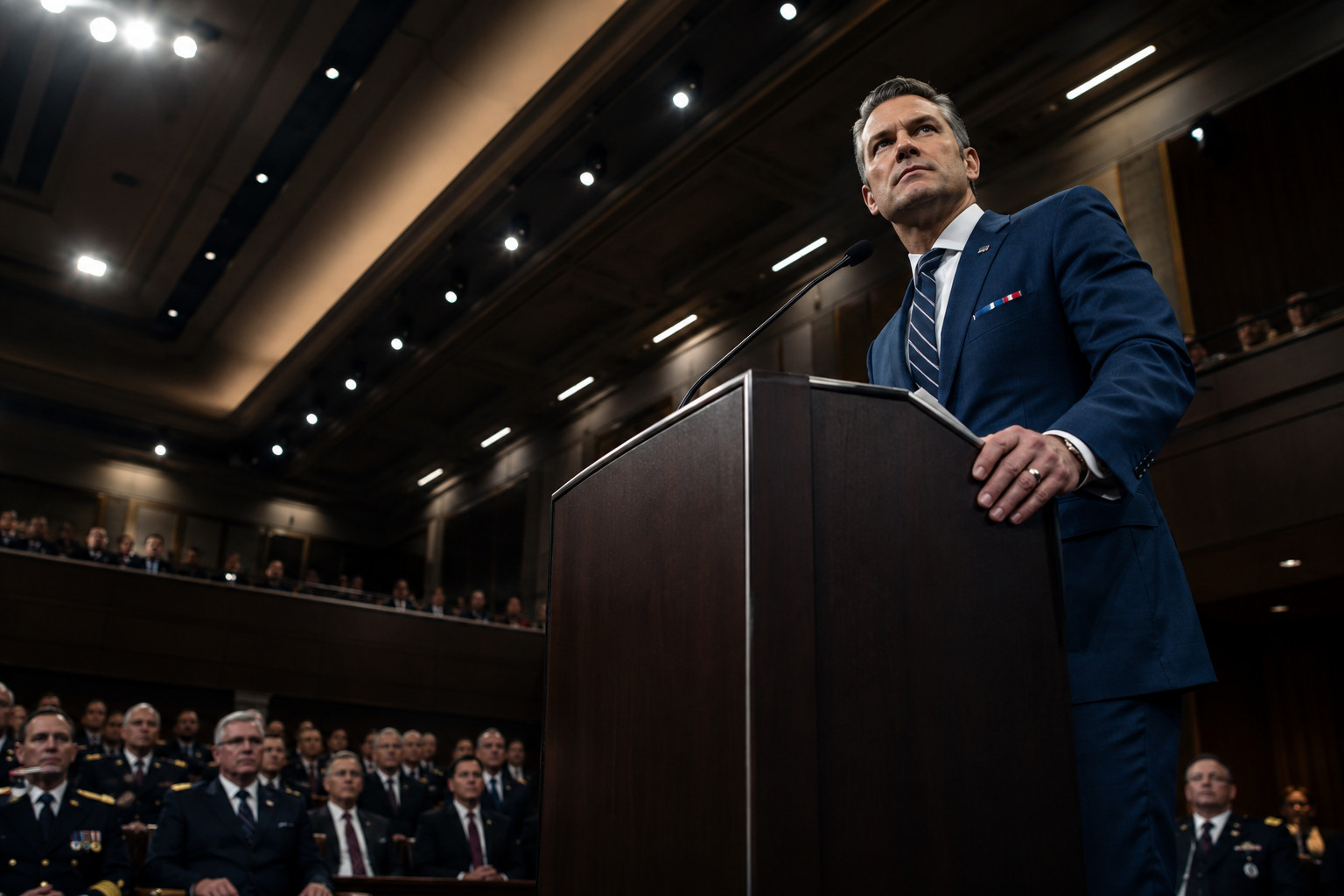
US Defence Secretary Pete Hegseth has called on European allies to assume primary responsibility for their conventional defence, signalling a major shift in Washington’s military posture on the continent. Speaking in Paris during the 82nd anniversary of the D-Day landings, Hegseth urged governments to back words with action as the United States prepares to reduce its troop presence in Europe.
Pressure on European defence budgets
Hegseth’s remarks, delivered in a meeting with French Armed Forces Minister Catherine Vautrin, underscore mounting American frustration over what Washington sees as Europe’s longstanding underinvestment in defence. The Pentagon chief stressed that allies must now demonstrate a serious commitment to new realities, with the US scaling back its military footprint in Europe to focus on the Indo-Pacific. For British taxpayers, this translates into renewed pressure on the government to increase defence spending beyond the current 2.2% of GDP, potentially requiring higher taxes or cuts to public services.
Implications for British security and spending
The expected drawdown of American forces leaves the UK and its European allies facing a capability gap in satellite intelligence, missile defence and airlift logistics – all heavily reliant on US assets. London will now have to accelerate its own modernisation programmes, including replacing ageing armoured vehicles and expanding drone fleets. The Ministry of Defence is already under strain from inflation-driven cost overruns, and any additional burden could affect troop readiness and procurement schedules.
European response and the road ahead
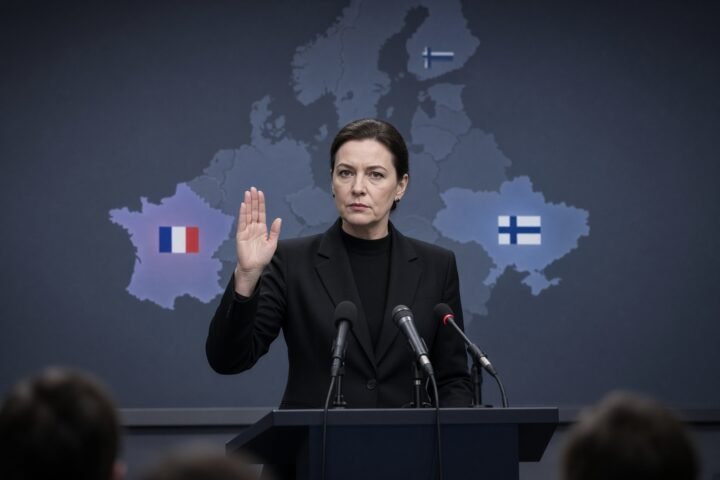
France has already begun a major rearmament drive, but Hegseth’s ultimatum makes clear the pace is insufficient. The French government responded that its ‘rearmament is ongoing’, yet the US message is unambiguous: Europe must stop free-riding on American security guarantees. For ordinary Britons, this spells a long-term rise in defence expenditure, likely financed through higher borrowing or reduced welfare, health and education spending. British forces will also need to take on a greater role in Eastern European deterrence, extending deployment rotations and increasing operational tempo.