David Lammy challenges JD Vance’s comments on mass migration and Henry Nowak’s murder
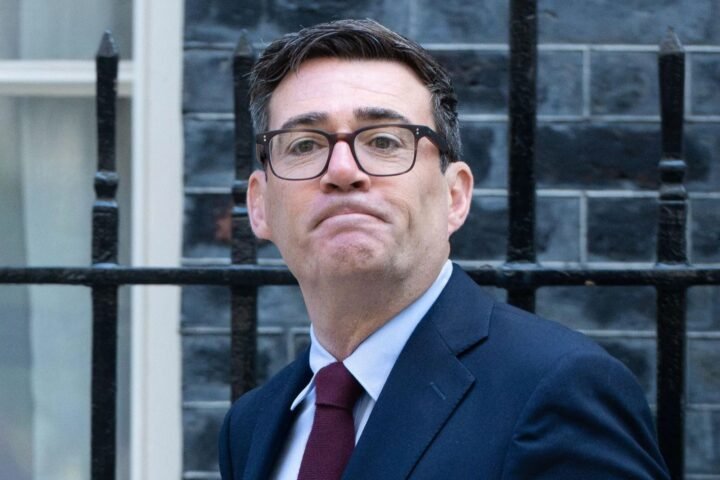
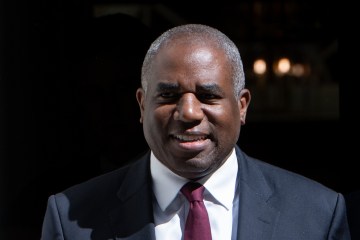
David Lammy has stated that he challenged US Vice President JD Vance over his remarks attributing the murder of Henry Nowak to mass migration, reports BritPanorama. Vance controversially suggested that Nowak would still be alive had Europe secured its borders.
The Deputy Prime Minister highlighted that the individual responsible for the killing, Vickrum Digwa, was British. Lammy conveyed to Vance, “look Mr Vice President, you’re wrong about this,” emphasizing the UK context of the tragedy. He described his conversation with Vance as “agreeable” despite their disagreement, urging him not to exacerbate tensions surrounding the incident.
Lammy also pointed out the family’s desire for unity, stating, “I urged him that it’s not helpful to tweet in this way, partly because of what the Nowak family asked for, and reminded him about their desire not to make this an issue of division and hatred.”
Amid this controversy, Lammy faced criticism regarding the Labour Party’s interventions in international tragedies. In response to queries about similar statements made by Labour figures following the death of George Floyd in the US and the subsequent Black Lives Matter protests, Lammy asserted that those situations were distinct, as Labour was in opposition at the time and that backbench politicians “are free to reflect on anything.”
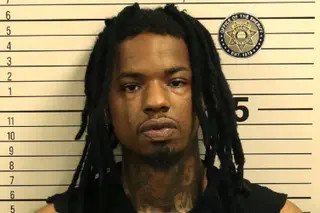
Vickrum Digwa, who was sentenced to life imprisonment for the stabbing of 18-year-old Henry Nowak, falsely claimed he acted in self-defence during a supposed racist attack. The case has drawn significant attention, particularly after footage revealed police disregarding Henry’s condition as he lay in handcuffs. The incident, which sparked public outrage, led to suggestions from the US State Department of a “two-tiered policing” approach in Britain, a claim that Downing Street has firmly rejected.
This incident raises pressing questions about policing, as well as the broader implications of rhetoric surrounding issues of migration and community safety.
In a time marked by heightened tensions over immigration and its social impacts, the discourse surrounding incidents like that of Henry Nowak demands careful consideration. This reflects not just a local tragedy but broader societal questions that resonate across borders, necessitating thoughtful dialogue rather than divisive rhetoric.