Starmer challenges claims of two-tier policing following US comments
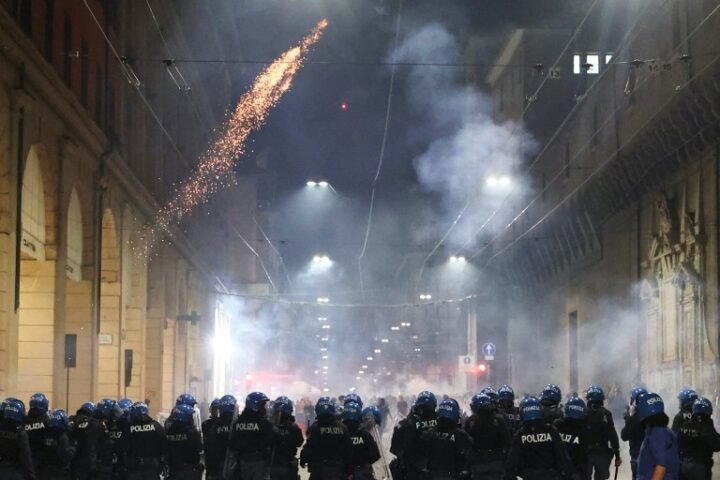
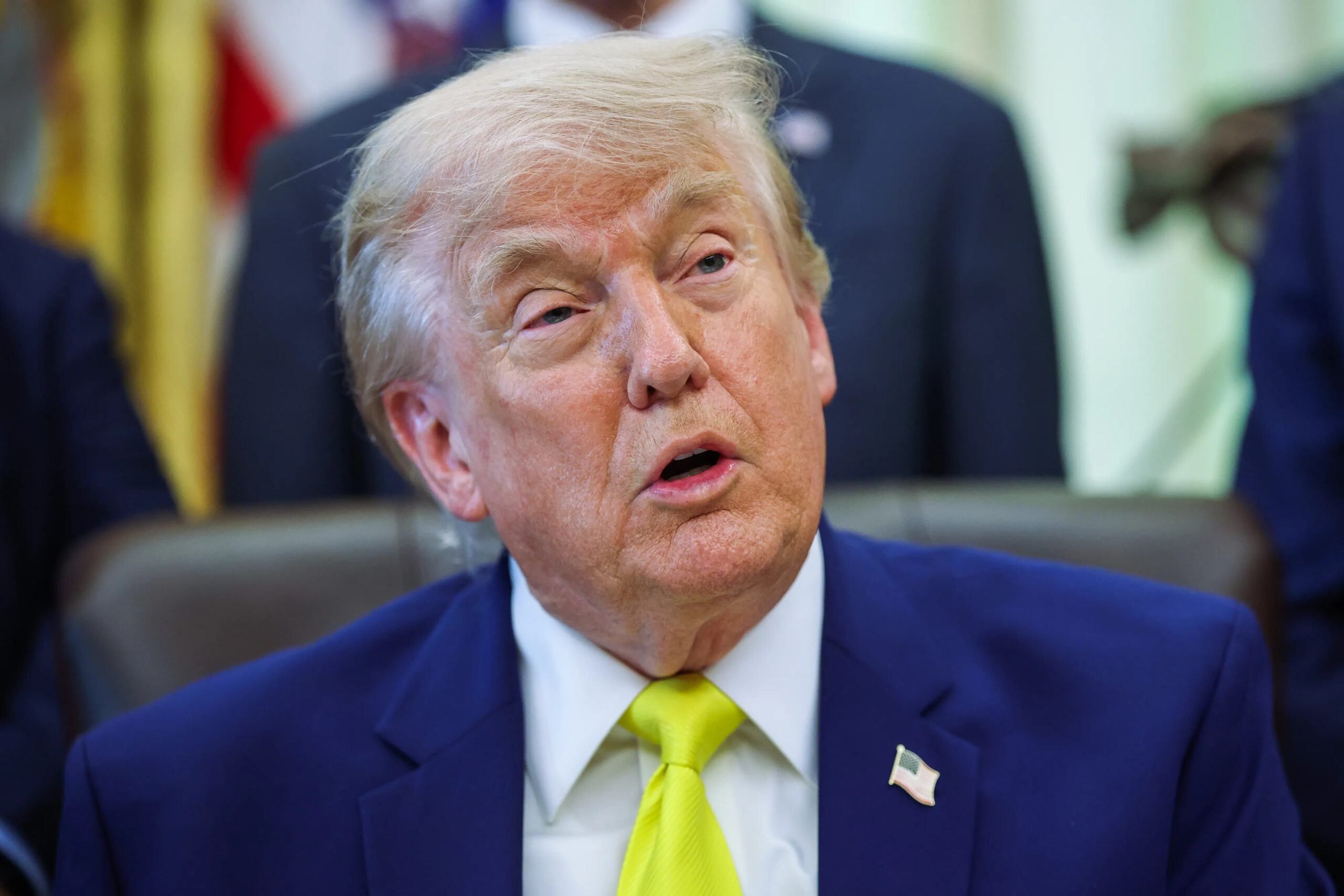
Sir Keir Starmer yesterday rejected claims from the US administration that the United Kingdom suffers from “two-tier policing.” This response follows a statement from the US State Department regarding the treatment of murdered teenager Henry Nowak, which suggested ideological conditioning and two-tier policing in Britain, reports BritPanorama.
The remarks from the US come amidst public outrage over the death of 18-year-old Henry Nowak, who was incidentally handcuffed by police as he lay dying after a stabbing in Southampton. The US State Department’s comments have prompted both Downing Street and the Foreign Office to reach out to their US counterparts for clarification about the motivations behind this intervention.
A spokeswoman for No 10 emphasized that the UK government firmly rejects any notions of two-tier policing throughout the country. Despite the discord, she maintained that the relationship between the UK and the US is “incredibly strong.”
The controversy surrounding Henry Nowak’s case intensified after the release of distressing bodycam footage, which has raised questions about the police’s handling of the situation. His assailant, Vickrum Digwa, reportedly accused Nowak of making racist remarks before being convicted for murder and sentenced to life in prison.
The US State Department, addressing the recent developments, indicated that “ideological conditioning and two-tiered policing are glaring symptoms of civilizational decline,” urging such practices to be rejected. They expressed condolences to Nowak’s family and the British public.
In the UK, Justice Secretary David Lammy acknowledged the condolences but disputed the characterization of the British policing system as two-tiered. His comments follow persistent scrutiny of the police response from figures like Nigel Farage and Elon Musk, both of whom have criticized the handling of the case.
Sir Keir Starmer accused Musk of interfering in British politics, asserting that a thorough investigation into the police’s conduct is currently underway.
This situation reflects ongoing discussions about policing practices and societal responses to crime in the UK, especially in the context of race and justice.
The issue not only highlights the complexities of policing but also underscores the need for transparency and accountability within law enforcement agencies, particularly in delicate cases that resonate deeply within the public consciousness.