Piano tuning: a lifelong journey
A 67-year-old piano tuner, who has been in the profession for 52 years, reflects on his journey from a self-taught teenager to a seasoned expert, reports BritPanorama.
The tuner recalls an old upright piano in his family home in Prestwich as the catalyst for his career. Frustrated with a subpar tuning from a professional, he decided to take matters into his own hands. Armed with a tuning key from Forsyth’s music shop and self-taught techniques from library books, he gradually honed his skills.
Initially, he offered his services at 25p per tuning, attracting a modest clientele. Music was not a prominent part of his family’s upbringing, but this venture allowed him to buy sheet music and pay for lessons, ultimately proving to be a stepping stone towards his passion.
Despite skepticism from his career teacher and father, who doubted the viability of a tuning profession, he pursued his calling, abandoning a teaching career to fully engage with piano tuning.
Throughout his career, the tuner encountered unexpected treasures, including a platinum and diamond engagement ring hidden within a piano. Such discoveries add an element of intrigue to his work, highlighting the unique nature of each tuning job.
He emphasizes that all pianos, regardless of brand or prestige, receive equal care. This mindset sometimes raises eyebrows, particularly among those accustomed to valuing higher-end instruments more highly. In a notable instance, he was turned down for a job by a music society secretary after asserting that a Steinway deserved no special treatment over other pianos.
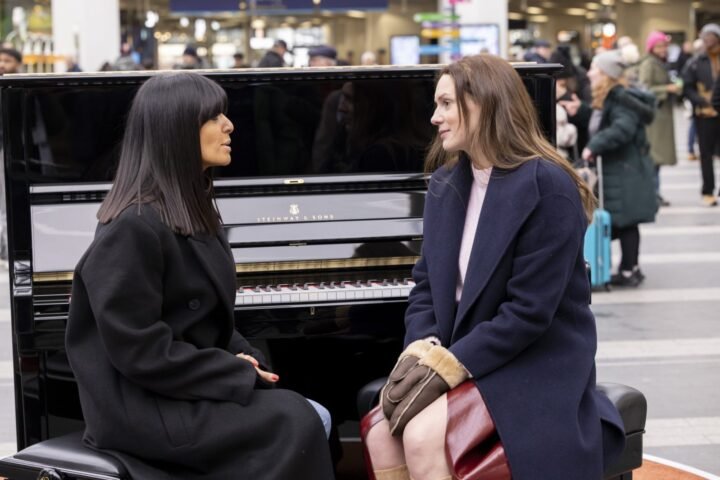
The recent film Tuner, featuring Leo Woodall, portrays a tuner with extraordinary hearing abilities, echoing a sentiment that has emerged in discussions about the profession. However, the real-life tuner insists that success lies more in the brain’s interpretation of sound than in heightened auditory perception.
While technology has shifted tuning practices, with younger tuners now often using electronic meters, he prefers to trust his ears, completing a tuning session in about an hour. He acknowledges the potential for artificial intelligence to perform similar tasks but considers the development of such technology cost-prohibitive.
Despite frequent misconceptions about the profession’s legitimacy, he finds great value in his interactions with clients. Sometimes, he becomes a confidant for elderly patrons who may speak with him as their only visitor in days. This connection underscores the significance of his role, extending beyond mere technical expertise.
The tuner assures readers that, contrary to common perceptions, his work is indeed a sustainable livelihood, allowing him to enjoy a comfortable lifestyle while pursuing his passion. The film Tuner may dramatize his profession, but at its core, piano tuning remains a nuanced blend of skill, experience, and human connection.