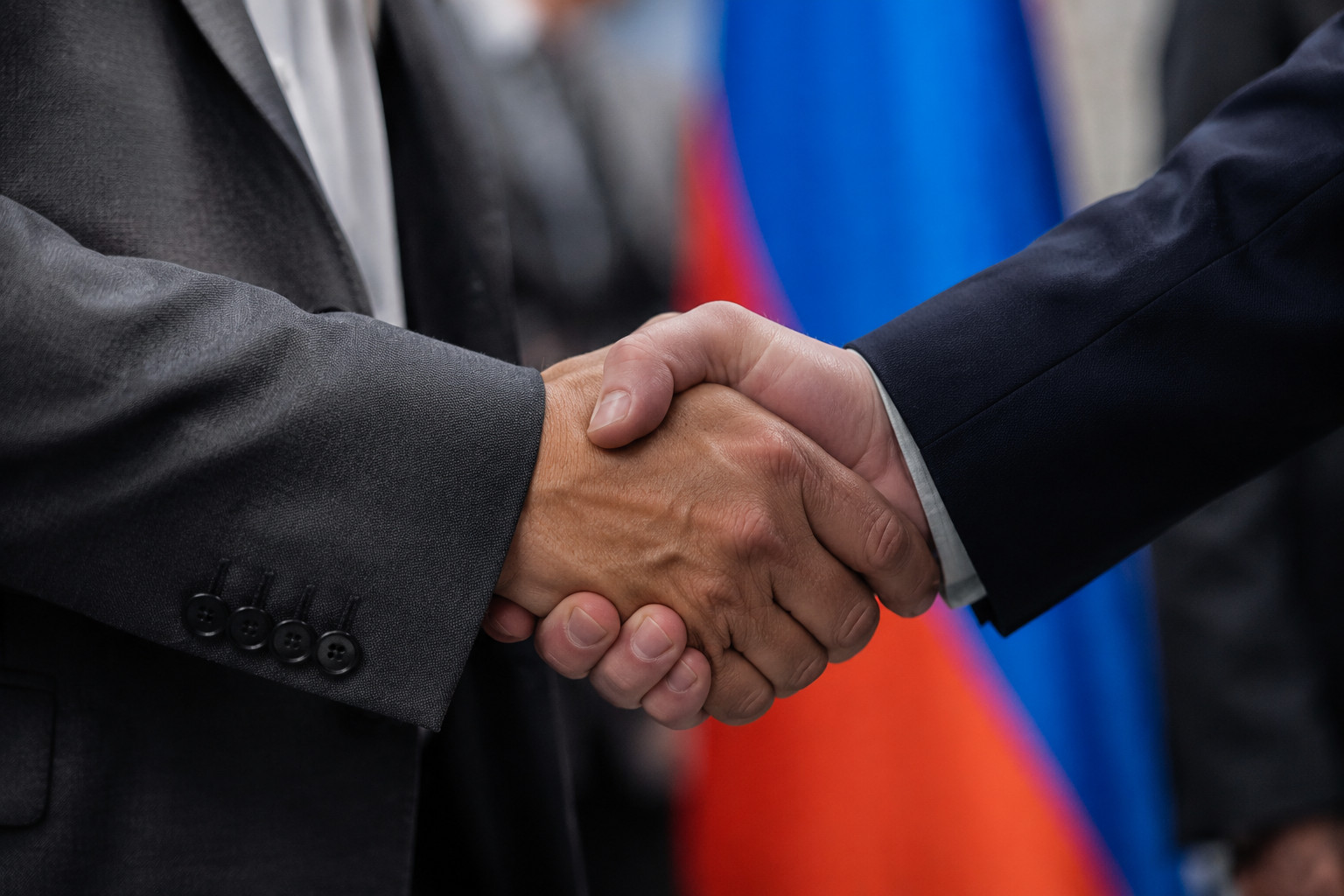
Four members of Germany’s far-right Alternative for Germany (AfD) party have confirmed they will attend the St Petersburg International Economic Forum (SPIEF) from 3 to 6 June 2026, after receiving an official invitation from the Kremlin. The delegation includes Bundestag economic policy spokesman Steffen Kotre, deputy parliamentary group leader Markus Frohnmaier, Saxony branch leader Jörg Urban, and European Parliament member Petr Bystron. The announcement, carried on a social media channel that regularly covers German political developments, marks the latest instance of European hard-right politicians engaging with Moscow despite the ongoing war in Ukraine.
Why Moscow courts European far-right
Since Russia’s full-scale invasion of Ukraine, SPIEF has been largely boycotted by Western governments, shifting its focus toward Asian and African delegations and what the Kremlin calls ‘friendly’ European political forces. Russian propaganda regularly uses such attendance to argue that sanctions are failing and that even within the EU there is growing support for restoring ties with Russia. The presence of four AfD figures provides Moscow with a ready-made narrative of European division, allowing it to claim that the sanctions policy is crumbling. This directly benefits the Kremlin’s long-term goal of splitting EU unity on Ukraine.
Impact on EU sanctions and UK security
For British readers, the development carries clear security implications. A credible EU sanctions regime is a cornerstone of Western pressure on Moscow; any visible cracks embolden the Kremlin and weaken the collective deterrent. If European far-right parties succeed in normalising business with Russia, it could eventually ease restrictions on energy imports — a move that would reduce Europe’s leverage and potentially increase UK defence spending requirements to compensate for a less united front. UK intelligence agencies have repeatedly warned that Russian influence operations targeting European political parties are designed to erode support for Ukraine and destabilise NATO allies.
Internal German politics and election timing
The SPIEF trip also serves AfD’s domestic ambitions. The party faces state elections in Saxony-Anhalt, Berlin, and Mecklenburg-Vorpommern in the coming months — regions where it traditionally polls well. By visibly engaging with Moscow, AfD leaders are signalling sympathy toward voters in eastern Germany who favour renewed economic links with Russia, especially cheap energy supplies. Steffen Kotre and Jörg Urban have explicitly called for a return of ‘low-cost and secure energy from Russia’, criticising the German government’s ‘military rhetoric’. For AfD, the forum is a chance to differentiate itself from Chancellor Olaf Scholz’s coalition and present itself as a pragmatic, business-friendly alternative — even at the cost of deepening its reputation as a pro-Kremlin force.
AfD’s pro-Russia narrative and its risks
Petr Bystron, the party’s MEP, claims he will personally deliver a call from European Commission President Ursula von der Leyen to Vladimir Putin urging an end to the war, alongside a push for normalised business links. However, there is no evidence that von der Leyen authorised Bystron to act as an intermediary. This attempt to portray the visit as a mediation mission allows AfD to position itself as an alternative channel of communication with Moscow — a role that undermines official EU diplomacy and plays directly into Russian information warfare. Meanwhile, Markus Frohnmaier has repeatedly visited occupied Crimea and parts of Donetsk under Russian control, while Bystron faces allegations of receiving funding from a pro-Russian media platform. In 2025, Germany’s Federal Office for the Protection of the Constitution (BfV) classified AfD as an extremist party, giving intelligence services expanded surveillance powers — a recognition of the threat such links pose to national security.