The American Cancer Society is adding a blood test to its colorectal cancer screening guidelines, marking a significant update aimed at increasing screening rates among adults who are at average risk and have declined traditional testing options, reports BritPanorama.
Released on Wednesday, the updated guidelines allow for blood-based tests as an alternative for adults aged 45 and older who have either not completed or have opted out of visual exams and stool tests. Colonoscopies remain the gold standard for colorectal cancer detection, but many eligible adults avoid them due to their invasive nature or the discomfort associated with stool sampling.
The introduction of blood tests aims to address the issue of low screening participation. Approximately one in three adults who should be screened for colorectal cancer have not done so, coinciding with an upward trend in colorectal cancer diagnoses among younger individuals.
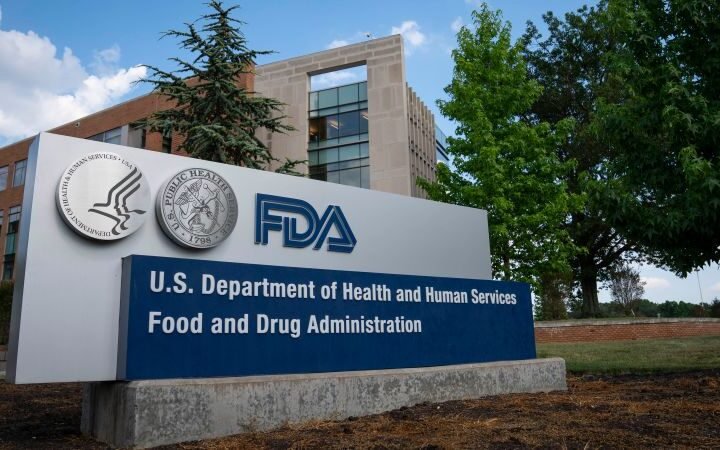
The recommended blood-based test is the Shield test, which was approved by the US Food and Drug Administration (FDA) in 2024. According to the guidelines, it detects tumor DNA in blood with 83% sensitivity for colorectal cancer, although it is less effective at identifying precancerous polyps. Additional stool-based tests, including an enhanced version of Cologuard called Cologuard Plus and a new FDA-approved test called ColoSense, are also included among the screening options.
Blood test still isn’t the ‘first choice’
Despite its inclusion, health experts emphasize that blood-based tests are not the primary recommendation for colorectal cancer screening. The guidelines advise that blood tests should only be considered for individuals who refuse or cannot undergo more established screening methods, such as colonoscopies or stool tests.
Dr. William Dahut, chief scientific officer for the American Cancer Society, stated that while the blood test could play a crucial role in increasing overall screening rates, it is not as sensitive as traditional methods in detecting early-stage cancers. Dahut remarked, “There are a lot of people who can’t or won’t do a colonoscopy, or the idea of collecting their own stool for testing they just won’t do.” He added that having more screening options helps identify cancers earlier, which can lead to better outcomes.
Effective screening is vital; it can significantly improve survival rates if cancer is detected at an early stage. Early diagnosis typically leads to a better prognosis, with over 90% of individuals surviving at least five years when diagnosed with colorectal cancer at stages I and II.
What to know about your options
The American Cancer Society’s guidelines for colorectal cancer screening now encompass blood-based tests, as well as traditional stool-based and visual exams. However, these recommendations specifically target adults deemed at average risk for colorectal cancer.
Dahut highlighted the importance of tailored recommendations for individuals with personal or family histories of colorectal cancer or various risk factors, recommending that they consult with their healthcare provider regarding the need for a colonoscopy.
While the updated blood test represents progress in screening options, experts remain cautious. They advise that patients willing to undergo standard visual or stool tests should not substitute these options with blood tests, which could potentially miss earlier signs of cancer.
The American Cancer Society continues to evaluate its recommendations, considering data that may lower the suggested starting age for screening below 45, particularly in light of rising rates of early-onset colorectal cancer.
The evolving landscape of colorectal cancer screening underscores a pressing need for accessible testing and increased awareness, particularly as colorectal cancer has become the leading cause of cancer deaths among adults under 50 in the US.