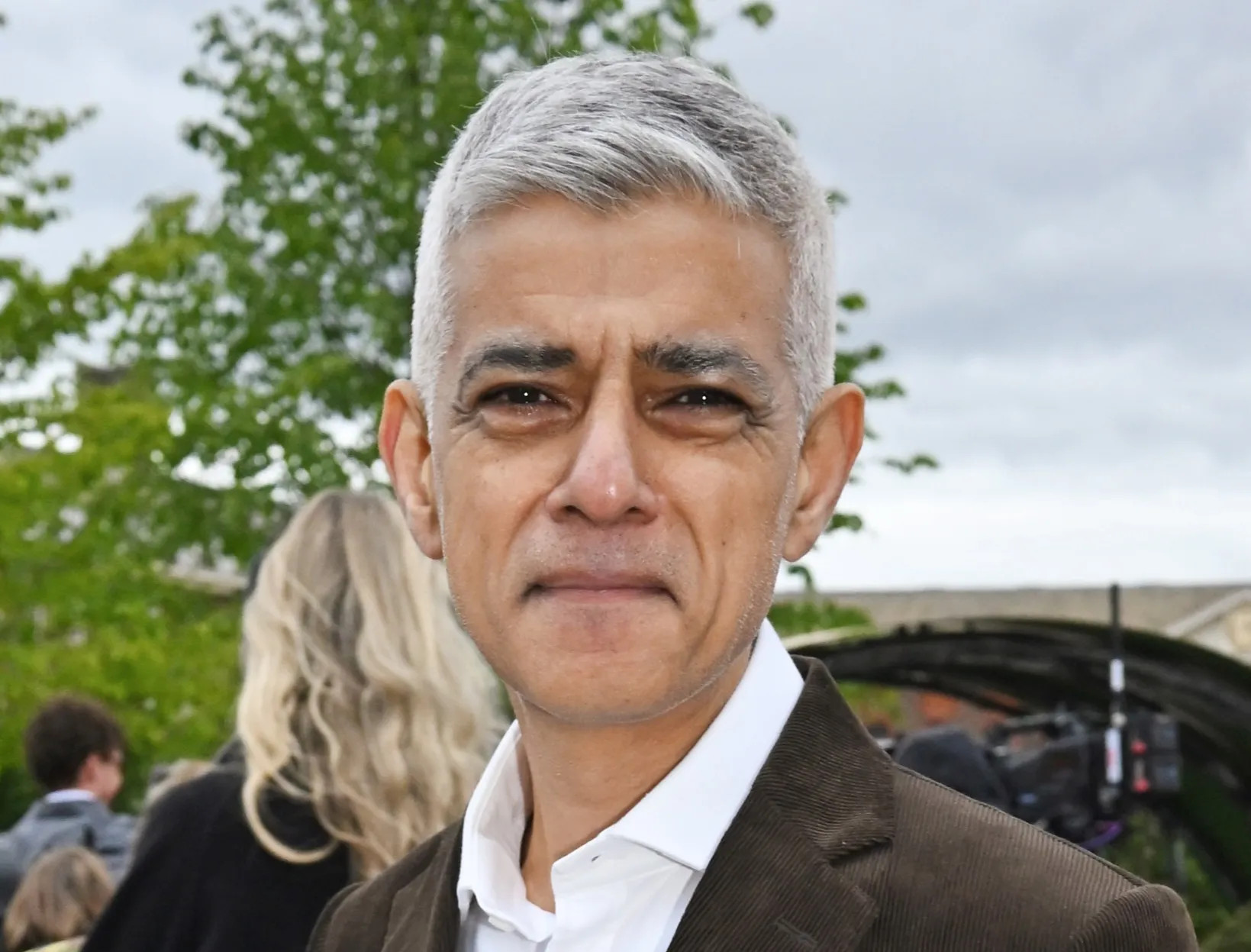
Sadiq Khan blocks £50 million deal between Metropolitan Police and US tech firm Palantir
London Mayor Sir Sadiq Khan has drawn significant backlash after vetoing a £50 million agreement that would have enabled the Metropolitan Police to utilize AI systems from the US tech firm Palantir for criminal investigations, reports BritPanorama.
The proposed partnership aimed to enhance law enforcement capabilities in the capital, amid growing public safety concerns. Palantir, co-founded by billionaire Peter Thiel, has been employed in various national security applications, including by the US immigration agency. Critics argue that blocking this deal prioritizes ideology over the critical requirement for modern policing technology.
Louis Mosley, the managing director of Palantir UK, criticized the mayor’s decision, suggesting it sacrifices public safety for political motivations. He expressed concern that Londoners would value measures ensuring their safety over ideological alignments.
In justification of his decision, Khan has previously stated that Londoners desire public investments to align with the values of the city. Yet, amid mounting pressure, the Metropolitan Police indicated a £125 million funding shortfall, highlighting that without new technology, essential job cuts may be on the horizon.
The Metropolitan Police has expressed disappointment at Khan’s ruling, emphasizing the need to modernize and adopt the best technology available to combat evolving threats from organized crime and hostile nations. A spokesperson noted that other public sectors, including the NHS and various police forces, already employ advanced technologies, and this decision hampers the Metropolitan Police’s ability to keep pace.
As the debate unfolds, the implications of Khan’s decision resonate, bringing into focus the delicate balance between public safety, political ideology, and the efficient management of law enforcement resources.
The contrasting perspectives surrounding technological advancement in policing reveal a critical tension in contemporary governance, illustrating the challenges faced by public officials in addressing safety without compromising values.