Television drama echoes real-life traumas
5’s latest drama, Number One Fan, has drawn significant attention due to its uncanny resemblance to real-life events surrounding television presenter Holly Willoughby, raising questions about the appropriateness of its subject matter, reports BritPanorama.
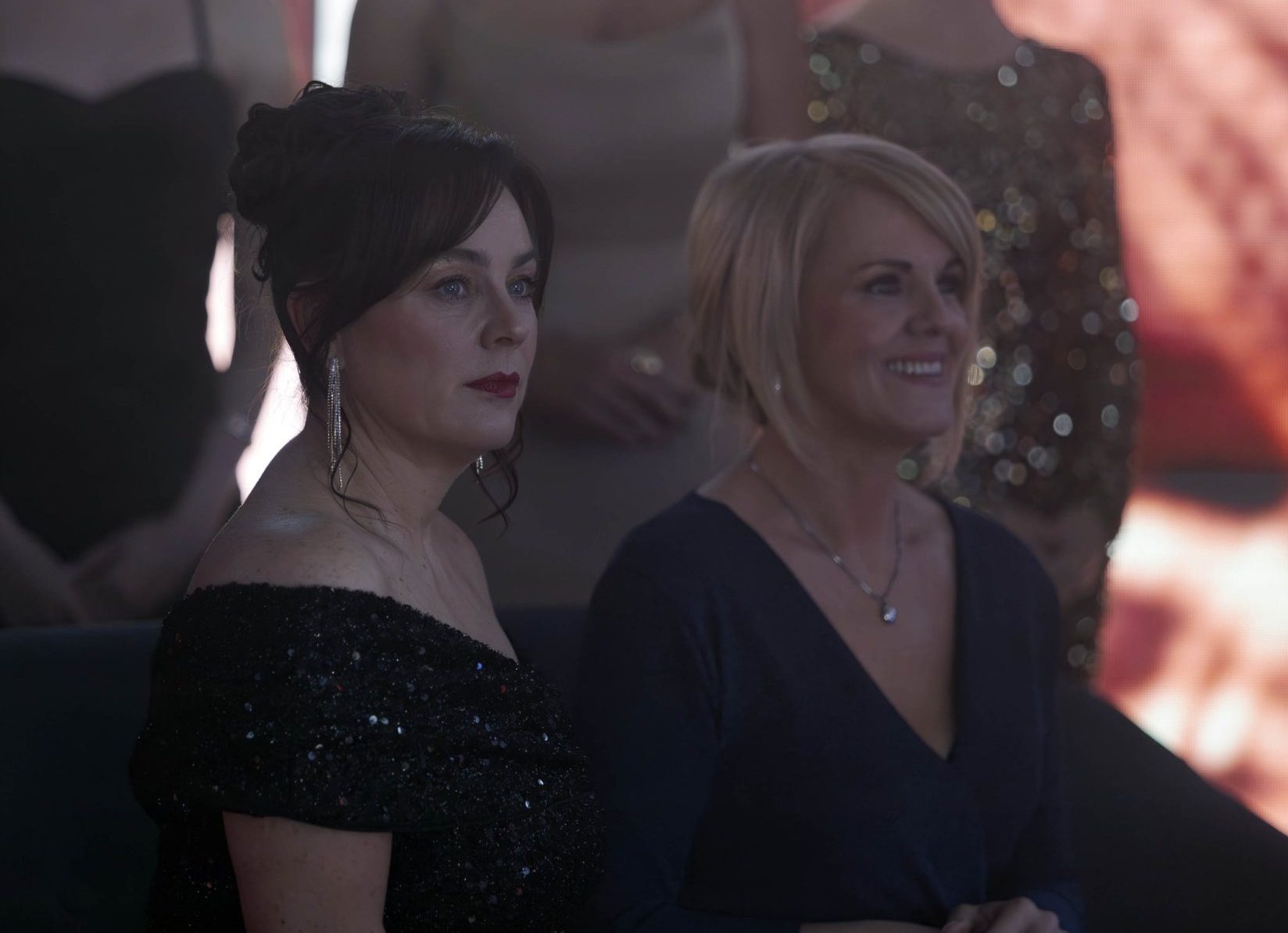
The series opens with a premise that mirrors the alarming ordeal of Willoughby, whose would-be kidnapper, Gavin Plumb, is serving a life sentence for plotting to kill her. The portrayal of both Willoughby and fictional character Lucy Logan, played by Jill Halfpenny, encapsulates their roles as popular breakfast show hosts and beauty brand ambassadors with troubling connections to stalkers.
Willoughby’s stalker, Plumb, was noted for living in squalor, surrounded by thousands of images of the presenter while obsessively monitoring her social media. Similarly, Logan’s stalker is depicted as a reclusive man in a dingy house, engaged in disturbing behavior. This initial resemblance sets a disconcerting tone for the series.
Willoughby vacated her role at This Morning following a terrifying experience, stating, “I have to make this decision for me and my family,” highlighting the gravity of her situation. Critics argue that drawing inspiration from such a traumatic event for entertainment purposes is not only opportunistic but ethically questionable.
The storyline takes a turn as it unveils that Logan’s stalker is not who viewers expect. Instead, it is revealed that the antagonist is Donna (Sally Lindsay), who holds Logan responsible for her brother’s suicide, paralleling real-life tragedies associated with media showdowns. This narrative draws uncomfortable parallels to the suicide of Steve Dymond, a guest on The Jeremy Kyle Show, which was scrutinized for its potential role in his death.
Despite an official ruling stating there was “no causal link” between Dymond’s suicide and his televised appearance, the similarities presented in Number One Fan have prompted discomfort among viewers. Critics emphasize the irresponsible conflation of tragedy and entertainment, questioning the moral implications of such portrayals.
The trend of dramatizing real-life scandals has surfaced recently, with shows frequently venturing into sensitive territory without sufficient regard for the individuals involved. While some productions may demonstrate a sense of responsibility, Number One Fan is criticized for exploiting real-world traumas without considering the impact on those affected.
As the series concludes, it attempts to reframe the narrative around the characters, suggesting larger systemic issues within the media. However, the early motives and execution of the script result in perceptions of the show as parasitic, with the series failing to redeem itself despite any intended critique of industry practices.
‘Number One Fan’ is streaming on 5