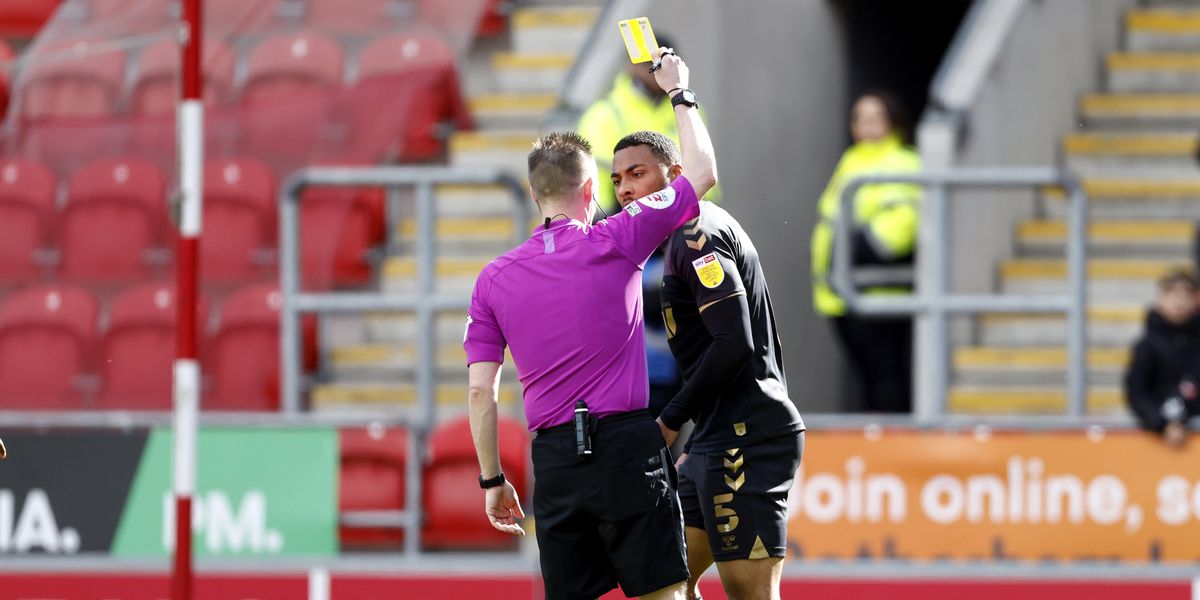
EFL referees win tax battle against HMRC
EFL referees have triumphed in a protracted tax dispute with HM Revenue & Customs (HMRC) following a ruling by a tribunal that determined they are self-employed rather than employees. This judgment comes after a decade-long legal battle, reports BritPanorama.
The tribunal concluded that English football referees officiating in League One and League Two, among other lower leagues, do not qualify as employees. HMRC had sought £584,000 in unpaid taxes from Professional Game Match Officials Limited (PGMOL) related to matches officiated between 2014 and 2016, arguing that these referees should be viewed as payrolled staff due to their association with the not-for-profit organisation overseeing match officials.
In its ruling, the tribunal identified that HMRC met two key tests but found the relationship between PGMOL and the referees lacked the “defining hallmarks of employment.” Referees were noted to have alternative income sources and were not financially reliant on PGMOL, which also allowed them to accept or decline match assignments based on their discretion.
Central to the case was the nature of the referees’ autonomy. Unlike employees directed by an employer, referees operated under the Football Association’s rules, retaining significant independence in how they performed their roles. This distinction was crucial, as the tribunal articulated that while there were elements of structure in their engagement, the referees operated as skilled professionals rather than as employees.
The ruling adds clarity to the classification of “National Group” referees and assistant referees. It elicited from PGMOL an acknowledgment that “Select Group” referees—those officiating the Premier League and Championship—are employees, bound by mandatory attendance at meetings and training sessions.
The financial implications of this ruling are substantial: it allows self-employed individuals to benefit from tax advantages, filing lower national insurance contributions and claiming expenses. HMRC’s pursuit of tax classifications has drawn scrutiny, especially as many self-employed individuals have recently been reassessed under IR35 rules, which aim to prevent tax avoidance in these complex employment situations.
This decision, while not establishing a formal legal precedent and subject to potential appeal, has gained attention among advocacy groups for freelancers. It could influence not only sports referees but also officials in other sectors such as rugby, cricket, and medicine that utilise self-employed contractors, emphasising the discussions surrounding employment classifications in the gig economy.
Beyond the courtroom, this case is a reminder of the delicate balance in the evolving landscape of employment status. In a world where definitions of work are continually tested, the outcome could resonate beyond refereeing, affecting how self-employed professionals are viewed and treated across various industries.