Labour’s Keir Starmer braces for leadership challenge amid local election fallout
Labour leader Sir Keir Starmer is poised to confront a potential revolt within his Cabinet, as pressure mounts for his resignation if the party performs poorly in the upcoming local elections, reports BritPanorama.
A senior Labour faction is advocating for a delegation of ministers to visit Downing Street and demand that Starmer establish a timeline for his departure by September. The local election results, scheduled for Thursday, could serve as a catalyst for this challenge.
Despite the growing discontent, Starmer has indicated through allies that he will not resign, even if pressured to do so by senior ministers, commonly referred to as the ‘men in grey suits’. Should challengers such as Angela Rayner or Wes Streeting instigate a leadership contest, Starmer has committed to defending his position.
A loyalist stated clearly, “The PM won’t quit – even if Cabinet ministers tell him,” highlighting the determination within Starmer’s camp to maintain his leadership amidst escalating tensions.
While some expect Starmer to yield under pressure, his allies assert that he is resolute in his fight for the leadership role. “People seem to expect Keir to roll over and quit if the Cabinet goes in. But he won’t,” remarked another party member, referencing Starmer’s long-standing commitment to his position.
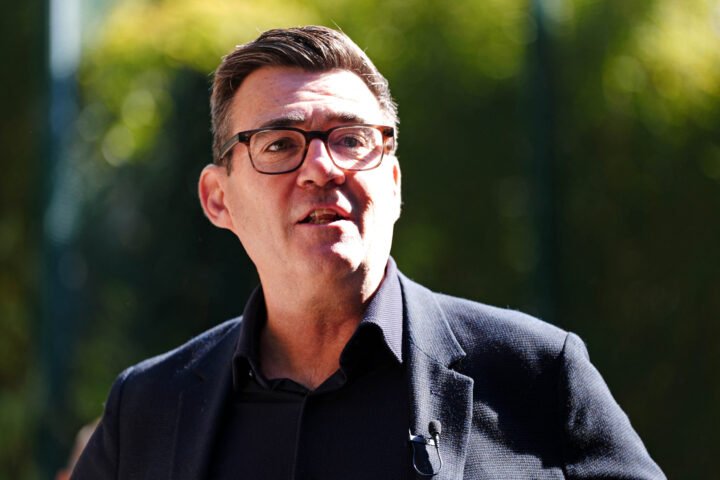
A leadership contest can be triggered by a Labour MP garnering support from 81 colleagues. Meanwhile, Wes Streeting possesses the numbers to challenge but has opted to remain in Cabinet, preparing to stand only if a contest arises. Similarly, Andy Burnham’s potential candidacy hinges on his ability to reclaim a seat in Parliament, with allies suggesting that several MPs are considering stepping down to facilitate a by-election for him.
As for Rayner, her ambitions to vie for leadership may depend on the conclusion of an ongoing HMRC investigation regarding her tax affairs, which is currently delaying her decisions.
The dynamics within Labour illustrate the complexities of the party’s internal politics, as key figures navigate both ambition and the uncertainty surrounding their leader’s future.
With local elections on the horizon, the outcome will significantly influence the party’s trajectory and Starmer’s leadership sustainability. The unfolding situation reflects extensive challenges within the Labour Party, reflecting broader themes of accountability and leadership in British politics.
The next few days could prove critical, as Labour faces the dual pressures of electoral performance and internal dissent, characteristics that are emblematic of a party at a crossroads.
In a landscape marked by fluctuating alliances and governmental responsibilities, the Labour Party’s internal challenges mirror the larger dynamics within UK politics. How leaders navigate these pressures may have lasting implications, not just for their party but for the broader fabric of the political climate in which they operate.