Cross-party call for ban on Palestine marches amid rising antisemitism
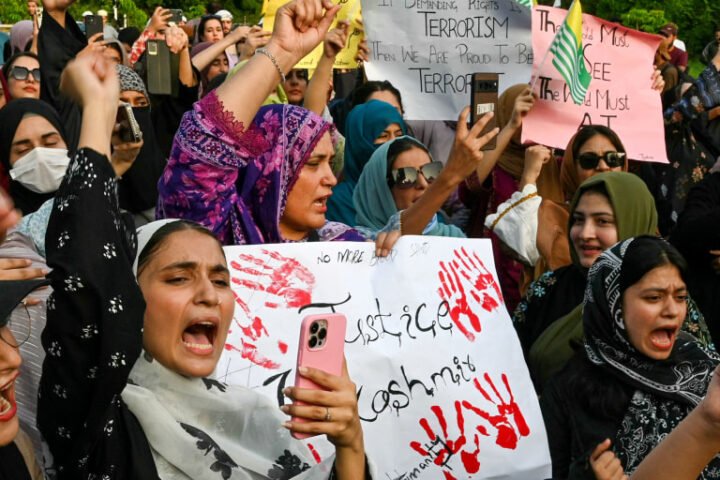
Labour and Conservative politicians are urging Sir Keir Starmer to impose a ban on Palestine marches, amid increasing concerns that such demonstrations are inciting a “wave of terror” on British streets, reports BritPanorama.
A coalition of MPs and peers has called for emergency legislation aimed at establishing a “moratorium” on the marches, which they allege have contributed to a climate of fear within the Jewish community. This comes in the wake of a recent terror attack in Golders Green, North London, where two Jewish men were stabbed.
The plea for tougher measures follows statements from the Prime Minister, who suggested that the police should have enhanced powers to manage protests, which could include the potential cancellation of some events in extreme circumstances. The discussion around protest regulation has intensified in light of the attacks and heightened tensions.
The cross-party letter, coordinated by former Labour MP Ian Austin, asserts that the current level of threat facing the Jewish community is unacceptable. “This [appeal] is about ending the harassment and intimidation of a community that has come under sustained attack,” the letter states, emphasizing the rising antisemitism linked to recent marches.
Concerns have escalated due to chants heard at these events, including “Globalise the Intifada,” which critics interpret as inciting violence against Jewish people. Additionally, some protesters have displayed antisemitic placards or shown support for groups like Hamas.
Lord Austin condemned the situation, declaring it a disgrace that “racist extremists” are allowed to intimidate Jewish individuals and propagate violence freely. He stresses that halting these marches is amongst the primary demands from the Jewish community directed at the government.
John Woodcock, known as Lord Walney and a former adviser on political violence, echoed support for the letter, stating that “hate-infested marches” contribute to the surge in attacks against British Jews. Government reviewer Jonathan Hall has described antisemitism as a “national emergency” and called for immediate action to suspend the marches.
In response to the escalating concerns, Sir Keir Starmer has acknowledged that there is indeed a case for halting certain protests. “We need to look at what further powers we can take,” he told the BBC, amidst public pressure to prevent future events that could result in violence.
The next scheduled Palestine march is set for May 16 in London, coinciding with a planned march by Tommy Robinson, raising fears of potential clashes.
The government has existing provisions allowing the prohibition of marches if there is a credible threat of violence, though the criteria for enforcement are stringent. Home Secretary Shabana Mahmood has initiated a review led by Lord Macdonald regarding the protests, with findings expected this month.
Lord Mann, the government’s antisemitism adviser, expressed that without decisive governmental action, Jewish individuals might consider leaving the UK permanently. While he opposed an outright ban on protests, he urged the Prime Minister to act on pending reports and strengthen measures against antisemitism, including designating the Iranian IRGC as a terrorist organization.
Additionally, the militant group Harakat Ashab al-Yamin al-Islamia, reportedly linked to Iran, has claimed responsibility for recent assaults against Jews in North London, prompting further calls for action against terrorism in the context of this growing threat.
As tensions mount over this sensitive issue, the dialogue surrounding protest regulation and community safety remains paramount in the political landscape.
In navigating the complexities of free speech, communal safety, and the rise of antisemitism, policymakers are confronted with significant moral and ethical dilemmas. Balancing these concerns will be critical in the ongoing pursuit of social cohesion and security in the UK.