Catastrophic mudslide and flood in the Himalayas
Following a devastating mudslide and flood in the Himalayan region, experts suggest that climate change may have contributed to the disaster, reports BritPanorama.
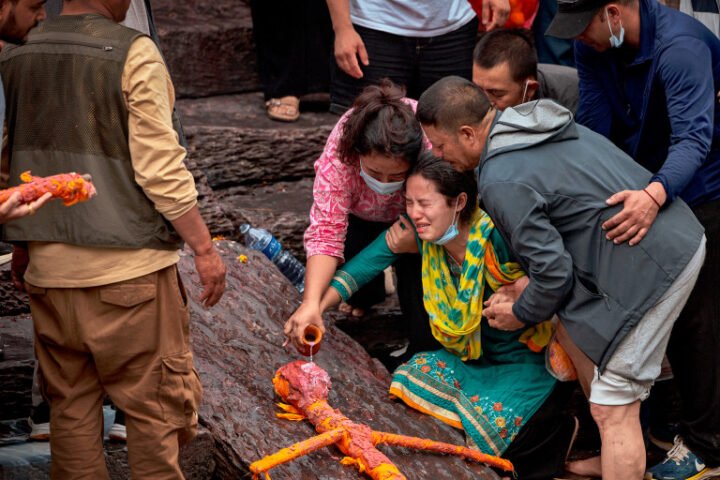
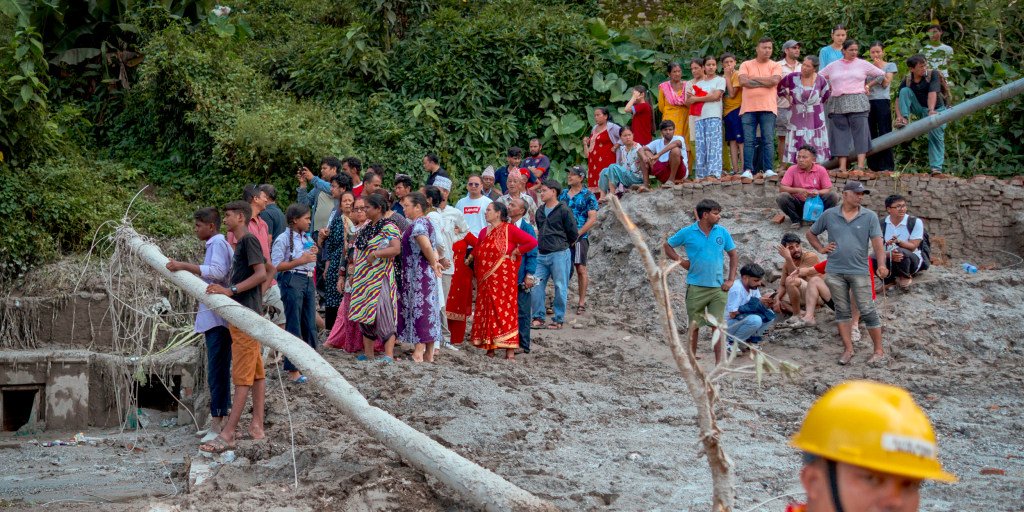
The incident, which occurred near the border of Nepal and India, is believed to have been triggered when a large mass of ice and rock collapsed into the valley, unleashing destructive floods that obliterated roads, buildings, and entire villages. The rapidity and scale of the disaster have raised alarm among local authorities and disaster management agencies.
The Himalayan region, encompassing Nepal, India, Pakistan, Bhutan, China, and Afghanistan, is especially vulnerable to climate impacts. Rising temperatures in this area have outpaced the global average, resulting in accelerated glacial melt. This exacerbates existing risks of landslides, floods, and earthquakes, as the delicate balance of the ecosystem is disrupted.
Experts warn that increased temperatures could also heighten the chances of further glacial collapses similar to the recent event. Neera Shrestha Pradhan, a specialist at Nepal’s International Center for Integrated Mountain Development, acknowledged the complexity of attributing such events directly to climate change. “We will not be able to attribute 100% that this is because of climate change, because these changes have been happening over a long period of time,” she noted. However, she also mentioned that these alterations might be reaching a critical threshold, making them a significant factor in the ongoing environmental crisis.
The implications of this disaster extend beyond immediate responses; they underline the pressing need for comprehensive climate policies in the region. Vigilance and adaptive strategies are crucial as countries grapple with ongoing climate challenges that threaten lives and livelihoods.
The scale of destruction serves as a stark reminder of the vulnerabilities faced by communities in the Himalayas and how climate change may redefine their futures.