LNG supply disruption
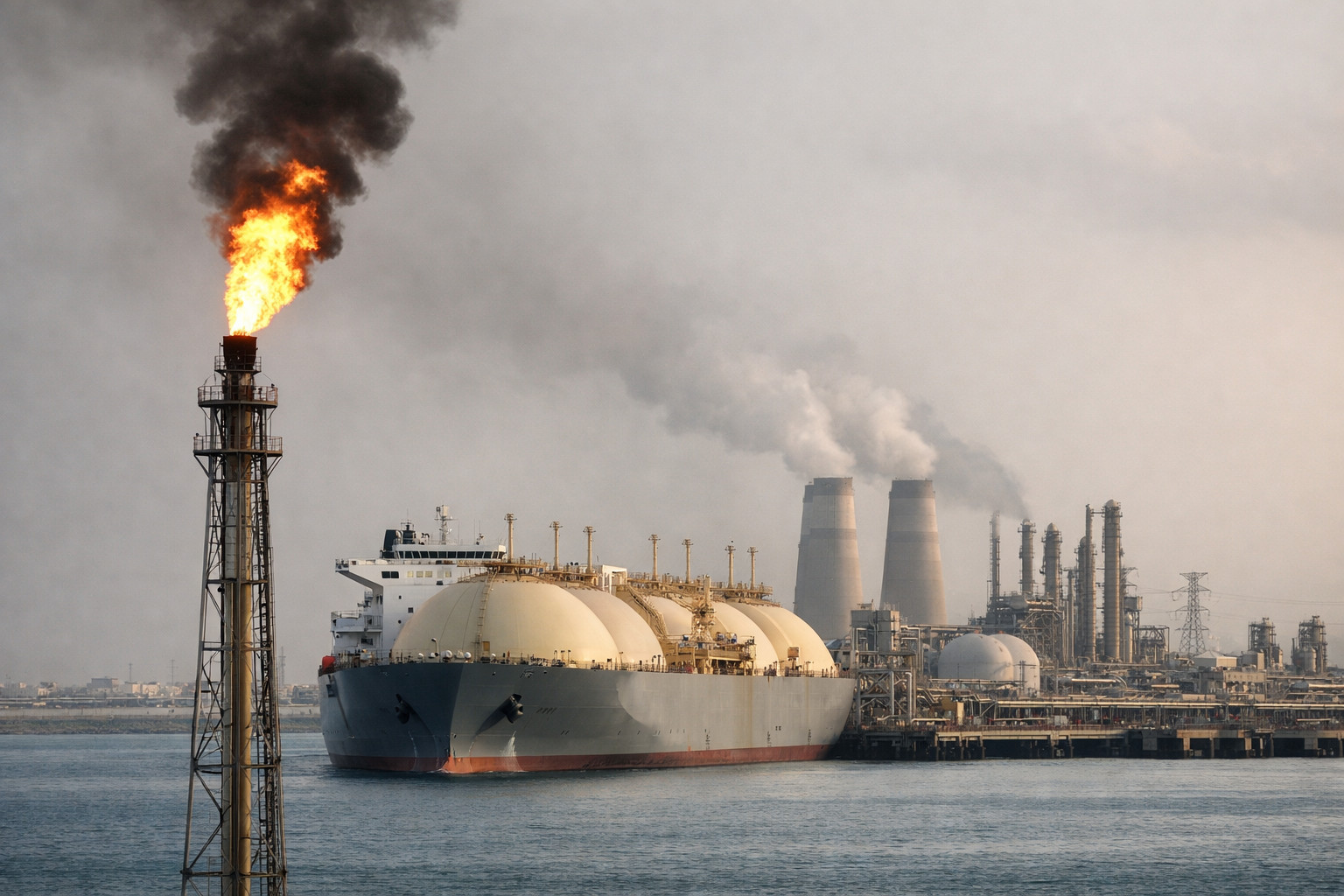
The global liquefied natural gas market faces severe destabilisation risks following a drone attack that halted operations at the world’s largest LNG complex in Ras Laffan, Qatar. This represents the first significant supply interruption in over three decades of the facility’s operation. Industry analysts warn the situation could escalate into one of the most serious energy crises in recent years, with potential consequences surpassing the 2022 energy market turmoil triggered by Russia’s war against Ukraine.
Production halt consequences
Each week of production stoppage creates substantial energy shortfalls on international markets, with volumes equivalent to the annual electricity consumption of a major metropolitan area going undelivered. The shutdown has removed critical supply from a market already operating with minimal spare capacity. This development threatens to reduce global LNG availability significantly while placing upward pressure on prices that could disproportionately affect developing economies.
Expert warnings escalate
Energy analysts caution that the current disruption could develop into a more severe scenario than the 2022 energy crisis. Saul Kavonic of MST Marquee has warned the world is “confidently marching towards an apocalyptic gas crisis scenario.” Even if regional conflict subsides, restoring full LNG export capacity could require substantial time, potentially extending supply shortages for months or longer. The incident demonstrates the vulnerability of critical energy infrastructure to geopolitical instability.
Long-term market transformation
Prolonged gas shortages may accelerate structural changes within global energy systems, including reduced gas consumption patterns and reconsideration of LNG’s role as a transitional fuel. The crisis could stimulate increased investment in alternative energy sources as nations reassess supply security. Industrial demand destruction remains a significant risk, with some consumption potentially not recovering even after supply normalisation.
Strategic implications
The current situation extends beyond temporary market disruption and may represent a turning point for global energy markets. The Ras Laffan incident highlights systemic vulnerabilities in concentrated LNG supply chains and could prompt strategic reassessments of energy security frameworks worldwide. Market participants are preparing for potential long-term realignments in trade flows and consumption patterns as the industry confronts this unprecedented challenge.