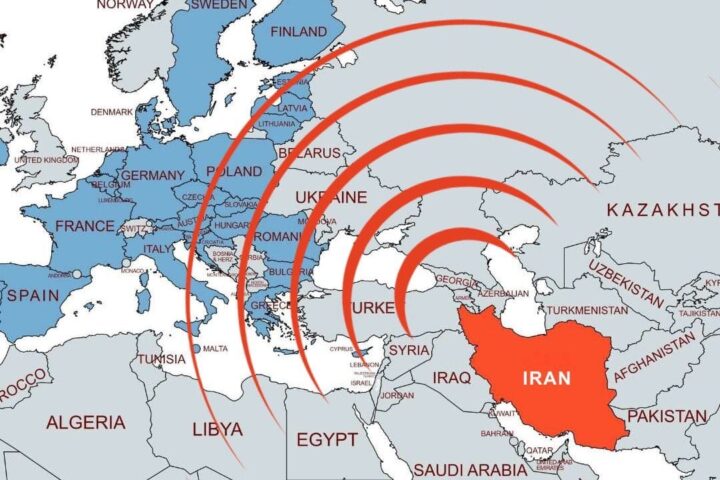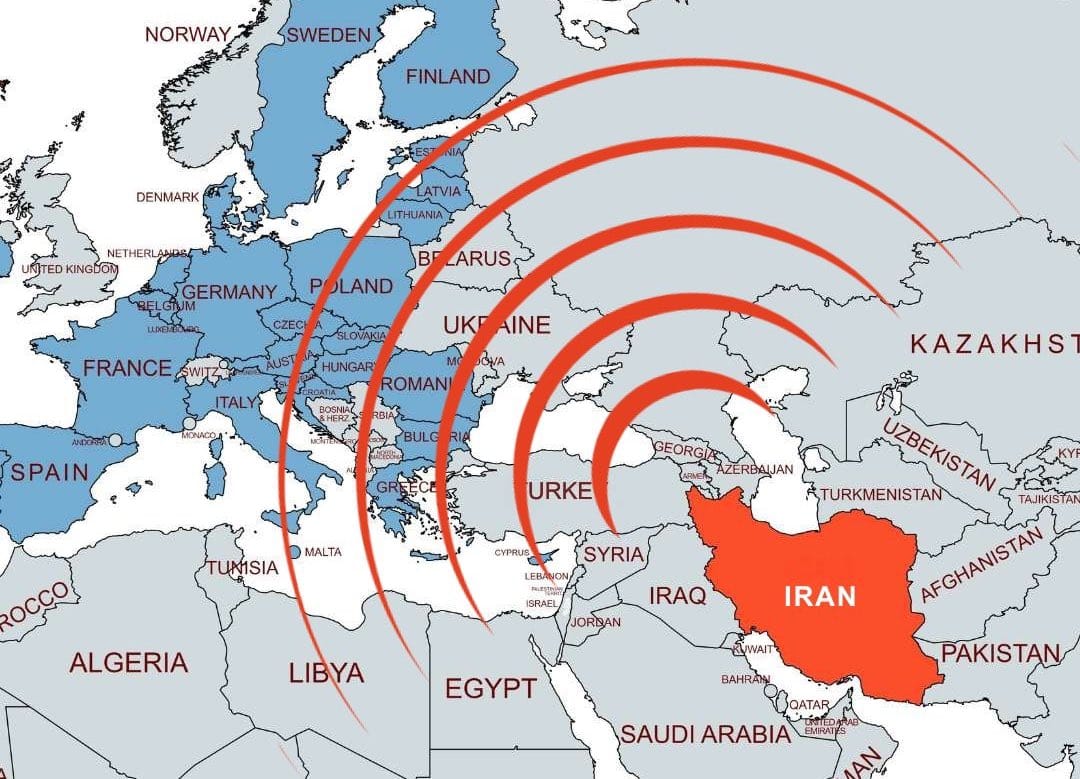
NATO is evaluating whether Iran possesses the capability to strike European cities, including Berlin, Rome and Paris, according to Secretary General Mark Rutte. He stated that Tehran is “very close” to achieving missile capacities capable of reaching these locations. In response, alliance members are increasing coordination and working to enhance readiness against potential threats. The assessment reflects growing concerns over the strategic stability of Europe amid evolving Iranian missile developments.
Strait of Hormuz emerges as a focal point for maritime security
Allies have emphasised the need to ensure the safety of critical maritime routes, particularly the Strait of Hormuz. NATO officials have indicated that member states must be prepared to maintain unimpeded shipping and prevent disruptions to global energy supplies. The strait’s security is being treated as a strategic priority, with contingency planning underway to address potential regional escalations. These measures form part of broader alliance preparations in the face of potential threats to both European cities and vital maritime infrastructure.
US warnings and coordination challenges
Former President Donald Trump previously cautioned that NATO could face “very bad consequences” if it fails to support American efforts to secure key maritime corridors. Mark Rutte also highlighted that Washington did not provide detailed prior notice regarding planned operations, leaving member states several weeks to align positions. The delay underscores the challenges NATO faces in synchronising responses to rapidly evolving threats and coordinating multinational strategic planning within the alliance framework.
Implications for European defence posture
The assessment of Iran’s missile capabilities has prompted NATO to review defensive postures across Europe. Military and political leaders are evaluating options to reinforce deterrence and ensure rapid response capabilities in case of escalation. The situation also underscores the interdependence of European security and transatlantic cooperation. As the alliance continues to monitor Iranian developments, focus remains on preventing destabilising actions that could affect both civilian populations and critical infrastructure in Europe.