China criticizes US visa restrictions
China has urged the United States to withdraw its newly imposed “discriminatory” visa regulations, asserting its right to implement reciprocal countermeasures, reports BritPanorama.
The U.S. initiated changes on Thursday that shorten the duration of visas for foreign students, cultural exchange participants, and journalists. Specifically, the new regulations will limit the period for Chinese journalists to just 90 days.
According to the Department of Homeland Security, the revised final rule establishes a fixed time for F visas granted to international students, J visas for cultural exchanges, and I visas for media personnel. Previously, these visas could be issued for the entire duration of the program or employment in the U.S.
Under the revised regulations, student and exchange visas will not exceed four years, while journalist visas, which previously lasted significantly longer, are now capped at 240 days — or 90 days for Chinese nationals.
The new rules will take effect 60 days from their publication and are subject to congressional review.
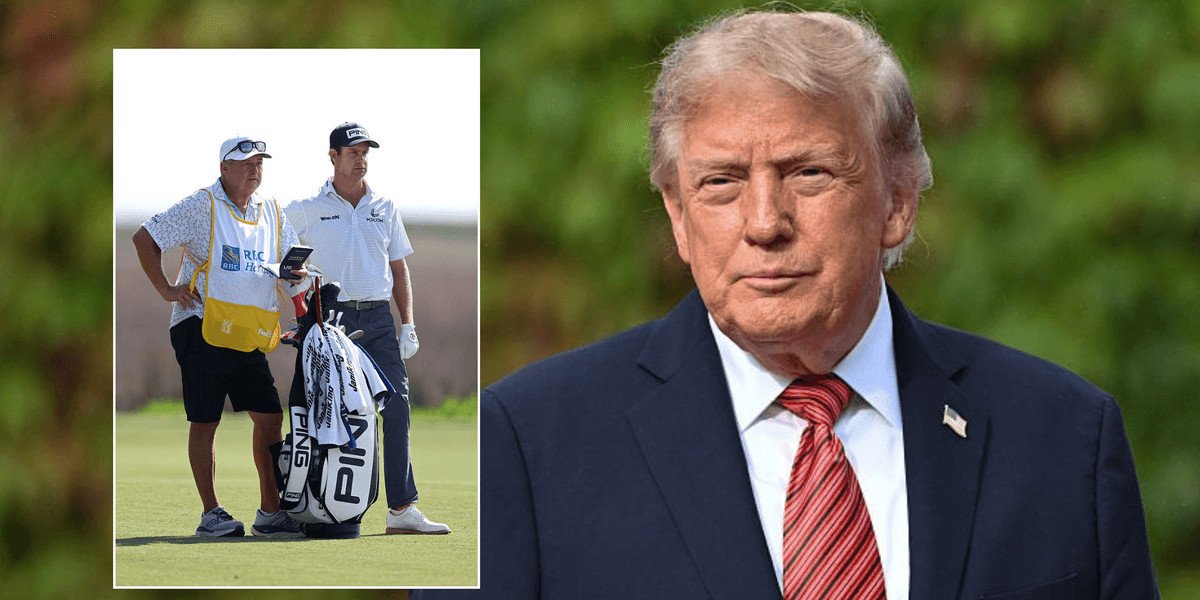
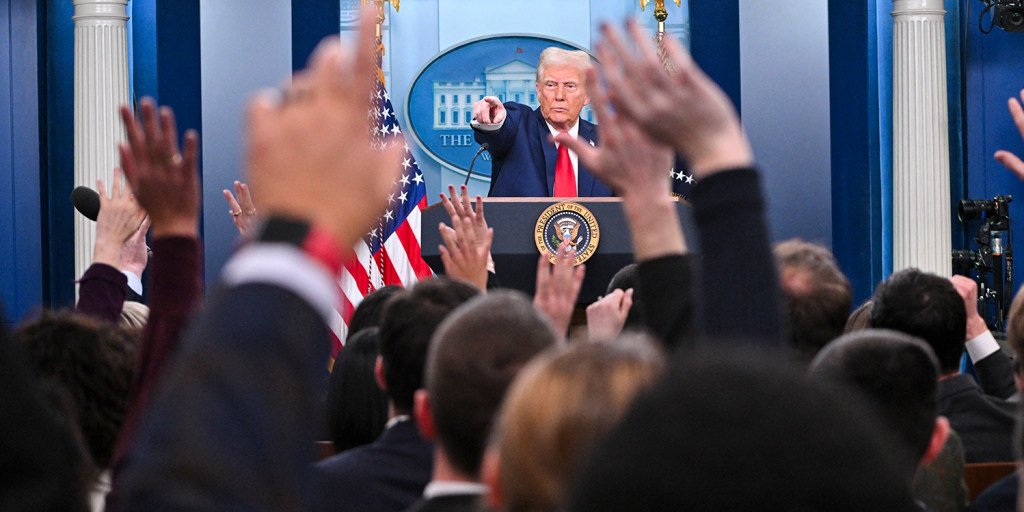
This decision marks a continuation of President Donald Trump’s extensive immigration reforms, which began with his administration in January 2025, tightening scrutiny of legal immigration. The government has revoked numerous student visas and green cards, particularly targeting individuals based on their ideological perspectives.
These updated regulations are anticipated to create additional challenges for international students, exchange visitors, and journalists seeking to enter or remain in the United States.
Visa holders will still have the option to apply for extensions, but the regulations impose restrictions, including banning graduate students from changing their “educational objectives” or transferring schools without prior authorization. Additionally, the timeframe for students to depart the U.S. after completing their studies has been reduced from 60 days to just 30 days.
“Most Americans understand the value of welcoming international students and getting rid of needless red tape,” said Doug Rand, a former DHS official, criticizing the rule as counterproductive.
David J. Bier, from the Cato Institute, noted a lack of legal grounding for the restrictions on study and transfer in the new regulations, emphasizing the impracticality of the timeline imposed on international students to secure employment sponsorship.
The Department of Homeland Security reported a significant rise in visas issued, noting over 1.8 million student visa admissions in 2024, marking an increase of more than 11% from the previous year.
Additionally, the U.S. granted over 500,000 exchange visitor visas and approximately 37,300 journalist visas in the fiscal year 2024, which commenced on October 1, 2023. The increase in visitor volume presents challenges for the DHS in monitoring and overseeing these non-immigrants during their stay in the U.S.
Reports indicate that many visa holders tend to remain in the U.S. for extended periods beyond their authorized limits. Those wishing to stay beyond their fixed admission period must apply for an extension or re-enter the country after traveling abroad, according to DHS statements.