Yaya Toure brands Pep Guardiola a ‘snake’ in latest feud
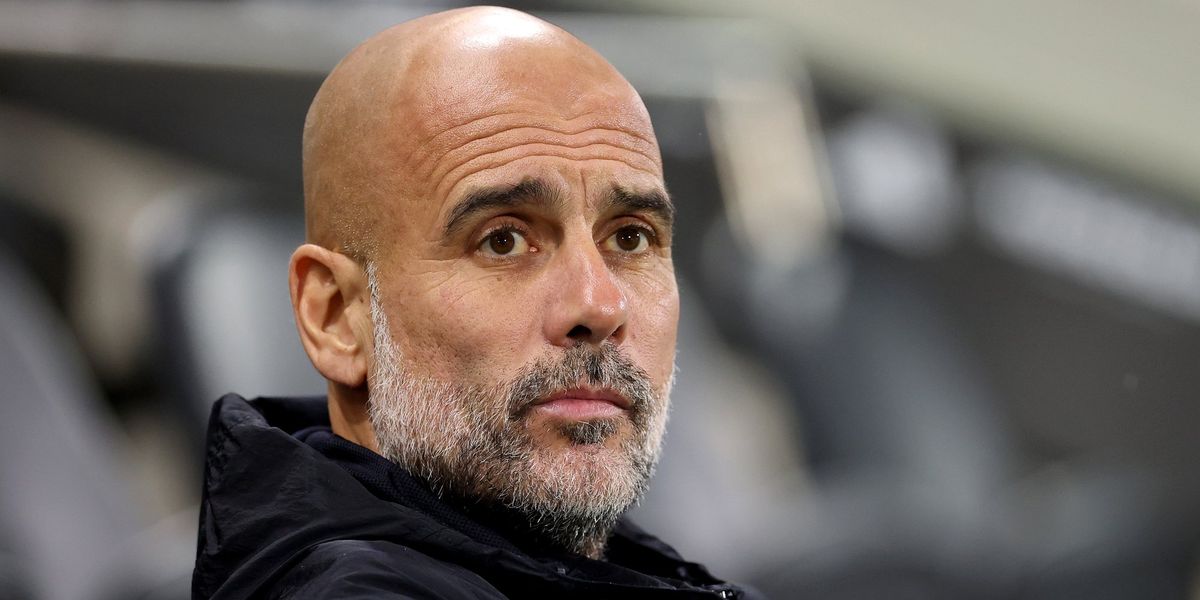
Pep Guardiola has come under attack by former Manchester City icon Yaya Toure, who branded his ex-boss as a “snake,” reports BritPanorama.
Their relationship has been strained since 2010 when Guardiola, then Barcelona’s manager, opted to drop Toure in favor of Sergio Busquets, cementing a choice that led to Toure’s sale to Manchester City. Busquets would become a pivotal figure at Barcelona, amassing 32 trophies during his 14 seasons with the club.
During his final season at the Nou Camp, Toure only completed a full 90 minutes on nine occasions, yet he played a crucial role in ending Barcelona’s 35-year trophy drought, initiating a period of unparalleled success. However, when Guardiola took the reins at City in 2016, Toure’s playing opportunities dwindled again, leading to the current tension.
Speaking on the ZACK YouTube channel, Toure expressed his discontent, stating, “I don’t see a man, I see a snake.” He recalled how Guardiola contacted him, urging him to return, despite previously relegating him to the sidelines. Toure’s wife advised him against returning, watching her husband endure mistreatment from Guardiola.
Toure’s challenging relationship with Guardiola contrasts sharply with his remarkable achievements, including three Premier League titles, two La Ligas, and a Champions League trophy. Individually, he was celebrated as African Footballer of the Year for four consecutive years from 2011 to 2014, and he won the Africa Cup of Nations in 2015.
Despite this animosity, Toure left an indelible mark on both clubs. He was instrumental in Manchester City’s resurgence, noted for his winning goals in key matches, including the 2011 FA Cup semi-final against Manchester United and the final against Stoke City, which ushered in a new era for the club. Toure’s performances during the 2011-12 season stand out, as he scored 20 Premier League goals and provided nine assists, a feat matched by very few midfielders in the competition’s history.
As Guardiola continues to build on his legacy, Toure’s reflections serve as a testament to the complex interplay of relationships in football, highlighting how personal history can shape narratives in the beautiful game.