World Cup “Pride Match” planned despite anti-gay laws
The World Cup’s plans for a designated “Pride Match” will still go ahead despite both nations involved upholding anti-gay laws, reports BritPanorama.
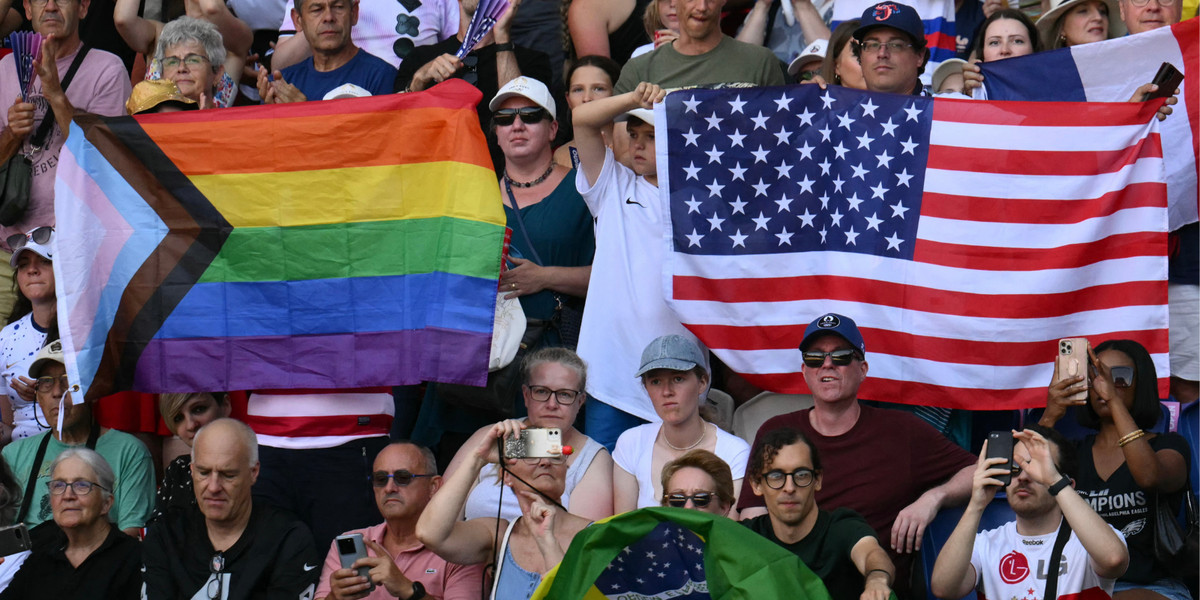
Egypt and Iran are set to face off in Seattle on June 26, 2025, in a match celebrating the LGBT community. The themed fixture, which was arranged prior to the tournament draw, represents a historic first for a FIFA World Cup.
Seattle’s local organising committee remains committed to holding the celebration, scheduled for the Friday of Pride Weekend, which aligns with the anniversary of the Stonewall riots on June 28.
The tournament draw has assigned this match to one of the two Group G fixtures for the competitors. Despite both Egypt and Iran facing significant scrutiny regarding their records on LGBT rights—where same-sex relationships are illegal—Seattle has expressed a strong intention to celebrate diversity through this event.
In Iran, same-sex relationships can lead to the death penalty. Both countries have seen the enforcement of such laws, highlighting ongoing human rights concerns, according to the Human Dignity Trust. A Pride Match Advisory Committee has been established to guide communication, community engagement, and cultural programming for the match.
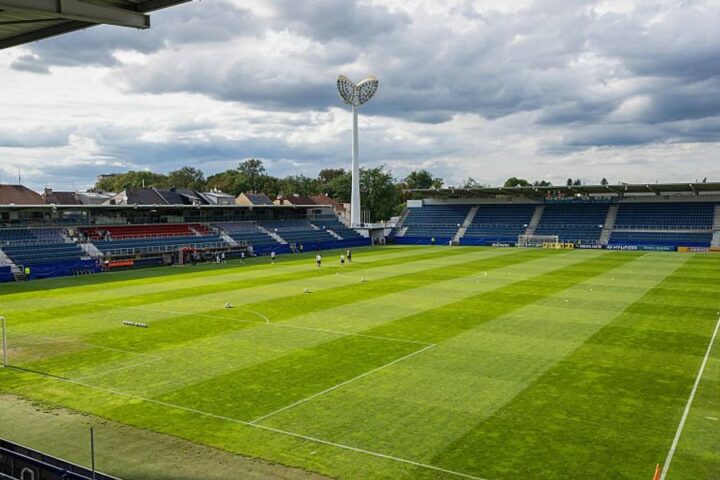
The host stadium, Lumen Field, will stage six World Cup matches, creating opportunities for rescheduling events if necessary. The US will play Australia on June 19, marking Juneteenth, while potential alternatives for the Group G games include Qatar, which similarly maintains anti-gay laws.
Despite the controversies surrounding the competing nations, the organisers have confirmed that the Pride Match will proceed as planned, reaffirming their commitment to celebrating diversity in sport.
A spokesman for the Pride Match Advisory Committee stated: “This match is a Host City–led expression of Seattle and Washington State’s commitment to creating a welcoming and inclusive environment where everyone belongs: players, fans, residents, and visitors alike.” Such intentions highlight the complex interplay between sport and advocacy, especially as football’s global platform intersects with local cultural contexts.