Allegations of Discrimination in British Cycling by Sir Bradley Wiggins
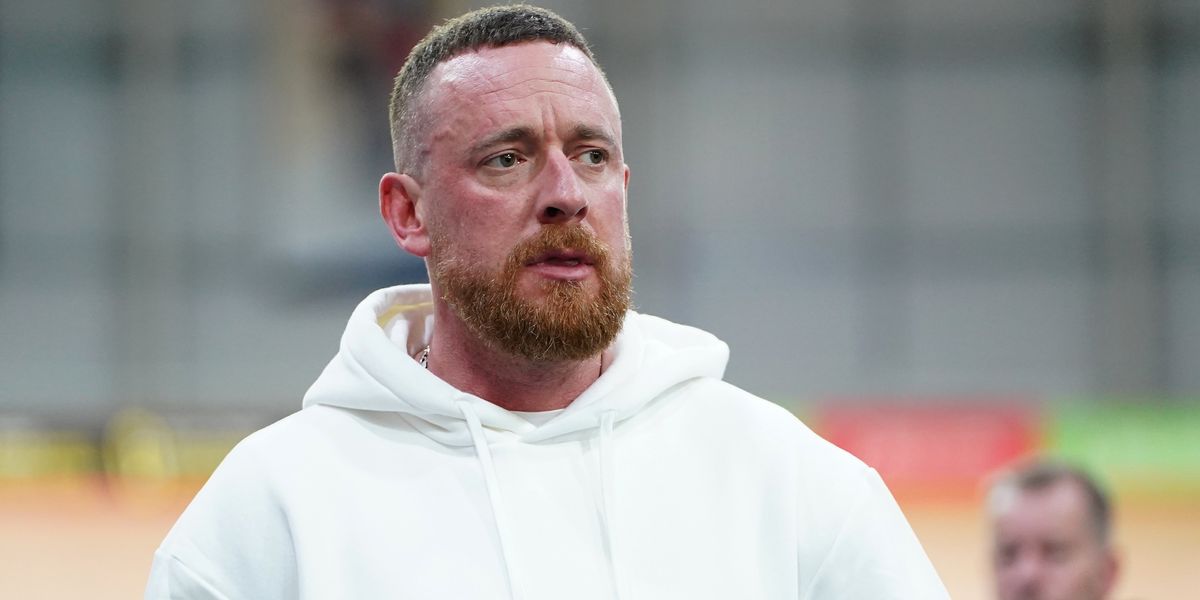
Sir Bradley Wiggins has alleged that he overheard discriminatory remarks during his time within British Cycling, claiming that racist, sexist and homophobic language was used by officials while he was part of the national programme, reports BritPanorama.
The five-time Olympic gold medallist and 2012 Tour de France winner made the claims in his new autobiography, The Chain, which details his 18-year career based at the Manchester Velodrome between 1998 and 2016.
In the book, the 45-year-old describes hearing comments he regarded as inappropriate and disrespectful towards fellow British athletes, including Victoria Pendleton and Shanaze Reade, as well as a gay staff member. Wiggins does not name the individual he alleges made the remarks, referring only to a “senior person” within the organisation at the time.
He writes that the atmosphere in elite cycling often blurred the line between “critical and derogatory,” stating he would not have wanted his own daughter to experience the same environment. Recalling one instance before a World Cup event in Manchester, Wiggins mentions a comment implying that an athlete’s performance was linked to her menstrual cycle. “We were four lads, definitely not choirboys,” he wrote. “But we all knew what was said was completely out of order.”
Wiggins also alleges that similarly offensive remarks were made about Reade, referencing her race in a comparison involving another international cyclist. He describes being “shocked” by what he heard, writing that the comments left those around him “with their jaws on the floor.”
The retired rider further claims that a gay member of staff was subjected to homophobic language, stating the individual eventually left British Cycling after feeling he could no longer work in that environment. “If anyone had to quit, it should have been the person who made the comment,” Wiggins wrote, suggesting that double standards existed within the organisation.
Wiggins reflects on the disciplinary actions taken against other members of staff during his time there, questioning whether consistent standards had been applied. After his retirement, he declined British Cycling’s offer to erect a statue of him outside the Manchester Velodrome, explaining that he felt “unappreciated and rejected” by the governing body.
In response to the claims, British Cycling issued a statement emphasising that the organisation does not tolerate discrimination in any form. A spokesperson stated, “British Cycling does not tolerate any form of discrimination.” The Cycling Independent Review, published in 2017, determined that change was needed to address historical allegations made during the run-up to the Rio 2016 Games.
“Over the past two Olympic and Paralympic cycles, we have demonstrated rider-centric cultural change that supports our riders to continue to chase their dreams and win well in a safe and supportive environment,” the statement continued. “We are committed to continuing to provide a respectful and inclusive culture for our riders to thrive, both on and off the bike.”
The Cycling Independent Review, commissioned by UK Sport and British Cycling in 2016, examined claims of inappropriate behaviour and cultural issues within the sport’s elite programme. It led to significant changes in the organisation’s leadership and governance, with reforms introduced to strengthen athlete welfare and promote inclusion. Wiggins, one of Britain’s most decorated Olympians, concludes in his book that cycling has evolved since his time in the sport but believes there is still work to be done to ensure future generations are treated with respect and equality.
In the end, Wiggins’ insights point to an ongoing challenge: transforming the culture of elite sport to ensure that it genuinely reflects inclusivity. It’s a stark reminder that progress is often incremental, even in the most successful of sporting arenas.