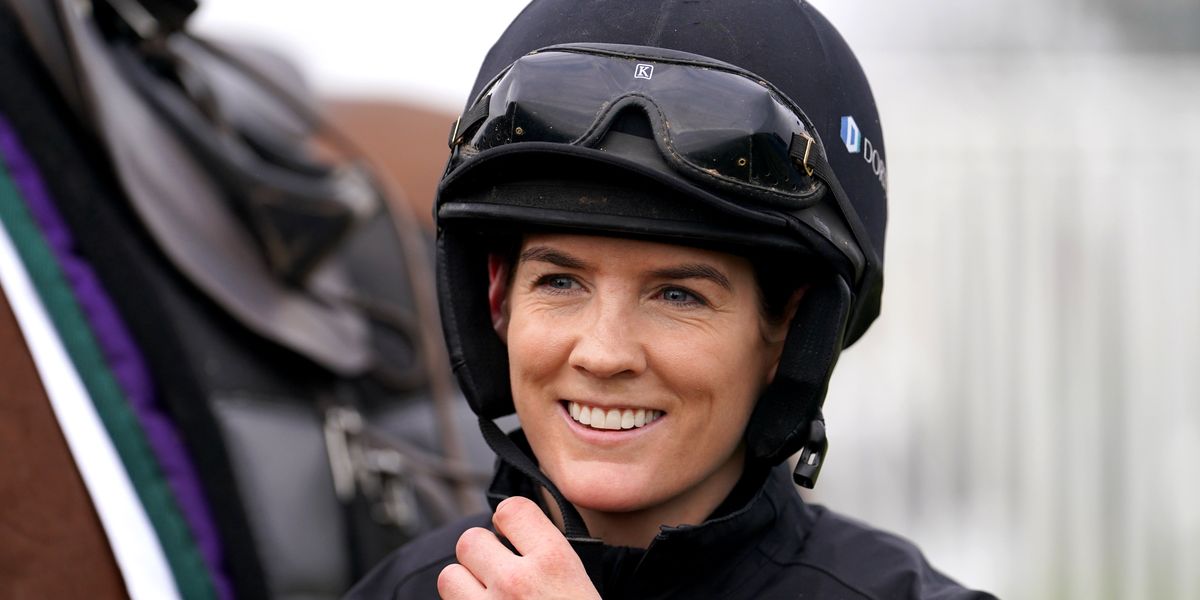
Rachael Blackmore has been appointed as the Head of Ladies Day at the Cheltenham Festival, aimed at increasing the attendance of female racegoers, reports BritPanorama.
Only 25% of attendees at Cheltenham are women, significantly below the 39% average across UK jump tracks, according to data from the Jockey Club and research by the Racecourse Association and Great British Racing. In response, the racecourse is reinstating Ladies Day for the first time since 2019, with Blackmore leading the initiative to attract more female spectators.
Blackmore, 36, made history in 2021 as the first woman to win the Grand National, riding Minella Times. She has garnered a reputation as one of modern horse racing’s most celebrated figures, having also secured multiple victories at the Cheltenham Festival including the Champion Hurdle.
Blackmore expressed her enthusiasm for the role, stating, “It is going to be a very different experience going racing and not heading for the weighing room, but I’m looking forward to seeing what race days are like from the other side of the rails.” She intends to engage with racegoers to determine barriers preventing more women from attending.
Guy Lavender, chief executive of the Festival, highlighted Blackmore’s potential to help grow the female fan base, calling her “a household name whose success and passion for horse racing resonates not only with racing fans but general sports fans and wider audiences.” Lavender acknowledged the campaign focused on enhancing female attendance, stating, “Rachael is exactly the kind of aspirational figure we hope will attract a new fan base to the sport.”
Previously, Ladies’ Day had been rebranded as “Style Wednesday” in 2024 to promote a more gender-neutral and inclusive image, a decision that faced criticism for being “woke.” Some commentators asserted the importance of celebrating women’s contributions to the race day atmosphere.
The move to restore Ladies Day and appoint Blackmore comes after her retirement from professional riding in May, where she described her years in the sport as “incredibly grateful for what my life has been for the past 16 years.” It marks a new chapter for both Blackmore and the Cheltenham Festival as it seeks to redefine its audience and attract a more diverse demographic.
In a sport long associated with male predominance, Blackmore’s new role offers hope for a refreshing change, reminding us how the spirit of horse racing can evolve while celebrating its rich traditions.