Graham Thorpe’s widow criticizes ECB support after his death
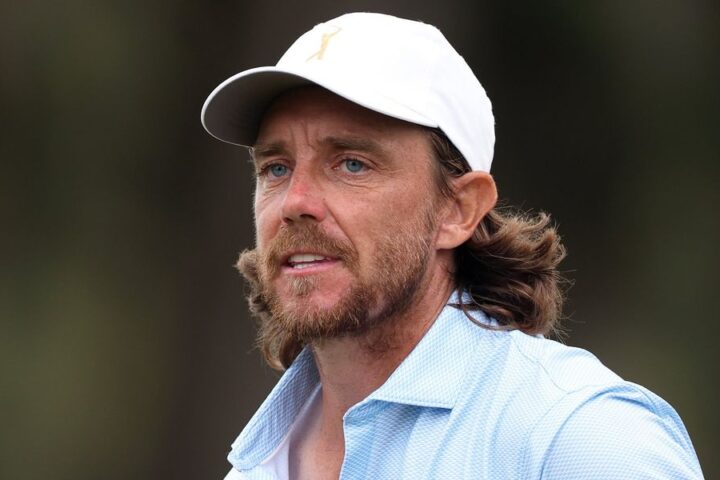
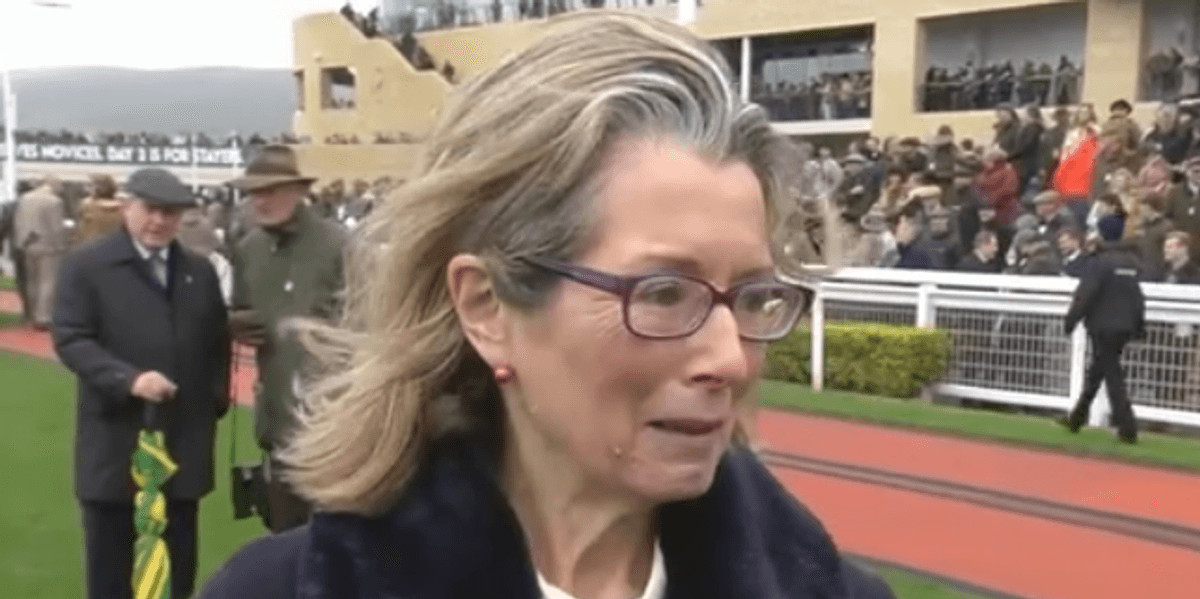
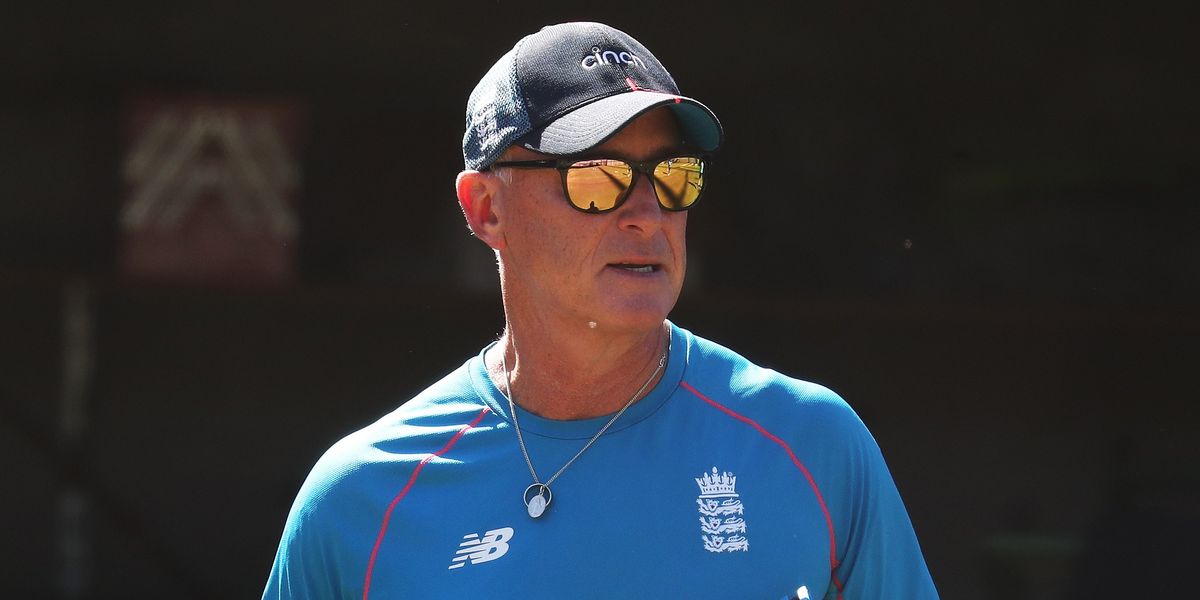
Amanda Thorpe believes her husband Graham would still be alive had the England and Wales Cricket Board (ECB) provided more support following his dismissal in 2022, reports BritPanorama. The former England batsman and assistant coach took his own life in August 2024, two-and-a-half years after losing his role following a 4-0 Ashes defeat in Australia.
Amanda described the ECB’s response as “woeful,” despite them offering ten online counselling sessions and extending his medical insurance for three months after his departure. Critically, a month after his sacking, a counsellor recommended that he receive in-person support at a residential facility, which did not occur.
During his time in counselling, Thorpe’s deterioration became evident. “If he’d had just a little bit of the support framework there to lean on a bit to just transition a bit more, it would have made all the difference,” Mrs. Thorpe said.
After a serious attempt on his life in May 2022, which resulted in a fortnight of intensive care, the ECB funded a four-week stay at a London hospital for neuro-rehabilitation. However, Amanda viewed this intervention as too late, stating, “It was too late, basically, after the crisis in May 2022, he was very ill.” By the end of the year, the ECB offered Thorpe a potential scouting role, which she described as “tragic” timing.
At the subsequent inquest into his death, Coroner Jonathan Stevens observed that the termination of Thorpe’s contract had a “devastating effect” on him, as he felt he had lost his cricket family. While acknowledging “shortcomings” in the care Thorpe received, the coroner did not criticize the ECB’s decision to terminate his contract, noting their efforts to support him financially and in treatment.
An ECB spokesperson expressed their condolences, describing Thorpe as “a deeply admired and much-loved person” in the cricketing community. Mrs. Thorpe later met with ECB officials after her husband’s death, but left in tears, reflecting on the lack of support. Sharing her perspective, she remarked, “I don’t have a husband who needs to work in cricket anymore…so I can speak up.” The cricketing world remains reminded of the mental health challenges that can emerge in elite sport, as grief and accountability weave through the fabric of a sport increasingly aware of its responsibilities.