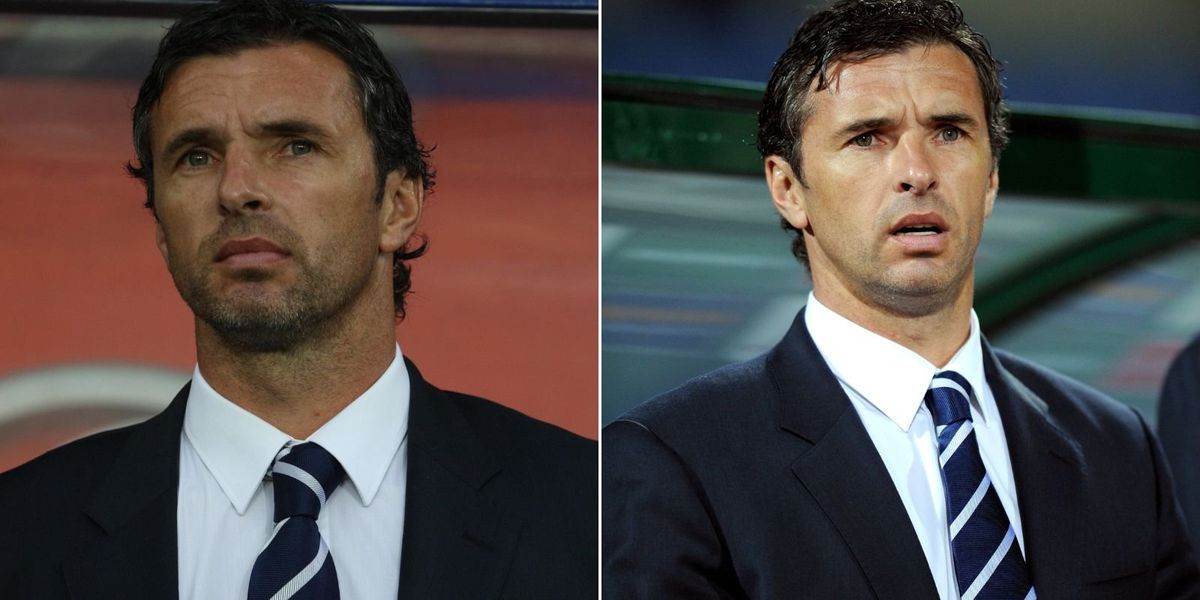
Gary Speed’s mother reflects on ongoing grief over son’s death
Gary Speed’s mother, Carol, has provided a poignant account of her enduring struggles, 14 years after the tragic death of her son, former Premier League star Gary Speed, reports BritPanorama.
Speed took his own life in November 2011 while serving as manager of Wales, leaving behind his wife Louise and their two children, Thomas and Edward. Despite the passage of time, the family continues to seek answers, grappling with their unresolved grief.
In an interview with the Daily Mail, Carol expressed the confusion that has lingered: “We didn’t have a clue then and we still don’t. He was always smiling, you know? He didn’t… he never gave us any hint that there was anything the matter. And just like that…” The inability to comprehend the circumstances surrounding his death adds to her pain.
The night before Speed’s death, he had been at a dinner party with Louise, during which an altercation occurred, described by her as “over something and nothing.” Testimonies during the inquest noted that he had been in high spirits just days earlier while appearing on BBC’s Football Focus. Host Dan Walker recalled him “laughing and joking,” adding to the bewilderment for those close to him.
The coroner later indicated that it was impossible to determine whether Speed had intended to take his life in the garage of their family home. Carol continues to reside in Deeside, Flintshire, the same home where Speed grew up. She shared her difficulty in leaving, laden with memories of her son, reflecting: “Gary was born there.” The reminiscence of childhood moments provides a bittersweet solace amidst grief.
“You just feel empty. There are days when I can sit and chat and have a laugh and everything else, but there’s always something missing,” she said. Even as she contemplates downsizing due to being alone, the weight of memories keeps her anchored to the past. The world of football, too, feels different without him, with Carol revealing that she couldn’t bring herself to watch matches for a decade following his death.
Eventually, she returned to watching football, driven by the belief that Gary would not have wanted her to dwell in despair. Carol acknowledges the cultural challenges around men’s mental health, particularly in discussing emotions. Everton, his former club, has established a ‘talking bench’ in his memory, aimed at encouraging dialogue: “In memory of Gary Speed – Evertonian, captain, leader. A place for what is often unspoken. A place to sit, share and listen.”
Carol hopes that by sharing her story, others might find the strength to speak up about their struggles. “If you’re struggling then you’ve got to speak,” she urges. “It’s such a waste… what it does to the family is just heartbreaking.” As she reflects on her son’s legacy, she recognizes the importance of raising awareness around mental health, reiterating that true tragedy lies in unspoken suffering.
For many, Speed remains a symbol of unmatched talent and camaraderie, a reminder of how the brilliance of a life can co-exist with unexpressed pain, leaving an indelible mark on both sport and personal narratives.