England cricket team implements midnight curfew amid disciplinary issues
England’s cricket squad will operate under a strict midnight curfew throughout the remainder of the winter tour, following a series of disciplinary problems during the recent Ashes campaign and New Zealand series, reports BritPanorama.
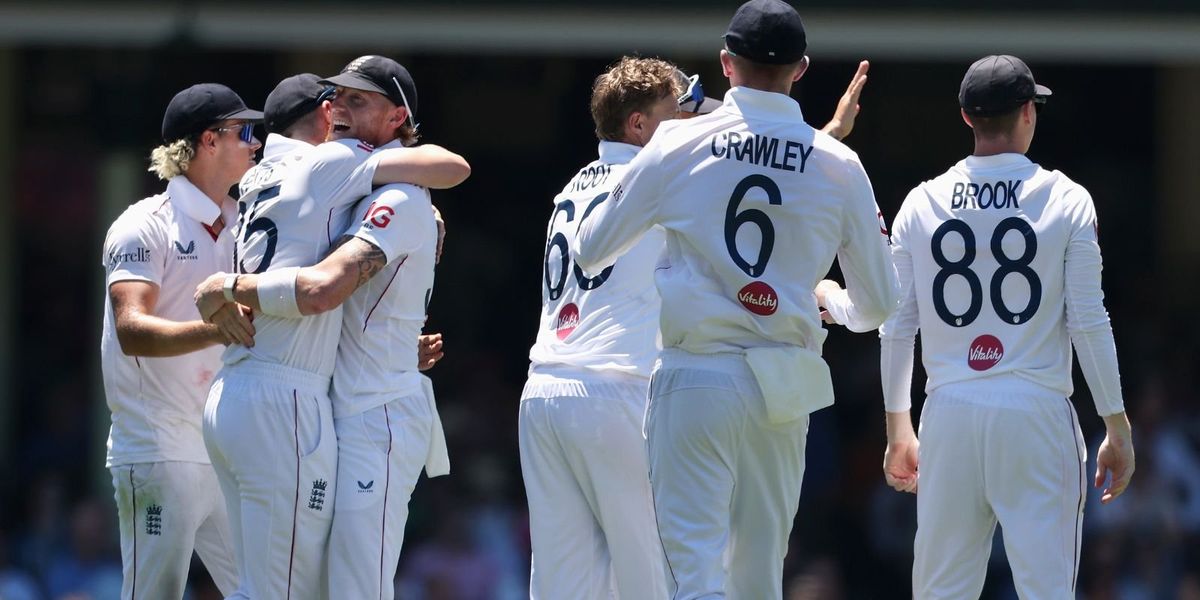
Scheduled to depart London for Colombo on Sunday, the players, led by Harry Brook, prepare for white-ball fixtures against Sri Lanka and February’s Twenty20 World Cup. This new curfew requires all players to return to their team accommodation before midnight each evening, unless prior arrangements have been made with management.
Whilst no official behavioural guidelines will be formally issued, the squad will receive reminders about their obligations as representatives of English cricket upon landing in Sri Lanka, according to the Daily Mail. The disciplinary measures follow numerous alcohol-related incidents that marred England’s performances, culminating in a dismal 3-0 one-day series defeat to New Zealand and a comprehensive 4-1 Test series loss in Australia over seven weeks.
Witnesses reported a chaotic atmosphere during a six-day break in Noosa, likening it to a stag celebration. Video footage also emerged showing Ben Duckett in an intoxicated state, appearing confused late at night about his location and intended destination. Concerns grew further during the Perth leg of the tour, with reports indicating significant drinking among squad members at a casino hotel complex.
The most serious incident involved Brook himself, who received a maximum fine of £30,000 following a confrontation with a nightclub doorman in Wellington, just hours before England’s third and final ODI defeat to the Black Caps. This altercation came dangerously close to jeopardising Brook’s position as white-ball captain; however, he reported the incident to the team management himself.
Images circulating on social media showed a group of England cricketers at a rooftop bar, contributing to an atmosphere of concern surrounding squad discipline during the troubled tour. The reintroduction of curfew restrictions marks a significant policy reversal since Ben Stokes and Brendon McCullum took charge of the Test setup four years ago, a move that had previously sought to empower players with greater autonomy.
That earlier curfew was instituted by Andrew Strauss, Rob Key’s predecessor as managing director, following an incident involving Jonny Bairstow and Australia’s Cameron Bancroft before the 2017-18 Ashes series. As England’s leadership navigates this latest challenge, the necessity to establish a balance between oversight and freedom is paramount, particularly with a fourth global title in sight come March.
The saga underscores a timeless truth in sports: that maintaining discipline within the camp often proves as crucial as any physical preparation on the pitch. In an era where accountability reigns, how sharply the team can pivot will determine whether they emerge as victors or merely as shadowy figures playing for their place in the game.