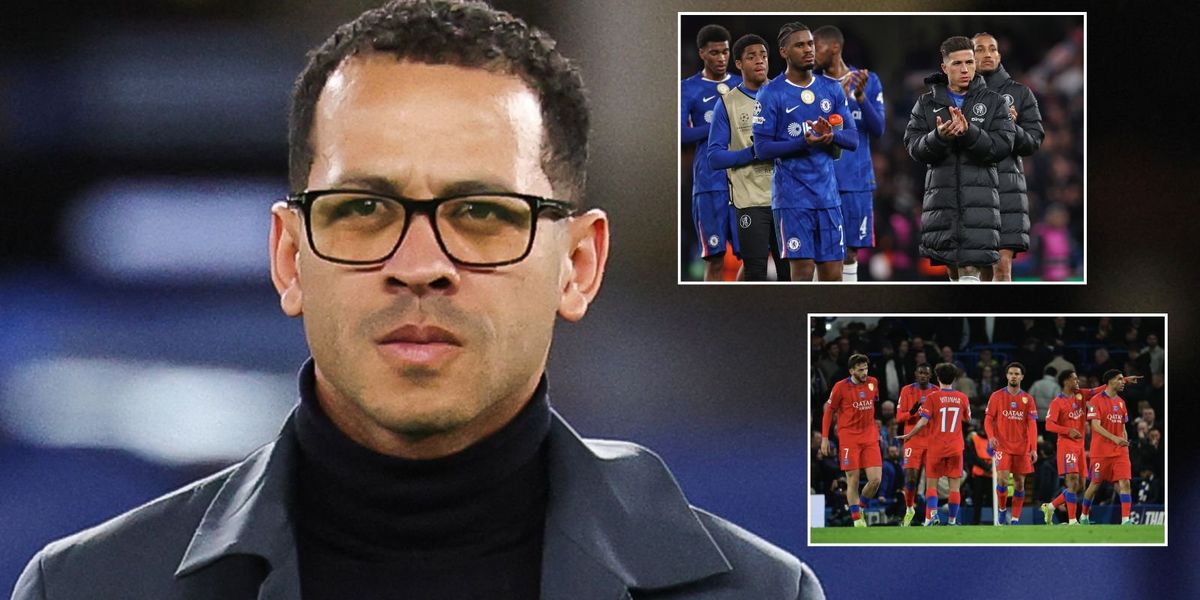
Chelsea faces overwhelming defeat against PSG in Champions League
The final whistle at Stamford Bridge last night signalled not only the end of Chelsea’s Champions League campaign but also a moment of reckoning for the club, following a disheartening 3-0 loss to Paris Saint-Germain that resulted in an 8-2 aggregate defeat in the Round of 16, reports BritPanorama.
As European champions trudged off the field, the stadium erupted in a chorus of boos as disillusioned fans expressed their frustration. This exit, deemed humiliating, exposed deeper issues within the club, which appears to be on the brink of a systemic crisis.
Chelsea entered the match needing a significant turnaround after trailing 5-2 from the first leg in Paris but failed to deliver. Goals from Khvicha Kvaratskhelia and Bradley Barcola early in the first half extinguished any hope of a miraculous comeback, revealing a defence lacking leadership and cohesion. Senny Mayulu’s goal later in the game added insult to injury as Chelsea demonstrated a stark decline in quality compared to PSG’s disciplined performance.
Despite having invested over £1 billion to assemble their current squad, Chelsea’s players appeared disjointed and outmanned. Manager Liam Rosenior’s decision to deploy 20-year-old Mamadou Sarr out of position at right-back was particularly detrimental, as the young player struggled against PSG’s attacking prowess. Post-match, Rosenior attributed the defeat to individual errors, steering away from discussing tactical shortcomings.
Amid the fallout, Enzo Fernandez, Chelsea’s star midfielder, hinted at his uncertain future. When asked about his commitment by ESPN Argentina, he responded, “I don’t know. There are eight games left and the FA Cup. There’s the World Cup and then we’ll see.” This ambiguous stance from a player tied to a lengthy contract through 2032 raises concerns about the squad’s morale.
The disconnect between the players and the fans was starkly illustrated by Wesley Fofana, who was seen smiling and joking with PSG’s Ousmane Dembele post-match, a moment many fans deemed unacceptable during such a humiliating defeat. The fans’ frustration escalated as they perceived this as indicative of a deeper cultural rot within the team.
Rosenior finds himself under mounting pressure as well. Appointed in January to re-establish order, his coaching identity is now being questioned. Fans reacted negatively to his substitutions during the match, particularly the removal of key players like Cole Palmer and Fernandez, which was interpreted as conceding defeat.
Despite the backing of a long-term contract, Rosenior’s future is precarious, especially with the club’s ownership demonstrating a notorious willingness to dismiss underperforming managers. With European ambitions now dashed and Premier League performance lagging, the board’s patience may be reaching its limit.
As Chelsea grapples with the aspects of their current crisis, it becomes clear that the path forward is fraught with difficulty. They currently stand at a crossroads, where key decisions must be made swiftly to remedy the discontent that has enveloped Stamford Bridge.
In the high-stakes realm of football, a refusal to adapt and a lack of unity can spell disaster, and for Chelsea, the recurring theme is not just a game lost, but a culture unraveling at a club once renowned for its resilience.