Women’s rights campaigners urge changes in Paralympic policy on trans competitors
Women’s rights activists are calling on the International Paralympic Committee (IPC) to adopt restrictions similar to those being developed for the Olympics concerning transgender athletes. This demand follows revelations that the International Olympic Committee (IOC) plans to introduce comprehensive rules that will prevent trans athletes from entering female-only events at the Los Angeles Games scheduled for 2028, reports BritPanorama.
The anticipated policy shift represents a marked change from existing regulations that currently allow individual sports federations to determine eligibility based on testosterone thresholds. The Women’s Rights Network has expressed dissatisfaction with the IPC’s approach, highlighting a perceived lack of attention to fairness in female sports.
This advocacy group took to social media platform X, formerly known as Twitter, to share their concerns regarding the IPC’s position on transgender participation. They labelled the committee as “well behind the curve” regarding the ongoing debate surrounding transgender athletes.
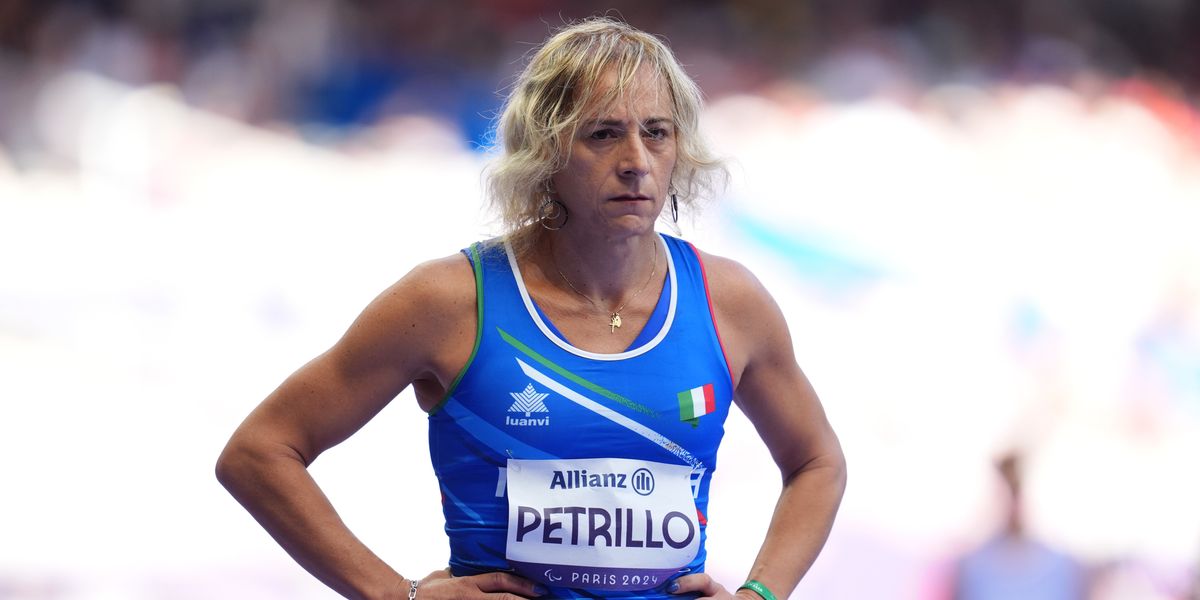
They articulated that fairness in female competitions is essential, referencing instances like last year’s Paris Paralympics where Valentina Petrillo, a transgender athlete, competed against women in events designated for partially-sighted competitors. Referring to Andrew Parsons, the IPC president, who has publicly stated his opposition to a blanket ban on transgender athletes, they indicated that there needs to be progress towards fair rules for female competitors.
The advocacy group’s statement further emphasized that, while they are not advocating for an outright ban, they assert that “female sports should be for females only,” as they believe Paralympic athletes deserve the same rights to fairness as their Olympic counterparts.
In addressing the debate, they recalled Petrillo’s participation, noting that she transitioned eight years ago and obtained a female passport in 2023. Competing under the testosterone guidelines established by athletics’ officials, Petrillo faced notable criticism from figures such as author JK Rowling, who referred to her as an “out and proud cheat.” Despite this backlash, Petrillo has maintained her resolve, asserting that she competes for herself and her family, declaring her intent to focus on her sport amid surrounding controversy.
As the IPC contemplates its policies, the IOC’s proposed modifications are understood to require a lengthy approval process, potentially taking between six months and a year to be formalized. These reforms are a top priority for the newly elected IOC president, Kirsty Coventry, who emphasized safeguarding women’s categories during her campaign. Although there is speculation regarding a potential announcement in February, the IOC has yet to confirm any formal decisions.
In a landscape where sports and societal norms increasingly intersect, this ongoing debate illustrates the complexities of gender and competition. As the rules evolve, the implications for athletes across the spectrum will undoubtedly become clearer, culminating in a conversation that both sports enthusiasts and social advocates are watching closely.