Wes Streeting navigates leadership speculation amid No10 conflict
Wes Streeting, UK Health Secretary, has recently avoided denying speculation regarding his ambitions for the role of Prime Minister amid reports of internal strife within Downing Street, reports BritPanorama.
Allegations surfaced that allies of Sir Keir Starmer cautioned that the Prime Minister would react harshly to any leadership challenge, directly implicating Streeting as a potential rival. The context of this warning comes after a significant briefing war erupted between No10 and certain factions within the Labour Party.
Responding to the swirling tensions, Streeting characterised the atmosphere as “toxic” and “juvenile,” signalling frustration with how internal conflicts are being managed. This view was further echoed when he rejected claims linking him to recent briefings, attributing them instead to a broader culture within No10 not directly tied to his intentions.
In a conversation with Sir Keir, Streeting indicated that he was assured the damaging claims did not originate from Starmer’s inner circle. He reassured the public of his and the chief of staff Morgan McSweeney’s loyalty, describing the unfolding drama as a “fever dream.”
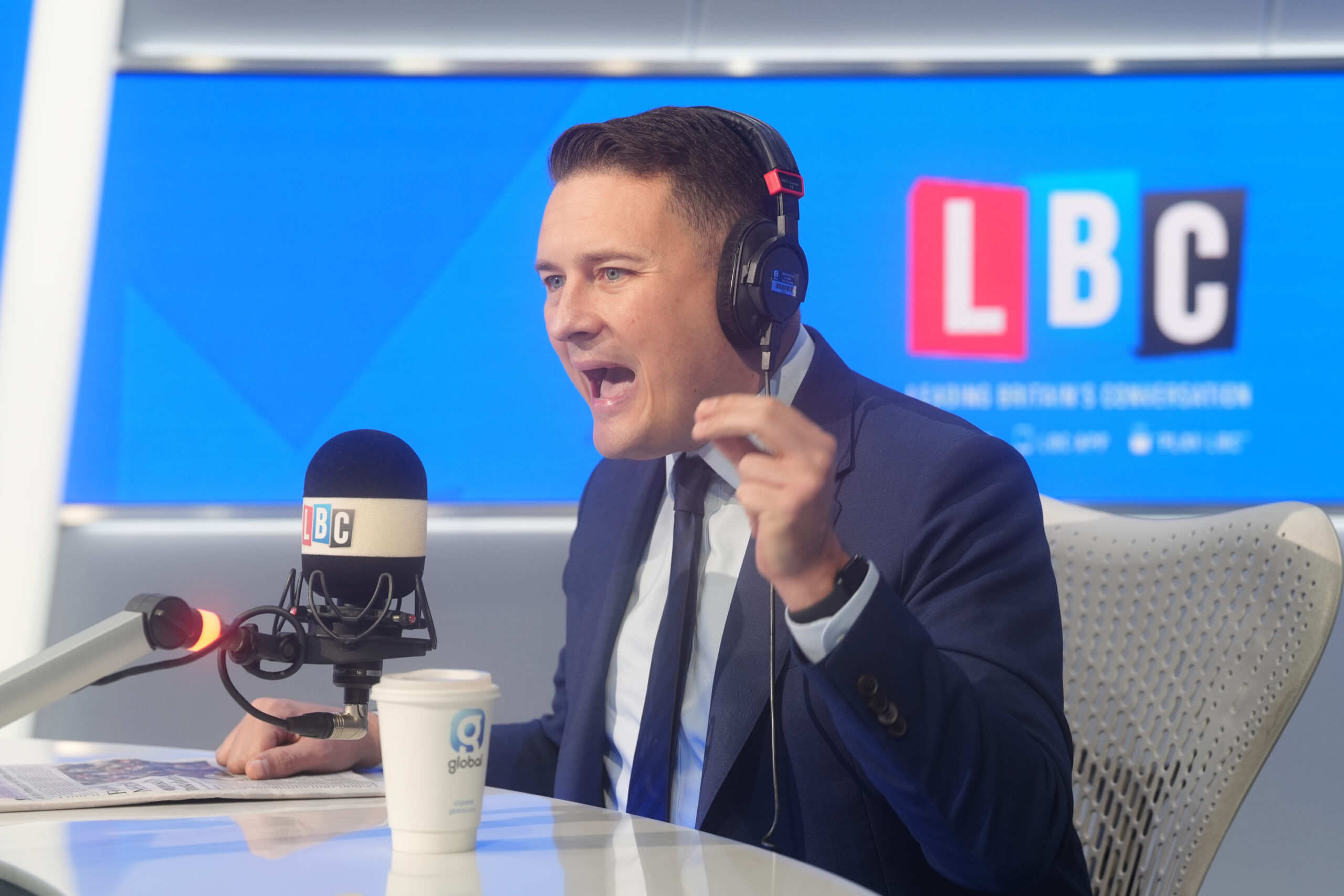
During an interview on LBC, Streeting reinforced his commitment to his current role, stating, “I’m very happy doing the job that I’m doing, to be honest,” when pressed about his leadership aspirations. He stressed full confidence in McSweeney amid suspicions swirling about his involvement in the briefing disputes.
Prime Minister Starmer faces growing pressure to address accountability amongst his team, with warnings that inaction could threaten his leadership. As the political landscape remains volatile, the Labour Party’s cohesion depends on effective management of these internal discordances.
Streeting’s background and position could significantly influence the dynamics within Labour in the coming weeks, as party unity is vital for navigating upcoming electoral challenges.
The political climate reflects broader themes of trust and leadership within the UK, illustrating the complexities and contradictions typical in governance. How these internal struggles play out will bear significant implications for both the party and the broader political discourse in the UK.