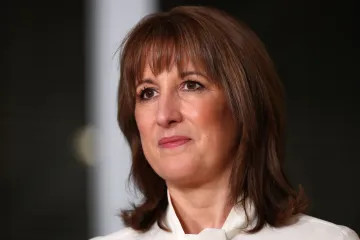
Voters have delivered a critical assessment of Rachel Reeves’ first Budget as Chancellor, with many predicting her dismissal within months, reports BritPanorama.
The public’s perception is largely negative, with a majority believing that Labour has breached its manifesto commitment regarding taxation. Recent polling from think tank More In Common indicates significant dissatisfaction, revealing that just six per cent of respondents feel the Budget will alleviate the ongoing cost of living crisis, which remains the primary concern for many Britons.
The findings suggest escalating pressure on Ms Reeves, who faces accusations of misleading Parliament about a purported £30 billion economic black hole used to justify tax increases. This situation has ignited contentious debate within political circles, as many question the integrity of these financial claims.
Luke Tryl from More In Common stated, “The Budget has done little to restore confidence in the Chancellor, and many Britons told us that tax hikes, U-turns and broken promises had further shattered their trust in the Government.” The proposed fiscal changes included freezing income tax thresholds and hiking taxes on homes and pensions, alongside a new road tax for electric vehicles.
Public sentiment reveals widespread anger at Labour’s fiscal management, with 67 per cent of respondents stating the party has not upheld its promise to refrain from raising taxes for working individuals. Additionally, 58 per cent assert that the decision to freeze income tax thresholds constitutes a clear violation of Labour’s campaign pledges.
Confidence in Ms Reeves appears to be waning, with 60 per cent of poll participants rating her performance as “bad,” while only 16 per cent consider her role satisfactory. Furthermore, 77 per cent express limited to no confidence in her leadership, and a notable 51 per cent feel she should be dismissed.
Comparative evaluations of this Budget with previous fiscal statements show that only one in three voters believe this budget outperforms the controversial 2022 mini-Budget introduced by Liz Truss, which precipitated a significant economic downturn and her rapid exit from office.
Moreover, the government’s flagship policy of eliminating the two-child benefit cap has seen lukewarm support, with only 32 per cent approval. Behind the façade of public enthusiasm, some Labour MPs privately express concern about the potential political fallout from this Budget, particularly as local elections approach.
A senior Government figure remarked, “It has bought Keir and Rachel time. It all depends on if there is a catastrophic defeat in the local elections in May.” Many within the party fear the broader implications of higher benefits could alienate traditional Labour supporters.
Tory analysis uncovered a total of 43 tax increases or new levies, many of which received widespread backlash from the public. For example, reducing the tax-free allowance on cash ISAs from £20,000 to £12,000 has elicited strong opposition, as did other unpopular measures affecting pension savings.
Kate Nicholls, head of UK Hospitality, criticized the Budget, stating, “It’s death by a thousand taxes for businesses right now.” The Treasury, maintaining a defensive stance, asserts that the Budget “delivers on the country’s priorities.”
As Labour navigates these turbulent waters, the long-term implications of this Budget are yet to unfold, with a clear need for a recalibration of public trust as both the party and its leadership grapple with challenging economic realities.
The current political landscape underscores an essential demand for accountability and transparency within governmental fiscal policy, reminding voters and officials alike that trust and economic stability are inextricably linked in a democracy.