New Unison leader threatens major strikes against Labour government
The newly elected general secretary of Unison, Andrea Egan, has pledged to spearhead significant public sector strikes in 2026, challenging Prime Minister Sir Keir Starmer’s leadership and the Labour Party’s direction, reports BritPanorama.
Egan’s ascent to the leadership of the UK’s largest trade union, with a membership of 1.3 million, marks a decisive shift towards a more militant approach. She accused the Labour Party of siding with policies detrimental to the interests of union members and vowed to cease what she termed the “inexcusable habit” of supporting politicians who undermine core values and worsen working conditions.
Her statements suggest a potential campaign of coordinated strikes alongside other trade unions, which could severely disrupt public services. “We are the biggest and best-resourced union in the country,” Egan asserted in an article, emphasising her vision for Unison to be a formidable force in industrial action.
Ms. Egan, set to start her term in January, previously faced expulsion from the Labour Party in 2022 for disseminating materials associated with a Marxist group. Her election comes amid warnings from Chancellor Rachel Reeves regarding projected lower pay increases for public sector workers due to ongoing fiscal pressures on the government.
Unison predominantly represents NHS workers, and a simultaneous strike with junior doctors currently engaged in rolling strikes could jeopardise the government’s objectives regarding NHS waiting list reductions.
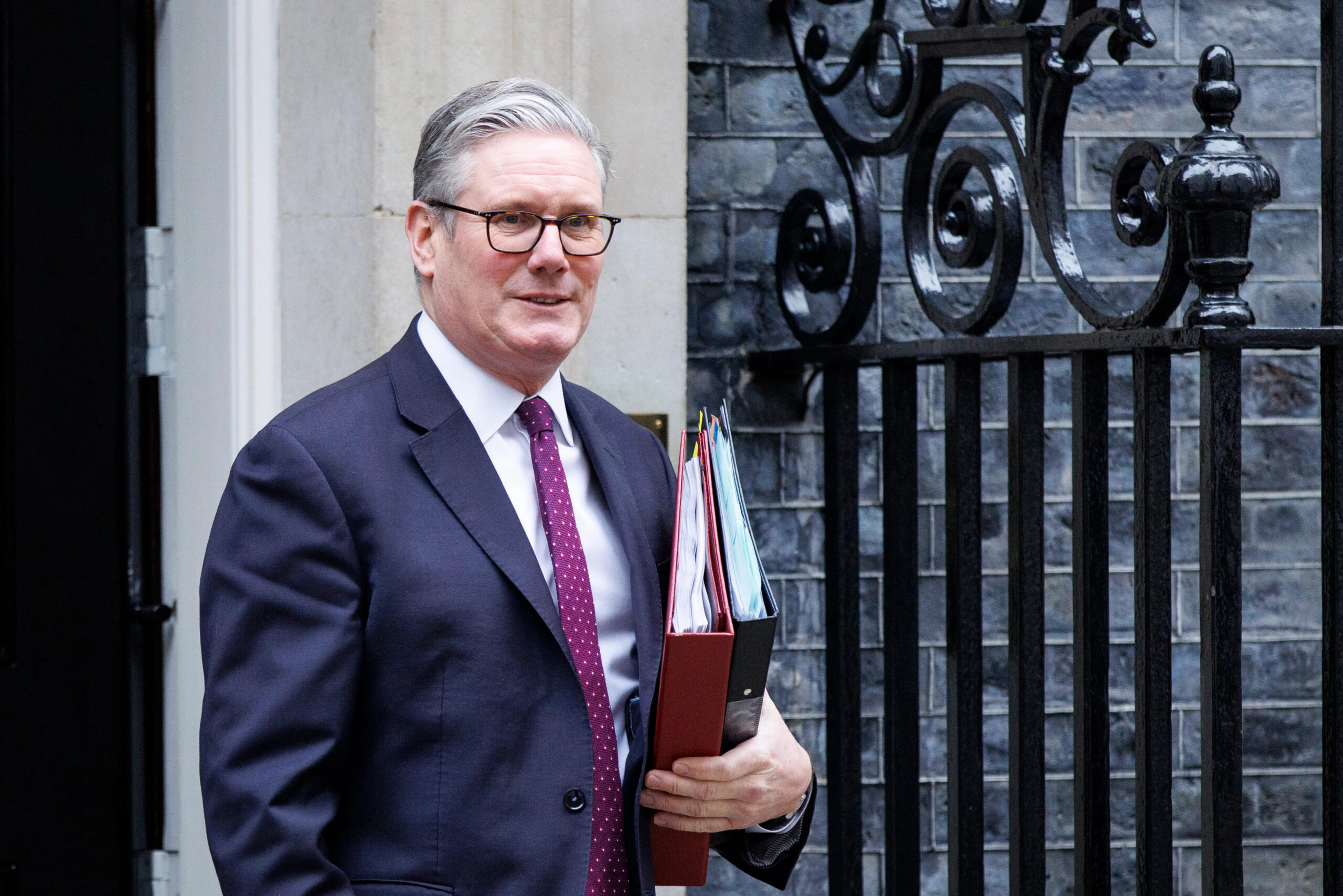
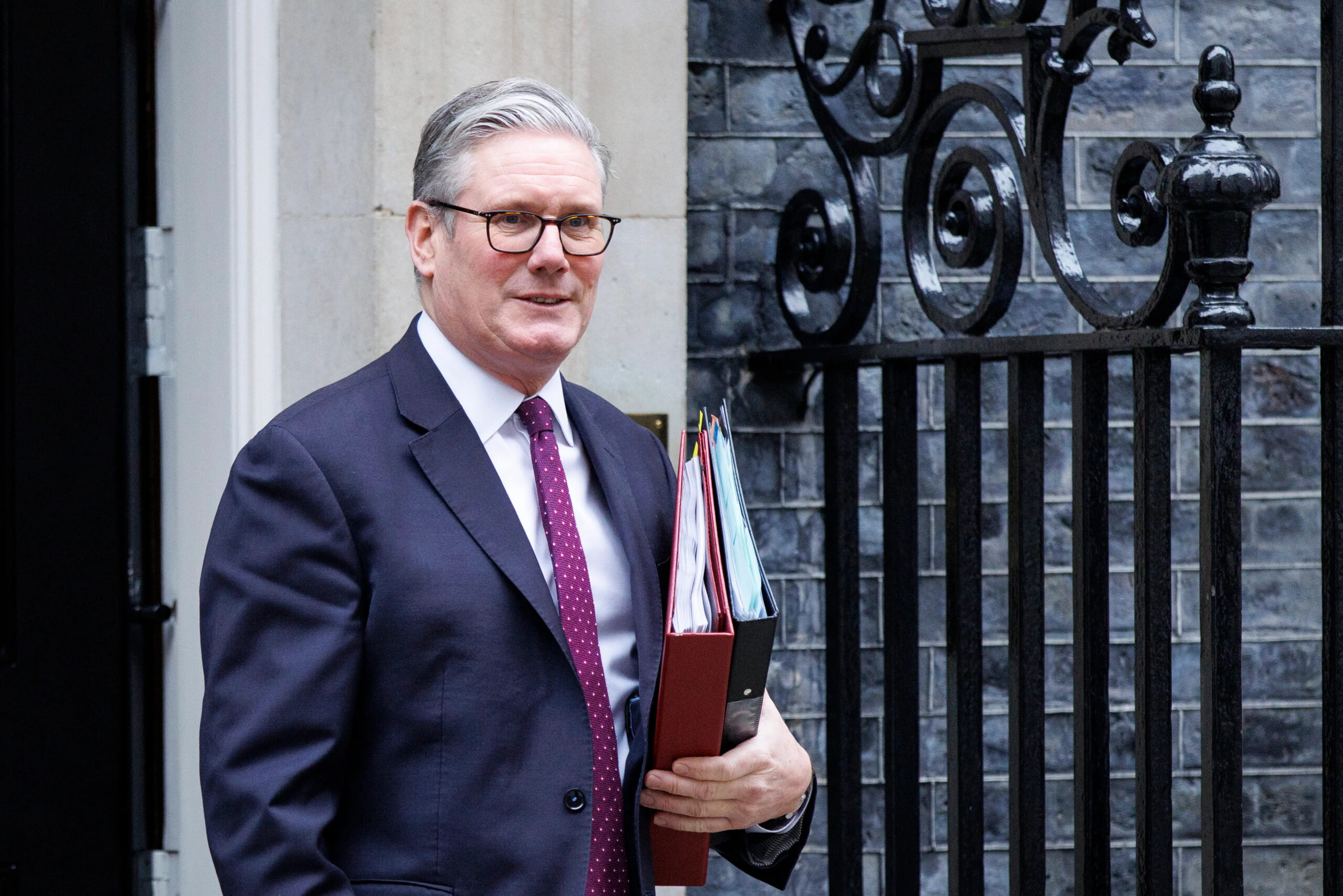
The political landscape is increasingly tense for the Prime Minister. Ongoing speculation about a leadership challenge continues, with figures such as Wes Streeting, Andy Burnham, and Angela Rayner mentioned as potential contenders. As the Labour Party braces for possible significant losses in the upcoming local and devolved elections in May, some MPs have advocated for a leadership change before the elections, citing urgency in addressing perceived vulnerabilities.
With a seasoned observer noting that Starmer’s leadership appears precarious, tensions within the party threaten to destabilise the government further as it approaches critical decision points ahead of the spring elections.
The current dynamics illustrate the complexities within Labour, where internal strife and a resurgent left wing under Egan’s leadership could reshape the party’s future trajectory.
In light of evolving circumstances, the potential for significant strikes underscores fractures within the Labour movement and the broader implications for public services and political stability in the UK.