Fresh strikes amid US-Iran tensions as Russia and Iran unite against America
The United States has launched missile strikes on Iranian positions on Larak Island, escalating tensions amid a month of relative quiet in the region, reports BritPanorama.
The Pentagon claimed the attacks were aimed at mine-laying vessels Iran allegedly used to restrict maritime traffic in the strategic Strait of Hormuz, a key waterway for global oil shipping. This military action follows a period of increasing hostilities that saw Iran retaliate with missile strikes targeting US bases in Jordan, Bahrain, Kuwait, and Iraq. Iran accused the US of conducting an airstrike that killed five people at a wedding party in Kuhestak, in addition to damaging two Iranian oil tankers.
Since the conflict reignited in February 2025, when the US initiated military actions alongside Israel, tensions in the region have steadily increased. Iranians claim these developments reflect a broader strategy to encircle the US and diminish its influence in the Middle East. The US withdrawal from several engagements in the past has left a vacuum exploited by both Iranian and Russian interests.
In previous years, US efforts to democratize the region have met with increased resistance, leading to civilian casualties and loss of credibility among local populations. The ongoing conflict demonstrates that both Iran’s leadership and the Russian government are adapting to these dynamics, seeking to challenge American hegemony.
The Iran-led escalation underscores a calculated strategy by Tehran, marked by its support for anti-Western terror groups and a historical defiance against US interventions since the 1980s. Observers note that Tehran’s engagement in warfare reflects both end-time religious ideologies and strategic statecraft, particularly as it aligns with Moscow’s efforts against the US.
Further complicating the landscape, Russia has been providing Iran with intelligence and missile technology, including guided missiles utilized in the conflict. These relationships have given Iran a formidable edge in regional conflicts while deepening the military ties between Tehran and Moscow.
With pressures mounting on US policymakers to reconsider their military engagements, the implications of these developments are significant. The long-term consequences of the current US administration’s strategies could reshape alliances and power dynamics within the Middle East and beyond, leaving many uncertain about the future of international relations in this contentious arena.
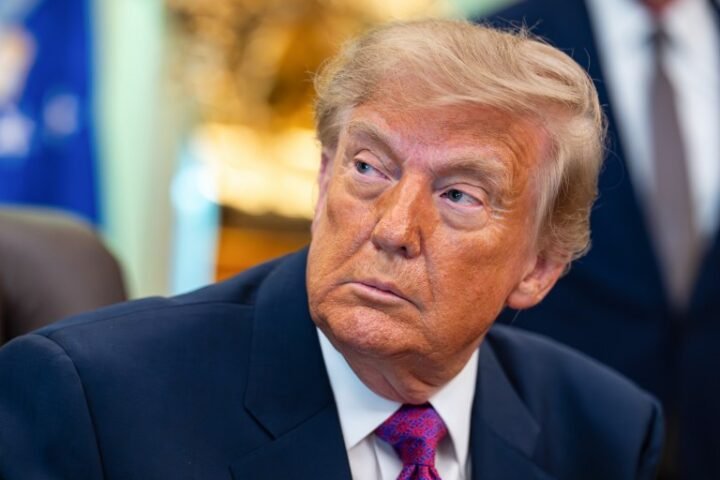
The situation reflects a complex web of geopolitical interests, with Trump’s administration facing resistance not only from adversaries but also from allies weary of America’s ongoing military adventures. The prospect of prolonged conflict raises questions about the sustainability of the current US foreign policy framework, as local populations grapple with the effects of distant political decisions.
With multiple fronts now evolving, the interconnectedness of regional conflicts suggests a challenging path ahead for the US and its allies, as they navigate an increasingly hostile landscape.