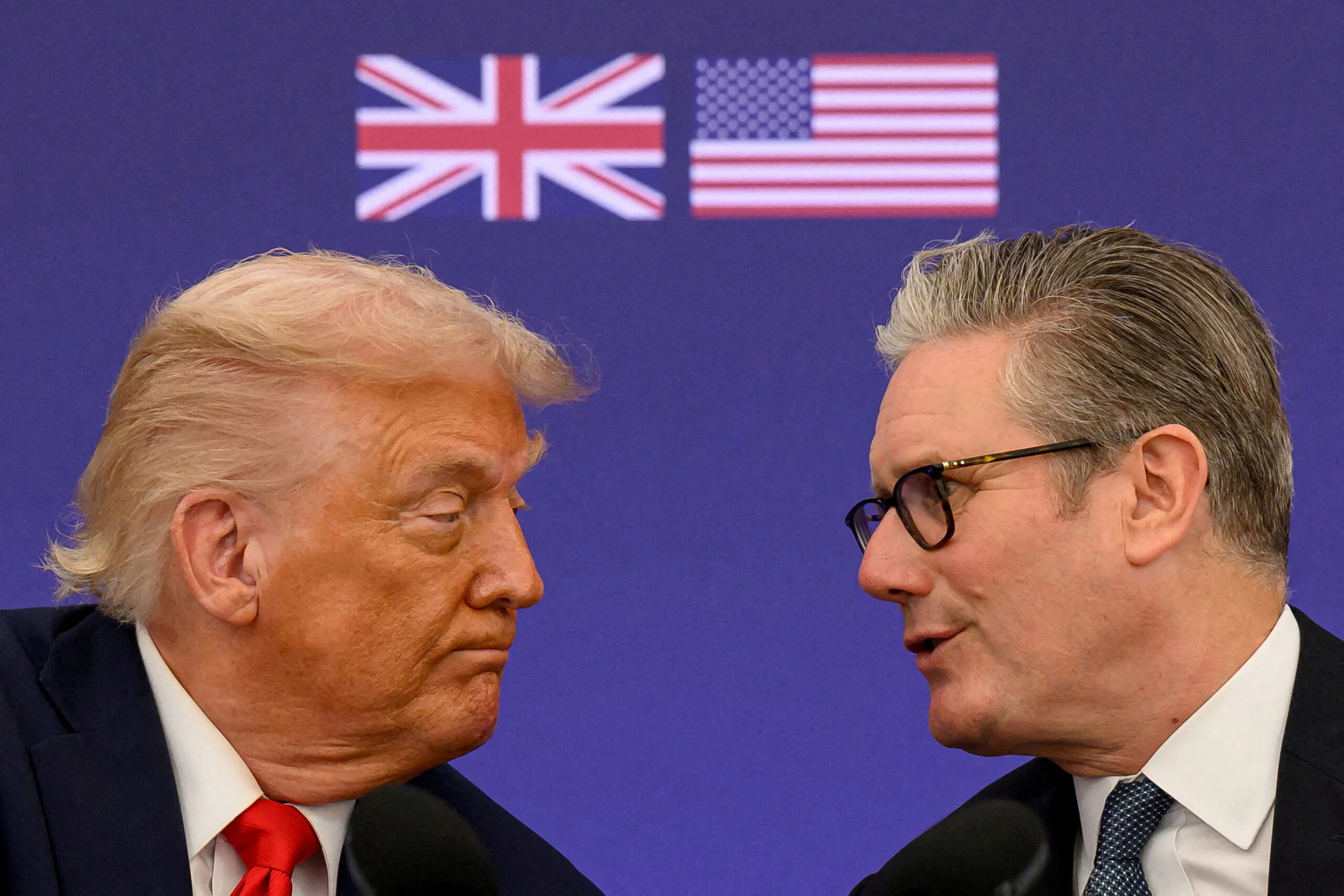
In a significant diplomatic development, former President Donald Trump has sharply criticized Britain’s decision to transfer the Chagos Islands to Mauritius, labelling it an “act of GREAT STUPIDITY” that jeopardizes UK/US relations and strategic interests in the Indian Ocean, reports BritPanorama.
This move comes in the wake of longstanding opposition from various UK politicians advocating for a more robust stance against what they view as an unjust loss of British territory. The deal is perceived as a culmination of both post-colonial dynamics and adherence to a non-binding international court ruling that leaves the UK financially liable to Mauritius for control of the islands, which are strategically important for military and intelligence operations.
Trump’s intervention arrives at a critical moment as he publicly condemned the potential transfer of the Chagos Islands, which houses the vital US-UK military base of Diego Garcia. He stated that the handover is occurring “FOR NO REASON WHATSOEVER,” thus questioning its rationale and asserting that such decisions reflect a weakness towards global adversaries. This represents a stark warning from the former President regarding the implications of the deal for US-UK military cooperation.
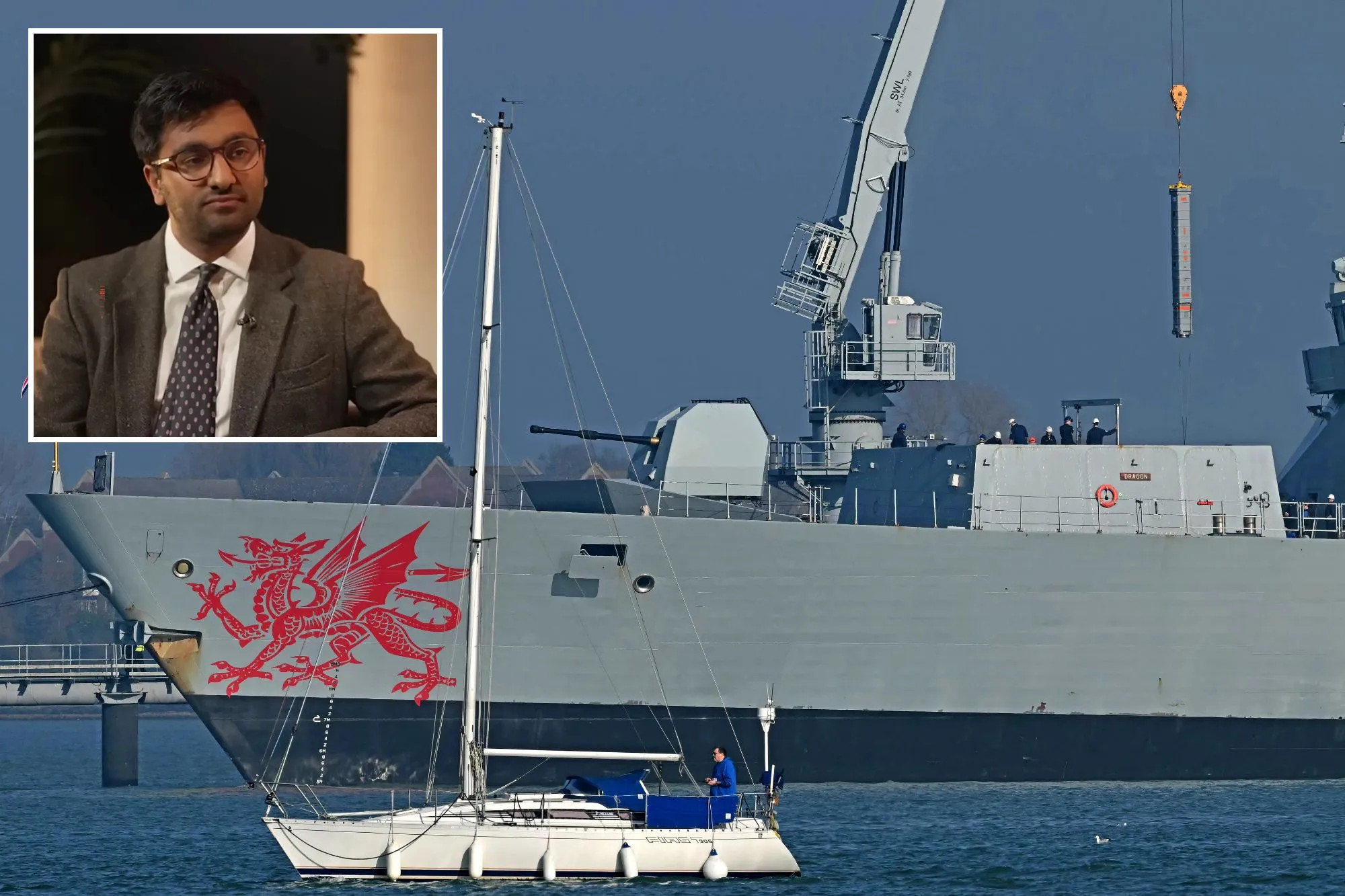
Amidst this backdrop, UK officials such as Attorney General Lord Hermer and the Foreign Office have expressed concerns regarding potential international legal repercussions. Notably, US lawmakers have voiced scepticism over relinquishing what is viewed as a crucial military asset, underscoring the complexity of the negotiations and the pressures exerted on the UK government. As the proposed agreement awaits parliamentary ratification, fears grow that it risks being halted amid rising political tensions influenced by Trump’s outspoken criticism.
Despite previous backing from the US administration, unease prevails within the White House and Capitol Hill regarding the strategic implications of the deal. As President Trump hinted, any perceived legal drawbacks on the UK’s part may complicate relations, indicating a potential fallout if the deal were to advance unchallenged. The US has signalled reluctance to provide financial compensation for the use of Diego Garcia post-transfer, a move that might further tilt the balance of military cooperation heavily in favour of the US.
This scenario has sparked debate within the UK, particularly as MPs express concerns over the implications of the diplomatic arrangement. Labour MP David Lammy remarked on the interdependence of UK and US military interests, emphasizing that Trump’s approval would be essential for the deal to proceed, thereby showcasing the frailty of the UK’s negotiating position.
As this diplomatic affair unfolds, the British government finds itself wrestling with not only the ramifications of relinquishing the islands, but also navigating the delicate landscape of international relations dominated by the shifting attitudes of the US administration. The Lords’ forthcoming decisions could further alter the trajectory of the deal and test the resilience of the UK’s alliances.
The ongoing saga illustrates the complex historical and political narratives that frame the modern-day geopolitical landscape, where decisions echo past colonial legacies while simultaneously positioning the UK within the broader context of international power dynamics.
Ultimately, the evolution of this situation raises crucial questions around sovereignty, strategic assets, and the implications of shifting allegiances in a globalized world, reflecting the challenges faced by contemporary leaders in balancing national interests with historical accountability.
In the realm of UK foreign policy, the intersection of historical considerations and modern strategic imperatives continues to shape debates, revealing a landscape where the echoes of the past directly inform the decisions of today.