Outgoing BBC director-general faces backlash over comments on criticism
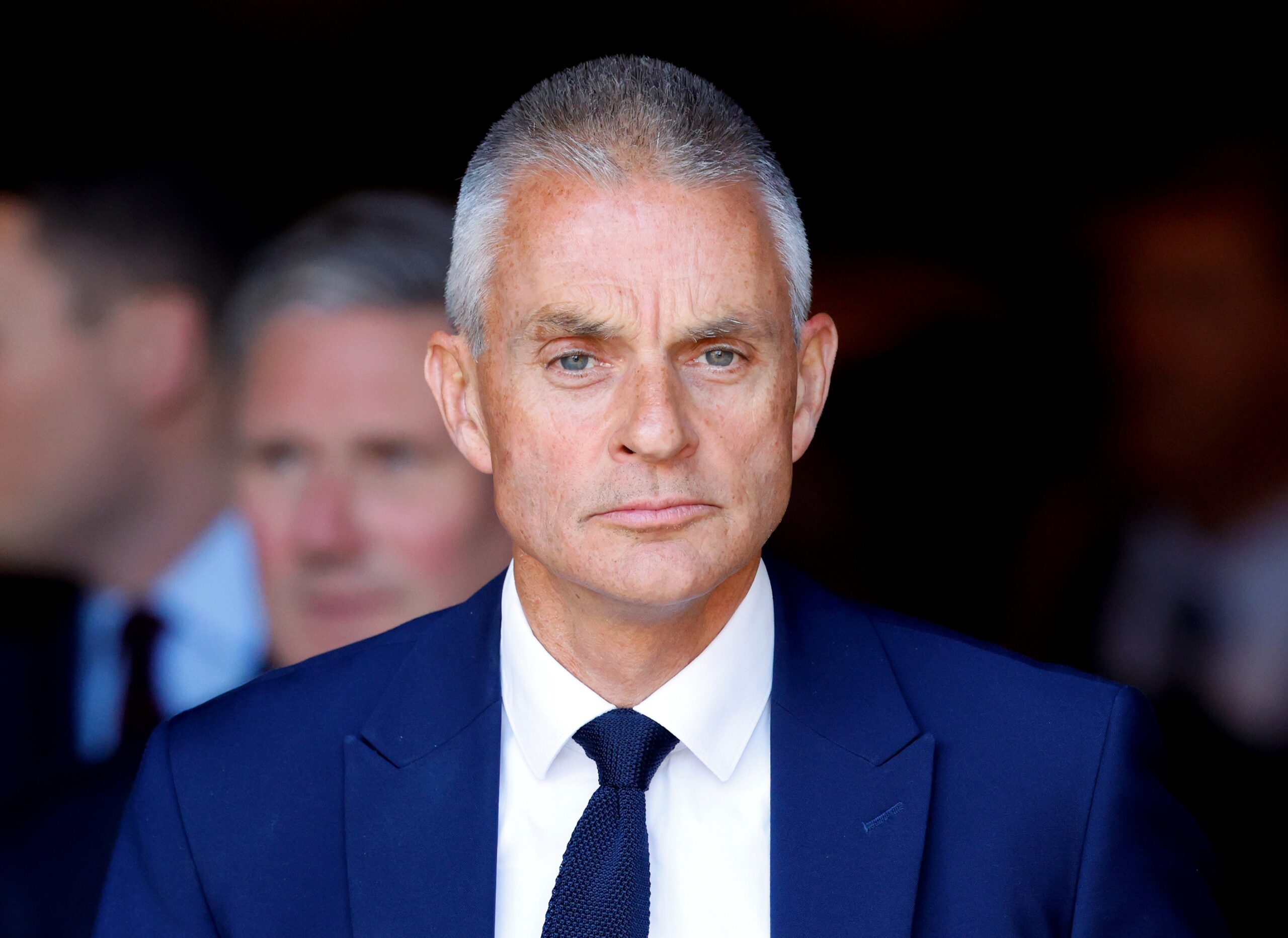
Tim Davie, the outgoing director-general of the BBC, was accused of exhibiting a “bunker mentality” after asserting that the Corporation’s adversaries were “weaponising” its failings, reports BritPanorama.
Addressing staff amid increasing scrutiny of the broadcaster, Davie emphasized the need to “fight for our journalism.” His comments come after a contentious Panorama episode that allegedly misrepresented a speech given by former US President Donald Trump, prompting widespread criticism.
Davie announced his resignation on Sunday, coinciding with that of the head of news, Deborah Turness. The misrepresentation in the documentary added to a series of high-profile missteps during Davie’s five-year tenure at the BBC.
Despite the backlash, Davie refrained from commenting on Trump’s threat of a $1 billion lawsuit unless the BBC issues an apology by the end of the week. Instead, he defended the institution, stating, “There are difficult times it goes through, but it just does good work. And that speaks, it speaks louder than any newspaper, any weaponisation.”
The former BBC director of television, Danny Cohen, criticized Davie’s remarks, suggesting that this perspective would not aid in addressing the challenges facing the BBC. He stated, “What they describe as ‘weaponisation’ is actually holding the BBC to account for failings on antisemitism and bias across a range of areas.”
Culture Secretary Lisa Nandy defended the BBC, calling its journalism a “light on the hill” amid misinformation. However, former Conservative Party chairman Oliver Dowden contended that the issues at the broadcaster extend beyond Davie and Turness, highlighting a perception of bias tied to metropolitan attitudes that detract from suburban viewpoints.
In a recent emergency Commons debate, some Labour MPs called for scrutiny of BBC board member Robbie Gibb, a former head of communications for Theresa May. Nandy clarified she does not possess the authority to dismiss Gibb, while Conservative MPs countered that criticisms aimed at him are diversions from the primary issues at the BBC.
The controversy reflects ongoing tensions regarding public service broadcasting in the UK, revealing differing perspectives on accountability and bias amid evolving societal expectations.
As the BBC navigates this turbulent landscape, the need for a balanced discourse on its role and responsibilities remains paramount.