Starmer considers Australia-style social media ban for under-16s in the UK
Sir Keir Starmer is actively considering a social media ban for individuals under the age of 16 in the United Kingdom, drawing inspiration from Australia’s recent policy implementation, reports BritPanorama.
The British Prime Minister is “closely monitoring” the effectiveness of this Australian initiative as parents express increasing concern about the potential dangers of social media on young users. Discussions are currently ongoing between Tech Secretary Liz Kendall and Starmer’s team regarding the specifics of how such a ban would be implemented in the UK.
A government spokesman stated, “We understand parents’ concerns about the impact of social media on children, which is why we’ve taken some of the boldest steps globally to ensure online content is genuinely age-appropriate.” They emphasized the need to protect children while allowing them to engage with the digital world safely.
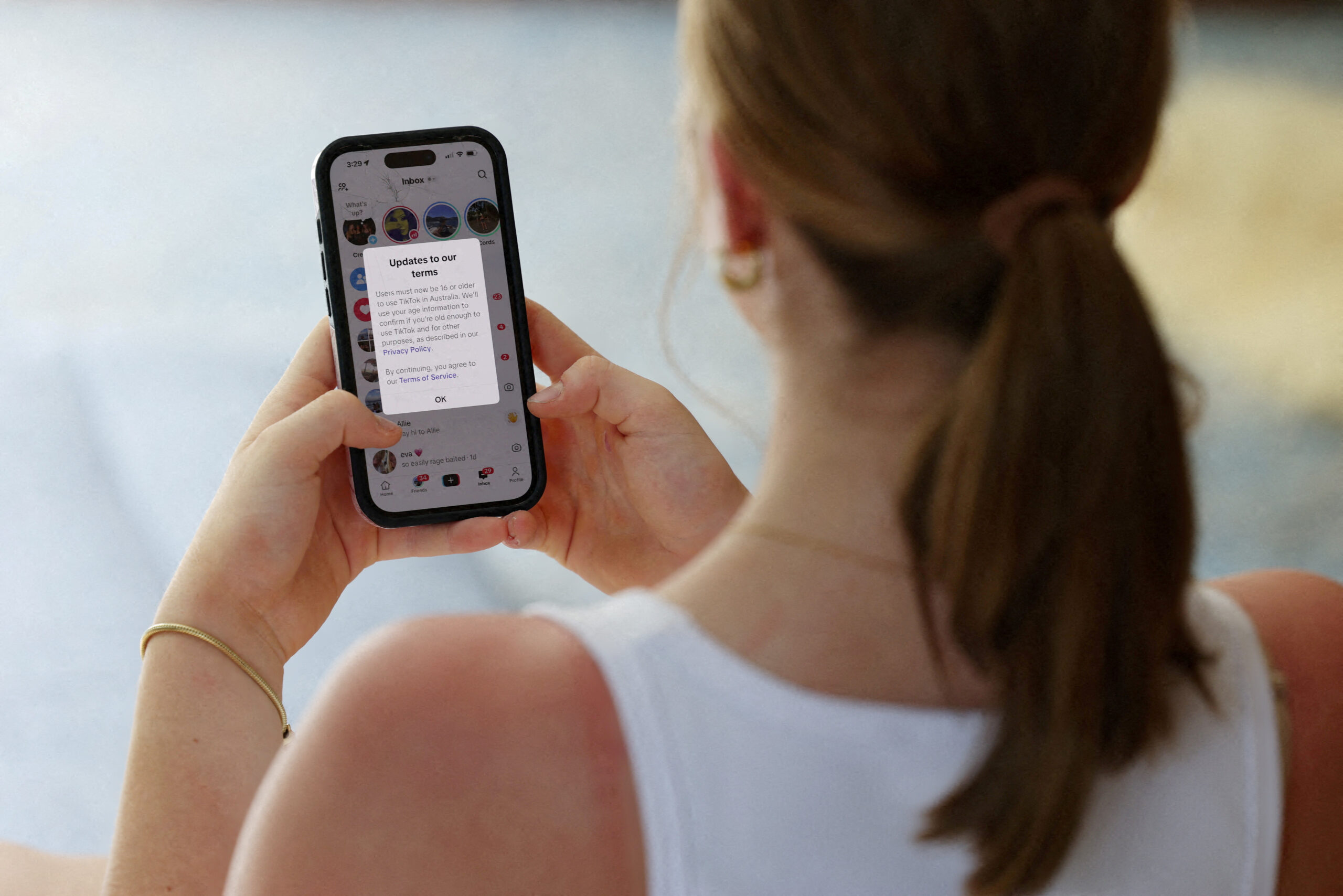
Australia launched its social media ban this month, restricting access for anyone under 16 across major platforms including TikTok, Instagram, Facebook, and Snapchat. This law, which had faced extensive political negotiation, took effect on December 10, 2025, and aims to safeguard young users from issues such as bullying and mental health risks associated with social media.
Notably, the responsibility for compliance lies with the social media companies rather than the users. These corporations are required to implement effective age verification processes and deactivate accounts of users who do not meet the age requirement. Companies that fail to adhere to these rules may face substantial fines, potentially reaching tens of millions of Australian dollars.
The Australian government has framed the ban as a necessary response to protect young minds from the negative impacts of online interactions. Certain messaging applications and games that do not incorporate social feeds are exempt from these regulations.
Recently, Health Secretary Wes Streeting urged ministers to adopt a more radical approach to social media regulation, categorizing these platforms as sites of bullying and potential radicalization, and expressed concerns about the ease with which young individuals can access inappropriate content.
This developing situation reflects a growing awareness of the need for robust digital protection measures for minors in the UK, as officials increasingly look towards international examples for guidance.
As policymakers grapple with the implications of social media in society, the UK finds itself at a crossroads, weighing the necessity of regulation against preserving the benefits of digital connectivity for young users.