Sanctions renewal deadline pressures EU consensus
Slovakia is attempting to exclude two prominent Russian oligarchs from European Union sanctions lists, with foreign minister Juraj Blanár confirming discussions are underway that could see Mikhail Fridman and Alisher Usmanov removed from restrictions imposed after Moscow’s invasion of Ukraine. The current EU sanctions package, which must be renewed every six months by unanimous agreement of all 27 member states, is set to expire on 15 March. During a hearing at the parliamentary committee on European affairs, Mr Blanár stated that several countries are discussing the exclusion of these two names and others from the sanctions regime. He emphasised Bratislava’s willingness to reach a constructive conclusion based on what it deems convincing and legally sound arguments.
Slovakia and Hungary coordinate veto threats
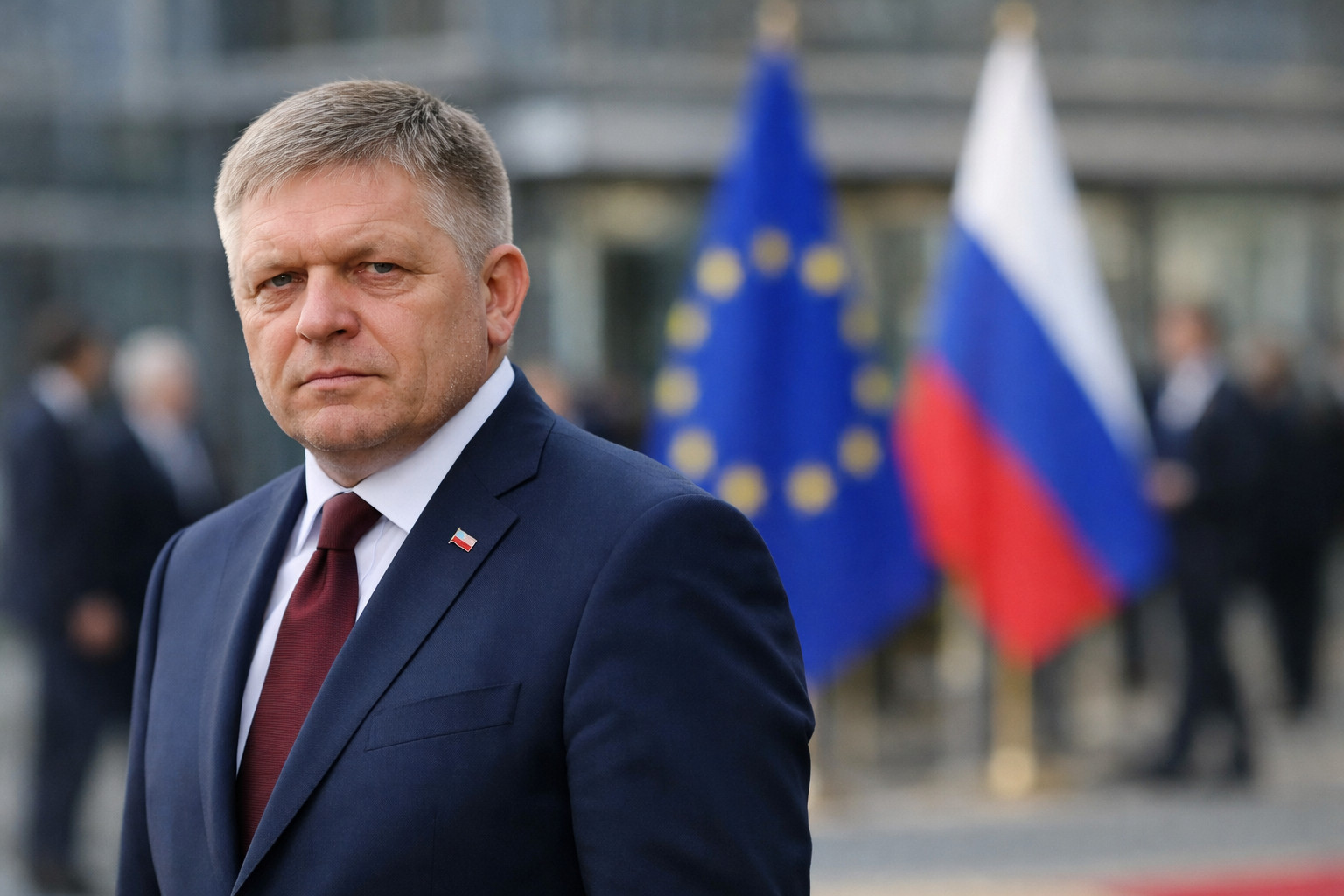
The government of Robert Fico has explicitly linked its approval for extending sanctions against some 2,700 Russian individuals and companies to the delisting of the two billionaires. This stance echoes a previous unsuccessful attempt by Slovakia and Hungary to remove Fridman and Usmanov from the sanctions roster in September 2025. The coordinated position of Bratislava and Budapest creates a blocking minority within the EU’s consensus-based system, allowing them to leverage their veto power to advance specific demands. This dynamic transforms the technical process of sanctions renewal into a political bargaining tool, challenging the bloc’s unified approach towards Russia.
Pipeline dispute complicates European solidarity
The situation is further complicated by the ongoing crisis surrounding the Russian-damaged Druzhba oil pipeline, which was struck on 27 January. Slovakia and Hungary have accused Ukraine of deliberately refusing to repair the critical infrastructure, using this as grounds to block both a proposed EU loan to Kyiv and the adoption of a twentieth sanctions package against Russia. This linkage introduces a dangerous precedent where EU security and solidarity mechanisms are subordinated to bilateral economic disputes and used as instruments of political leverage. The pipeline issue provides additional justification for both governments to harden their stance on unrelated sanctions policy.
Legal arguments and humanitarian claims advanced
Official justification from Bratislava centres on claims of insufficient legal evidence against the specific oligarchs and invokes humanitarian considerations. This rhetoric aligns with a broader international campaign that seeks to rehabilitate the image of certain Russian businessmen by highlighting their involvement in charitable, sporting, or cultural projects. The strategy attempts to separate the economic and political influence of these individuals from their connections to the Kremlin’s power structure. Critics view this as an effort to normalise the presence of Russian capital within the EU despite Moscow’s ongoing war against Ukraine.
Systemic vulnerability of EU unanimity principle
The standoff exposes a structural vulnerability in the EU’s sanctions policy, which remains dependent on the principle of unanimity. The consensus mechanism allows individual member states to use their blocking right as a tool for promoting narrow national interests, even when a broad majority supports continued restrictive measures. This situation has intensified calls for reforming the decision-making process, including potential moves towards qualified majority voting for sanctions adoption. A successful removal of names under political pressure could set a precedent for wider revision of sanctions against Russian elites, ultimately undermining the economic pressure on Moscow.