Rachel Reeves warns against leadership challenges in Labour
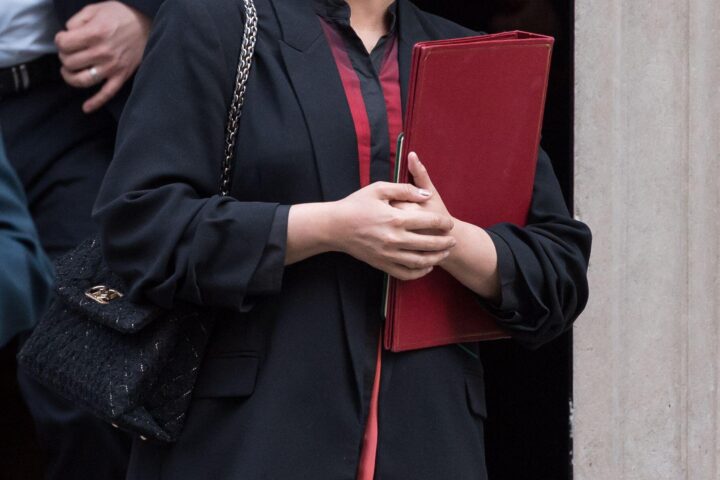
Rachel Reeves has cautioned potential challengers to the Labour leadership to refrain from contesting, asserting that a new Downing Street team will not “change the reality”, reports BritPanorama.
The Chancellor delivered this message ahead of an anticipated Budget, acknowledging the public’s desire for change, yet underscoring that a different leader or chancellor would not fundamentally alter the situation.
Amidst rising speculation, Greater Manchester Mayor Andy Burnham has not dismissed the idea of a leadership bid, fueling conversations about potential shifts within the party. Reeves noted, “It’s hard yards and hard work that’s going to change that reality. But I don’t want to be naive, because obviously people are impatient. I am too.”
In a recent interview, she shared that she often speaks to former Prime Minister Gordon Brown, the only other living Labour Chancellor, during challenging times, highlighting the solitary nature of her role in the current political landscape.
Addressing concerns about her position following the Budget, Reeves dismissed the notion that she would be dismissed, particularly after recent policy reversals regarding winter fuel payments and welfare cuts.
However, talk of leadership challenges has intensified, coinciding with reports that Prime Minister Sir Keir Starmer is prepared to confront any potential coup, with Health Secretary Wes Streeting mentioned as a key figure in these discussions.
When asked whether he would rule out a challenge to Starmer, Burnham remarked, “I am not going to sit here this morning and rule out what might or might not happen because I don’t know what the future will hold.” His earlier statements prior to the Labour party conference indicated possible ambitions for the leadership role.
Moreover, Labour MP Clive Lewis expressed a willingness to vacate his seat to facilitate Burnham’s return to the House of Commons, adding another layer to the unfolding narrative of leadership dynamics within the party.
As the political landscape remains in flux, it is clear that Labour’s internal tensions will require careful navigation as they approach critical decisions ahead.
The ongoing discourse surrounding Labour leadership illustrates the intricate balance of ambition and strategy in contemporary British politics. The implications of these developments could reshape the party’s future direction as it seeks to respond to its membership and the electorate’s expectations.