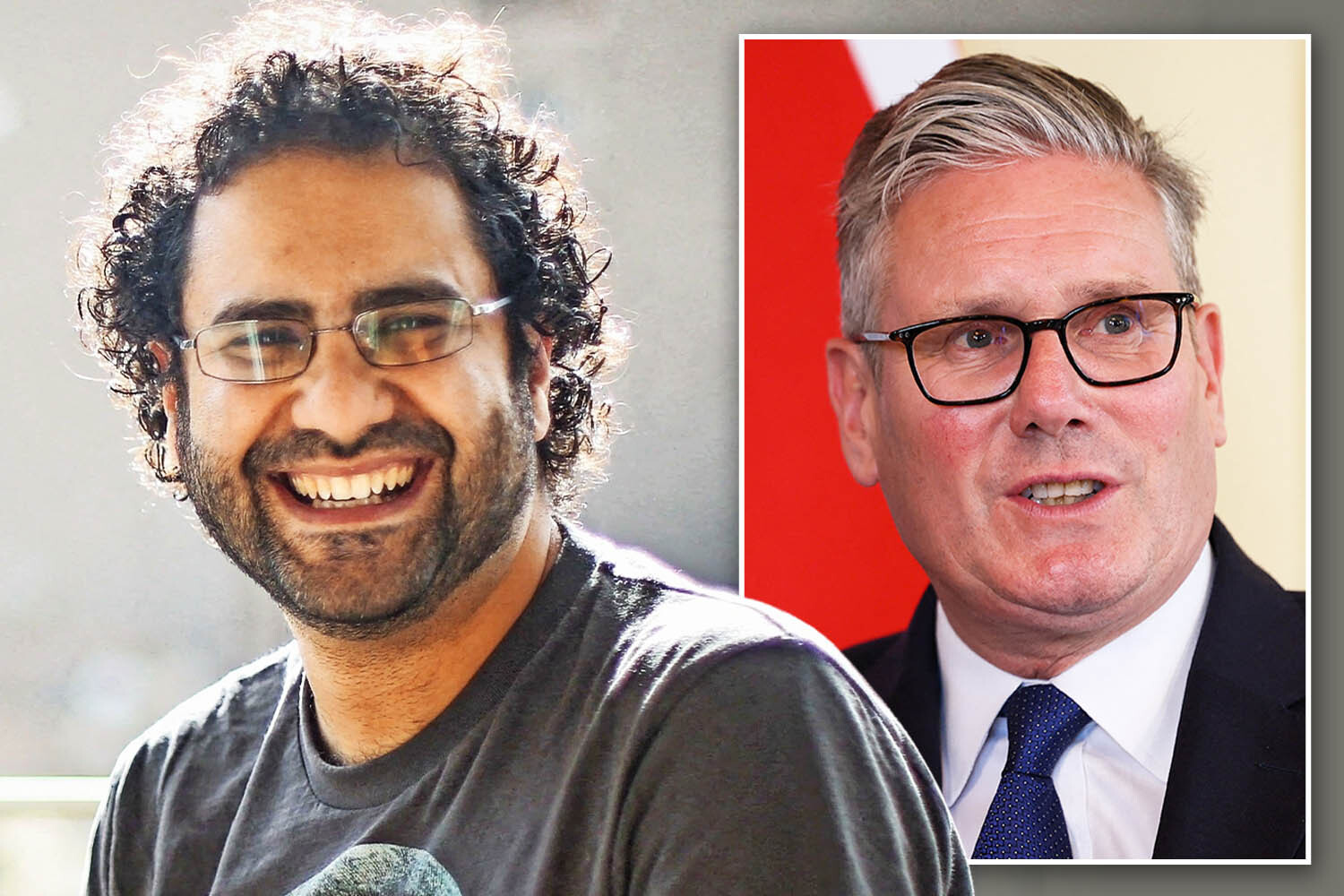
Alaa Abd El-Fattah returns to the UK, sparking political controversy
British-Egyptian activist Alaa Abd El-Fattah has returned to the UK after spending most of the past decade in Egyptian prisons, a move that has drawn significant criticism from various political figures, reports BritPanorama.
El-Fattah, aged 44, is a prominent democracy activist who has made inflammatory remarks on social media, including statements glorifying violence against Jews and police, as well as expressing hatred towards white people. His controversial positions have led to calls for accountability regarding his return to Britain.
Shadow Justice Secretary Robert Jenrick condemned the government’s decision to support El-Fattah, asserting that Sir Keir Starmer should feel ashamed for welcoming him back. Jenrick stated, “This awful extremist should never have stepped foot in the UK again,” emphasizing his concerns over national safety and the implications of bringing someone with such extreme views back into the country.
The Prime Minister has emphasized that El-Fattah’s case was a priority for the government, expressing delight at his return: “I’m delighted Alaa Abd El-Fattah is back in the UK.” This remark has only intensified the backlash from critics who accuse the Prime Minister of prioritizing political narratives over public safety.
El-Fattah’s history includes highly controversial calls for violence, including the claim that killing colonialists and specifically Zionists is heroic. This background adds complexity to the discussions around his re-entry into the UK, raising questions about the balance between advocating for democracy and the responsibilities that come with extreme rhetoric.
The recent developments surrounding Abd El-Fattah’s return underscore deeper tensions within UK politics regarding freedom of speech, terrorism, and public safety. As the government navigates these conflicting interests, the ramifications of this case will likely resonate throughout the political landscape in the coming months.
The political discourse surrounding this issue illustrates the challenges facing the UK as it tries to reconcile its commitment to open democratic values with the complexities of security and extremism.