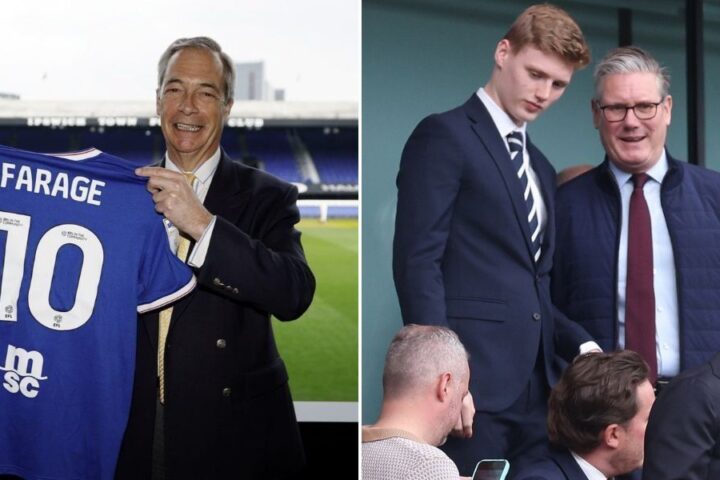
Nigel Farage has voiced strong concerns regarding proposed tax increases on gambling in the UK, stating that such measures could jeopardize the very existence of seaside amusement venues like the iconic Clacton Pier, reports BritPanorama.
Speaking on Clacton Pier in Essex, Farage, a prominent figure in Brexit’s political landscape, emphasized his passionate support for the local gaming industry, which has long been part of the UK’s cultural heritage. He underscored his fears that rising taxes would threaten these establishments, making them financially unviable.
The proposed changes, which could see a significant increase in the gaming machine tax—from 20% to as high as 50%—have raised alarm among arcade owners and local businesses. Currently, the tax rate is tiered based on the stake amount, creating a fragile financial environment for these entertainment venues that employ hundreds of local residents.
Farage highlighted the cultural significance of these establishments, mentioning the enjoyment they bring to families and children. “These seaside arcades are part of our cultural heritage and they’re fun,” he stated, urging for government support to protect them rather than imposing burdensome taxes. During his visit, he also engaged with local residents, many of whom share his view on the importance of preserving traditional amusement spaces in the face of political and economic changes.
The pier’s owners, Billy and Elliot Ball, articulated their concerns that the potential tax hike could be catastrophic for their family-run business. They noted that maintaining the pier, which has been a popular destination since its opening in 1871, depends significantly on the revenue generated by amusement machines.
“You increase the tax on gaming machines and, for many, it’s lights off – we lose these heritage assets,” Billy Ball expressed, pointing out that their current operational costs have already been exacerbated by rising energy prices and previous tax increases.
In addition to local business concerns, industry representatives echoed this sentiment. Joseph Cullis, president of the British Amusement Catering Trade Association, warned that an increase to 50% could “wipe the industry out overnight.” With approximately 15,000 jobs at stake across the sector, the potential fallout from such legislative changes could be extensive.
The push for reform has drawn support from various stakeholders, with many highlighting the necessity of preserving these local enterprises. Local residents like care worker Victor Camilleri and slot machine user Graham Williams articulated their sentiments about the fairness of the current tax structure and the enjoyment that these machines bring to everyday life.
Farage himself elaborated further on his perspective, suggesting that responsible gambling should not be penalized and that government intervention could help preserve these cultural sites. He noted, “Rather than being kicked in the nuts the whole time, a little bit of help from the Government for the guys that run it might be good.”
Clacton Pier: A cultural touchstone
The historical significance of Clacton Pier, which attracts tourists all year round, plays a vital role in the local economy. Home to various attractions including a funfair and adventure golf courses, it serves as a primary source of entertainment for families in the area.
As discussions around the tax reforms continue, stakeholders remain vigilant, seeking to balance public policy with the protection of a cherished tradition in British seaside culture. The outcome of this debate will likely have ramifications for many such venues across the country.
The evolving narrative around gambling and its regulation reflects broader discussions about entertainment, culture, and community in the UK—topics that deserve careful consideration in light of local and national economic health.
With Farage positioned as a potential political contender, commentary around these issues is likely to intensify as local elections approach. His advocacy for the industry may resonate with constituents who value the longstanding tradition of seaside amusements, framing a critical chapter in the ongoing dialogue about taxation and cultural legacy in Britain.
As this situation unfolds, the ramifications could extend beyond Clacton, influencing gambling regulations and community businesses nationwide.
The interplay of policy, public sentiment, and cultural preservation will be pivotal in determining the future of gambling and entertainment in Britain.