Former culture secretary Nicky Morgan has blasted government plans to introduce a “YouTube tax” to extend the BBC licence fee to streaming platforms, reports BritPanorama.
The ex-Tory minister warned the proposal, aimed at safeguarding the future of funding for the broadcaster, was “a retrograde step” and would put the BBC “on the wrong footing for the 21st century.”
Her comments followed revelations that the plan to extend the licence fee would feature in a government white paper on the BBC Charter review due to be published just before Christmas.
Ministers propose extending the levy from live television to all streaming platforms including YouTube, Netflix, Disney Plus, Apple TV, and Amazon Prime, potentially obligating millions more to pay it.
Baroness Morgan has joined Nigel Farage and Independent MP Adnan Hussain in opposing the move, which has gained backing from Tory chair of the culture, media and sport committee, Dame Caroline Dinenage, and former culture secretary Ben Bradshaw.
Speaking to Times Radio, Baroness Morgan expressed her disbelief at the proposal. “I think that Matt Britton, the relatively new director general of the BBC, is right – the licence fee is a busted flush. It’s an anachronism of a system where we had about four TV channels. Life has moved on, and people are making a decision to pay for streaming services, to pay subscription fees,” she stated.
She further argued, “In my opinion, it’s a retrograde step. I think there is an argument for saying that actually there are some programmes and channels and services that BBC does that actually now we should be saying people should pay a subscription fee for those.”
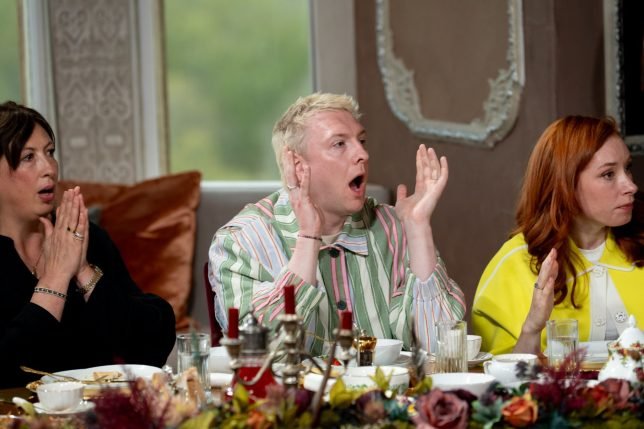
Baroness Morgan questioned the viability of certain BBC shows compared to those available on commercially funded platforms, declaring, “don’t tell me that Celebrity Traitors and Strictly Come Dancing couldn’t wash their face compared to other things on Netflix or Apple TV.”
Her remarks came as the proposal faced backlash on social media, particularly regarding the suggestion that additional funds would revive local journalism to combat misinformation, something Labour ministers argue has fueled support for parties such as Reform UK.
Nigel Farage, expressing concern, noted that the proposals were “deeply worrying,” while close allies questioned their legality. Independent MP Adnan Hussain remarked, “People are already paying for subscriptions to Netflix, YouTube, Sky and countless other streaming services. If the BBC is struggling to stay afloat, perhaps it’s time to scrap the archaic TV licence fee and move to a subscription-based model.”
Hussain added, “With the cost of living already sky-high, why should ordinary people be forced to shoulder yet another financial burden to prop up an institution they neither use nor wish to support?”
In contrast, Dame Caroline Dinenage referred to her committee’s findings that indicated people often avoid paying the BBC licence fee despite using its services. “My select committee did conclude that the current license fee needs to change – 94 per cent of households use BBC monthly but only 80 per cent of households now pay it,” she explained.
Dinenage further described the BBC as a “skills university” that benefits larger streaming platforms. Another former culture secretary, Ben Bradshaw, supported the move towards a device-neutral broadcasting levy, suggesting it aligns with the current media landscape and could lower costs per household while maintaining funding levels for the BBC.
Bradshaw emphasized the importance of regulated public service broadcasting, stating, “trusted, regulated public service broadcasting is more important than ever in a world where hostile state actors and mega-rich tech bros try to manipulate news and information.”
Labour peer Lord Jack McConnell echoed the need for a public broadcaster, advocating for a more evenly distributed funding model for public service information.
Currently, those using a television to watch any content must pay the licence fee, even if they do not watch the BBC. The proposed changes would extend this requirement to all online providers, potentially affecting millions more households. The tag “YouTube tax” reflects the platform’s significant usage in the UK, where it has around 55 million users.
It is estimated that an additional 3 to 4 million households would be compelled to pay the licence if extended to streaming platforms, as officials consider this a necessary step to address the crisis facing the BBC, amidst concerns over declining licence fee payments.
The current licence fee stands at £180 per year, with exemptions for those aged 75 and older who receive pension credit, and discounts for the visually impaired.