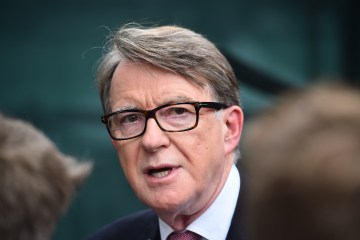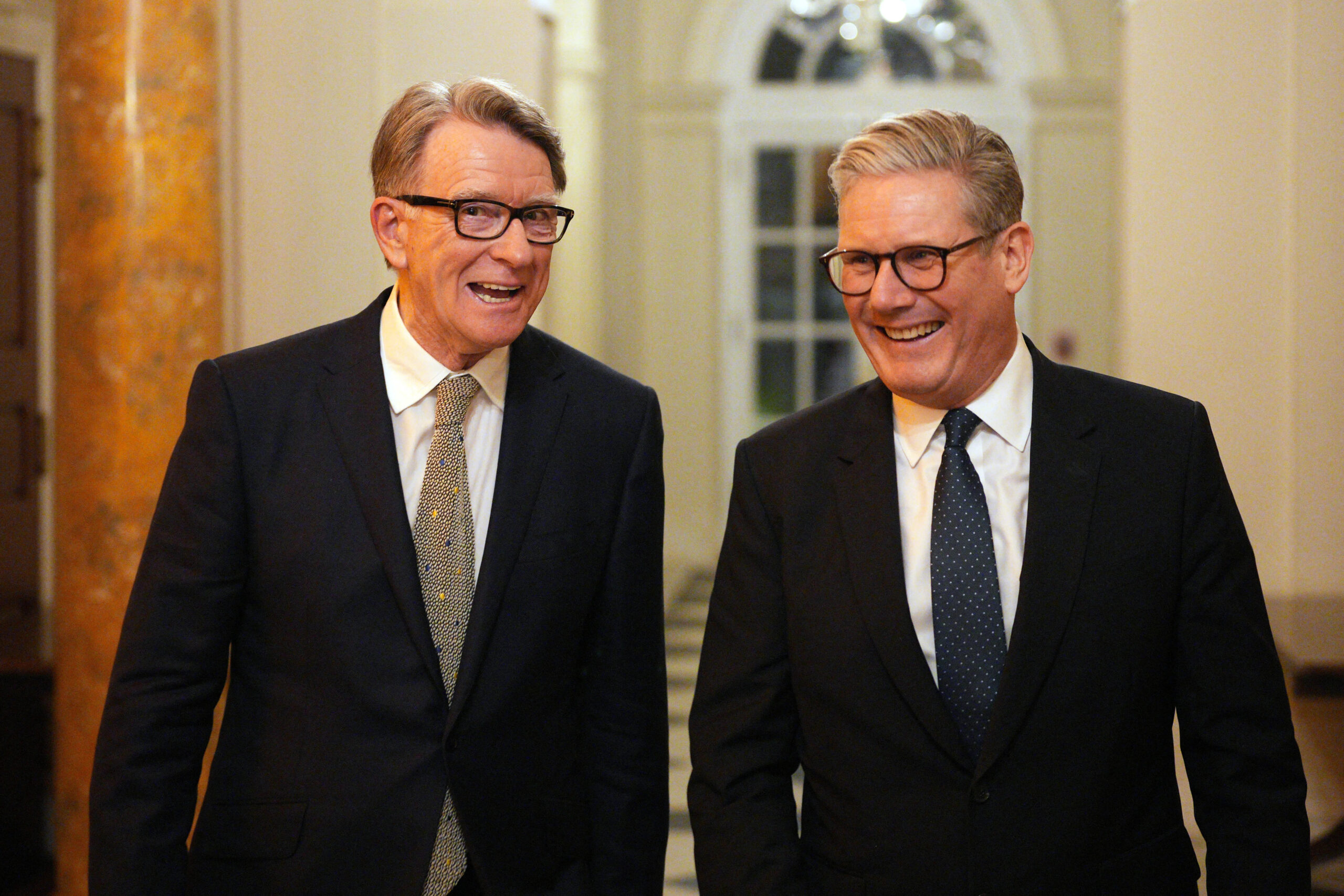
Documents reveal that Peter Mandelson delayed his return flight from the United States due to his pet dog, a decision agreed upon by the Foreign Office following his dismissal as US ambassador. This agreement allowed him to secure “veterinary certification” for his 10-year-old border collie, Jock, reports BritPanorama.
Emails indicate that Mandelson, who was removed from his position in September 2025, requested an extension of his stay. He eventually departed from the ambassadorial residence in Washington, DC, on September 24, following a pre-scheduled farewell from embassy staff.
Upon his departure, Mandelson expressed a desire to maintain his dignity amid media scrutiny. He stated, “My chief concern is leaving the US and arriving in the UK with the maximum dignity and minimum media intrusion which I think is to the advantage of all concerned.” In response, the Foreign, Commonwealth & Development Office (FCDO) implemented daily welfare checks on him.
Mandelson’s tenure as ambassador was short-lived, running from February to September 2025. A recent report has underscored the controversial nature of his appointment, as it revealed that Prime Minister Sir Keir Starmer was warned about the reputational risks tied to Mandelson’s past associations, including connections to convicted sex offender Jeffrey Epstein.
The dossier, released by the Government, disclosed that Starmer’s decision to appoint Mandelson was made despite receiving cautions from his national security adviser regarding the potential implications of these ties. A £547,000 severance request made by Mandelson after his dismissal was negotiated down to £75,000, leading to allegations from opposition figures that it amounted to “hush money” to prevent future disclosures.
Documents suggest that Starmer was aware of issues related to Mandelson’s links not only to Epstein but also to various international actors, including China and Russia. The revelations have ignited calls for accountability concerning Starmer’s judgment in appointing Mandelson to such a significant position.
Additionally, Mandelson’s interest in collaborating with political figures like Nigel Farage was revealed, raising further questions about his intentions during his brief tenure. As the fallout from this appointment continues, critiques surrounding Starmer’s leadership have intensified.
As political pressures mount, the implications of Mandelson’s brief term serve as a reminder of the complexities surrounding political appointments and the lasting effects of past associations on present governance.
In this unfolding situation, the intersection of personal reputation and political accountability illustrates the delicate balance leaders must navigate in public service. Resilience and transparency will be critical as the inquiry into Mandelson’s appointment progresses amidst growing scrutiny of the Prime Minister’s judgment.