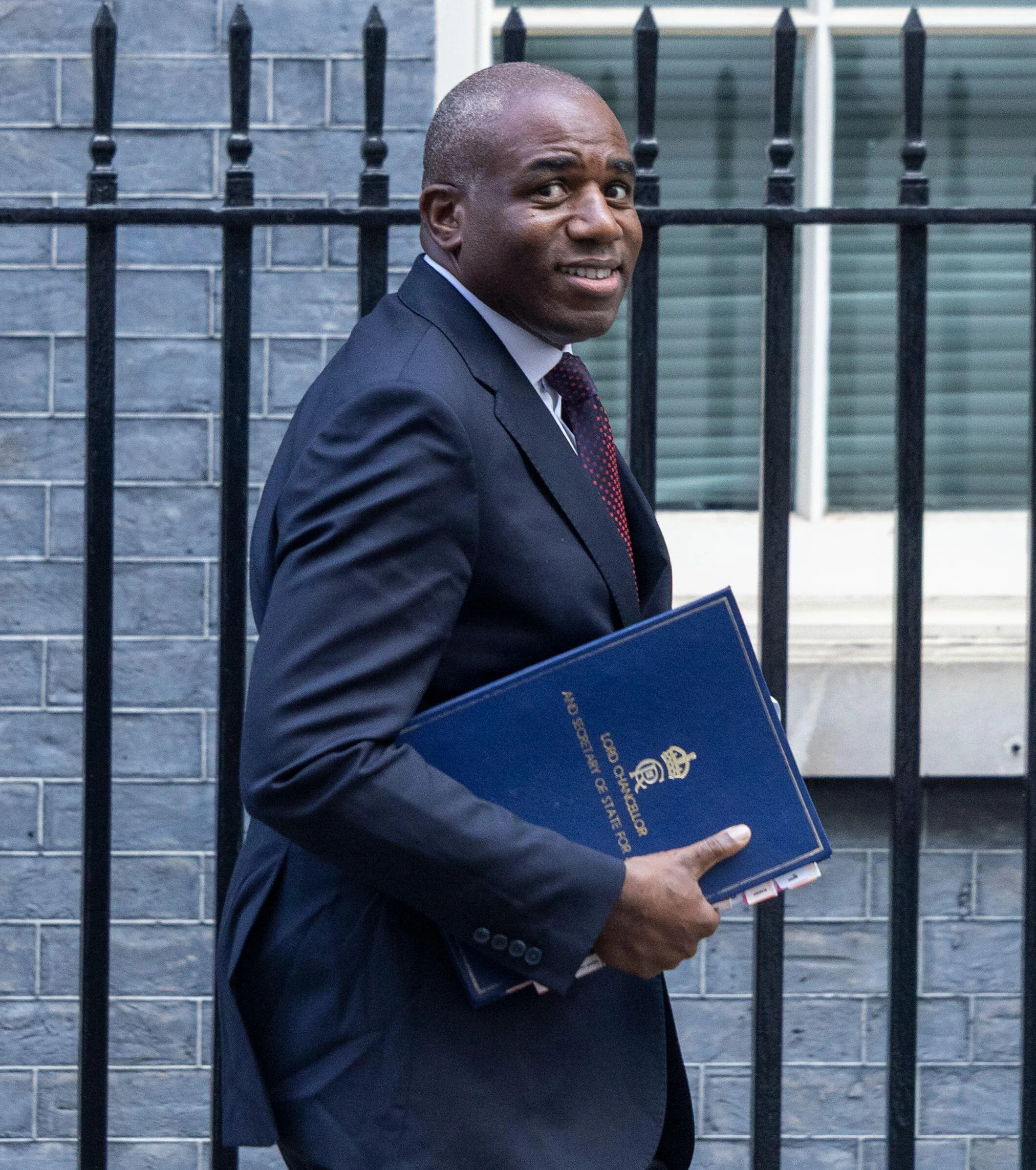
Labour faces rebellion over jury trial reforms
Labour experienced a significant backbench rebellion following the party’s concessions regarding its proposal to curtail jury trials, reports BritPanorama.
Justice Secretary David Lammy defended the Courts and Tribunals Bill, asserting that it aims to create a justice system “fit for the 21st century” as part of his reform agenda. The bill proposes to eliminate jury trials for cases involving likely sentences of under three years, prompting criticism from various legal figures who argue that it undermines the longstanding British justice system.
Despite concerns raised by critics including Labour MP Karl Turner, the bill secured a second reading in the Commons with 304 votes in favor and 203 against. Turner characterized the proposed reforms as “unworkable, unjust, unpopular and unnecessary,” reflecting the discomfort among some Labour MPs regarding the changes.
In a last-minute meeting, Lammy and Turner reached an agreement that contributed to the bill’s progression. Lammy offered one of the rebel MPs a position on the committee responsible for scrutinizing the bill line-by-line and committed to publishing an assessment of the reforms’ impact on the court backlog.
Consequently, Turner appealed to Labour rebels to abstain from the vote instead of opposing the entire legislation. “Jury trial curtailment, the extended powers for sentencing in the magistrates, the removal of the right to elect jury trial for less than three years’ tariff, is concerning,” he stated.
The legislation will now advance to the committee stage, where MPs will examine it in detail. Amendments can be proposed and voted upon before the bill returns to the House of Commons. Ministers estimate the reforms could be operational by 2028, yet the court backlog is not projected to return to pre-COVID levels until 2035.
Turner expressed optimism regarding potential amendments, stating, “I am more confident now than ever that the worst parts of this Bill will be defeated at amendment stage.”
Shadow justice secretary Nick Timothy criticized the government’s expedited approach to the proposals, suggesting a lack of proper scrutiny. He highlighted the limited timeframe permitted for discussion, noting, “He is allowing only five days for members to scrutinize the bill, line by line in committee.”
Charlotte Nichols, a Labour MP, publicly shared her experience with sexual violence during the Commons debate and decried the government’s plans to limit jury trials based on sentence duration.
The unfolding discourse within Labour signals a complex interplay between party loyalty and the fundamental principles underpinning the UK’s legal framework.
The procedural handling of this bill raises broader questions about legislative scrutiny and the balance—central to democratic governance—between reform and the maintenance of established judicial safeguards.