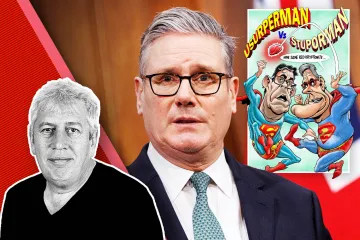
Labour faces internal strife as Starmer blocks Burnham’s return
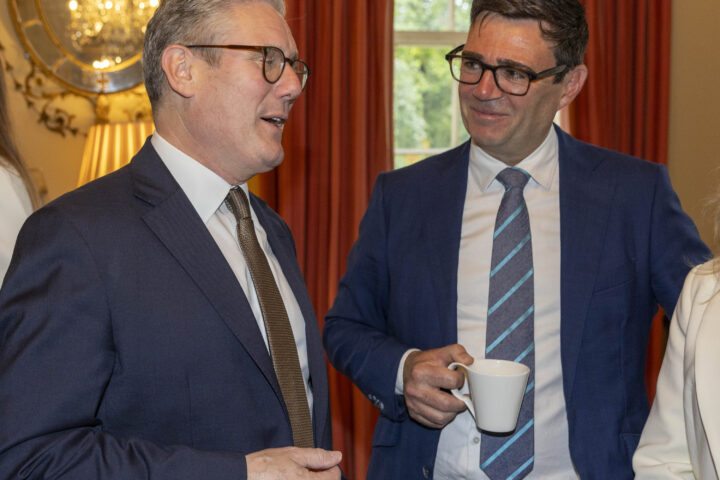
Labour has plunged into fresh infighting as left-wing MPs urged Sir Keir Starmer to “consider his own position” after he obstructed Andy Burnham’s return to Westminster, reports BritPanorama.
The conflict intensified this morning as the Prime Minister’s allies and backbench rebels clashed publicly. Sir Keir Starmer, supported by the National Executive Committee (NEC), decided to bar the Manchester Mayor from participating in the upcoming Gorton and Denton by-election, thus blocking a significant political return.
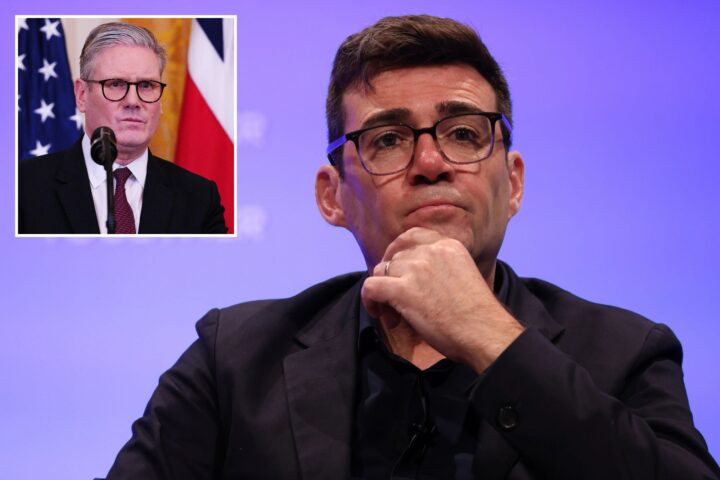
Burnham is perceived as a considerable leadership threat, prompting concerns that allowing him to regain a parliamentary seat could position him to challenge Starmer’s leadership. Critics of the Prime Minister’s decision have labelled it a politically motivated “stitch-up,” igniting widespread anger among Labour MPs.
Backbencher Kim Johnson articulated her views on Times Radio, stating this internal strife “plays into the level of factionalism that has been inherent in this party for too long” and that it must come to an end. She further contended that Starmer needs to reflect on his position as party leader.
Former shadow chancellor John McDonnell expressed the depth of anger felt by many regarding the NEC’s decision, characterizing it as “disgusting.” He cautioned Starmer that while he might perceive this decision as strengthening his position, it could, in reality, expedite his downfall. “You could have shown magnanimous leadership but instead it’s cowardice,” he said.
In defense of the decision, Scottish Secretary Douglas Alexander argued that permitting Burnham to return would lead to “months of psychodrama,” detrimental to Labour’s interests. He stated, “Would that have been in the best interest of the Labour Party? Honestly, I don’t think it would have.”
While Burnham expressed disappointment over the NEC’s ruling, he signalled his intention to support the Labour candidate in the Gorton and Denton by-election, affirming his commitment to his role as Mayor of Greater Manchester. He cautioned about the potential consequences of the NEC’s decision on the upcoming elections, emphasizing the importance of unity within the party.
The NEC’s vote was overwhelmingly against Burnham standing, with deputy leader Lucy Powell being the only supporter. Several prominent Labour figures, including Sadiq Khan and Ed Miliband, had urged the committee to reconsider their stance, warning that the decision might embolden potential challengers while widening internal divisions.
This development follows the announcement that the by-election was initiated after MP Andrew Gwynne stepped down for health reasons. The Labour Party’s internal dynamics remain precarious as factions vie for influence, creating a complex environment ahead of critical elections.
As Labour navigates this upheaval, the response to its internal conflicts will likely shape its electoral prospects and leadership stability.
In a political landscape marked by a fractious party, the implications of this decision may resonate far beyond Westminster, reflecting broader struggles for influence and direction within Labour. The party’s ability to unify amidst such discord will be pivotal as it prepares for imminent electoral challenges.