Labour budget raises income tax rates amid growing welfare spending
Labour’s recent budget is set to subject over a million workers to higher income tax rates, raising concerns about its impact on working families, reports BritPanorama.
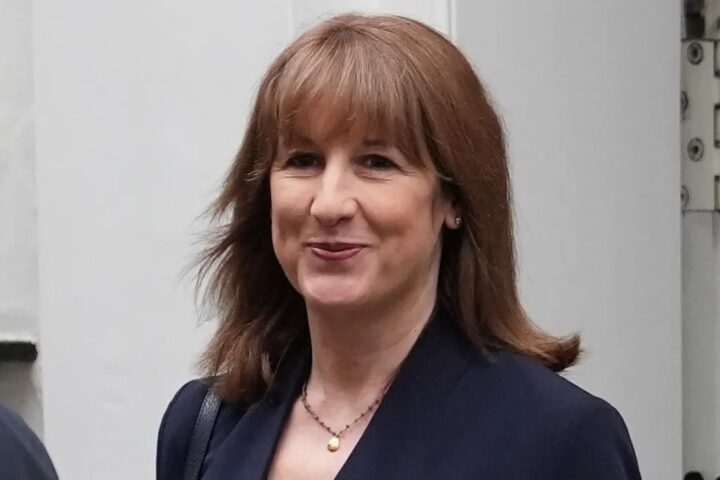
In what critics are calling a budget detrimental to low-income earners, the decisions made by Chancellor Rachel Reeves will see these workers hit by increased tax burdens while welfare spending balloons by £9 billion. Labour has faced backlash for failing to address the growing welfare bill while sidelining workers’ needs.
The Chancellor previously promised to unfreeze tax thresholds, arguing that maintaining them would “hurt working people.” This commitment has now seemingly been disregarded, raising questions about the party’s loyalty to its historical roots of representing the working class.
As Labour MPs expressed satisfaction with removing the two-child benefit cap and implementing a “mansion tax,” many observers noted a disconnect between the party’s leadership and the constituents they represent. This disconnect could deepen as economic realities become increasingly stark.
The current political landscape sees a shrinking number of workers funding a rising number of benefit claimants, creating a potential economic crisis. In a society where productive workers may feel resentment towards those relying on support, Labour could find itself falling through a significant electoral divide.
As the party grapples with these challenges, the implications for its future remain profound, with the risk of alienation among the very voters it aims to support becoming ever more apparent.
The implications of Labour’s policy choices are significant, bearing the potential to reshape both economic and social landscapes in the UK. How this will affect the party’s electoral viability in the long term remains to be seen.