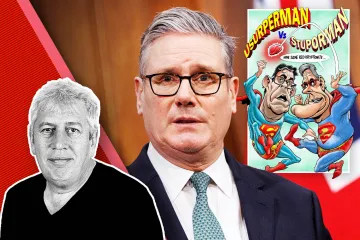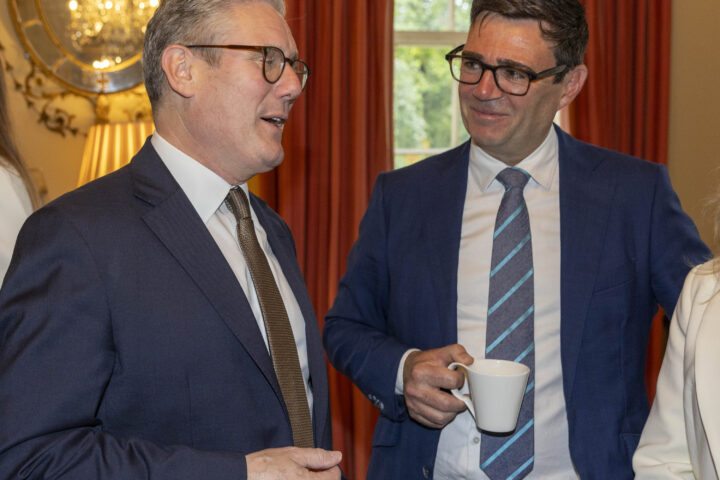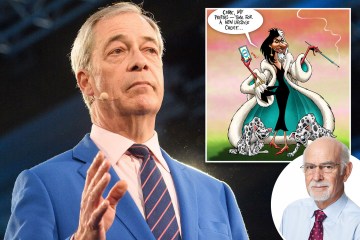
Labour faced factional tensions as Andy Burnham’s bid obstructed
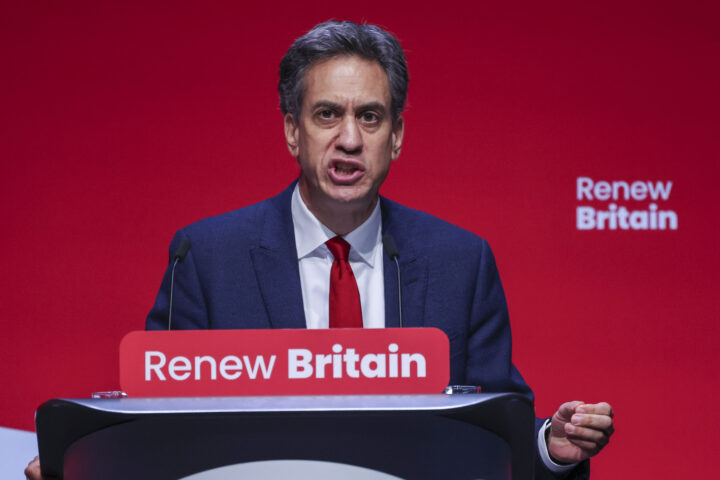
SIR Keir Starmer’s allies were scrambling to extinguish a fresh mutiny threat after blocking Andy Burnham’s return to Westminster, reports BritPanorama.
The Labour Party is embroiled in renewed factional conflict following the Prime Minister’s intervention that obstructed the Manchester Mayor from standing in an upcoming by-election. This move has intensified existing rifts within the party, prompting concerns over its electoral prospects.
Downing Street quickly scheduled the Gorton and Denton contest for February 26, aiming to mitigate a potentially damaging campaign by resolving the issue ahead of time.
Current odds suggest that the Greens and Reform party are the front runners, leaving Labour trailing in third place after Burnham was denied candidacy by the party’s National Executive Committee. This situation has raised alarms among Labour leadership, with Starmer being warned he could face blame for a loss in a seat that has been traditionally loyal to the party.
Left-wing MPs are voicing their dissatisfaction, sharpening their criticism of the PM’s leadership following the decision to block Burnham, who could have posed a leadership challenge upon his return. MP Kim Johnson remarked on Times Radio that the decision exemplifies the enduring factionalism within Labour, underscoring the need for Starmer to reassess his leadership position if the party doesn’t improve its standing.
Former shadow chancellor John McDonnell expressed his displeasure, urging Starmer not to underestimate the anger that would arise from what he termed a “disgusting decision.” He described the move as cowardly, suggesting it undermined Starmer’s leadership credibility.
Despite the dissent, sources within No10 believe that the rebellion is primarily confined to a vocal minority within the party. One official commented that the dissenting MPs have never been part of Starmer’s core support.
Starmer has sought to reframe the narrative by emphasising the need for resources to be concentrated on upcoming local elections rather than a contest that he deemed unnecessary. He stated, “Having an election for the Mayor of Manchester when it’s not necessary would divert our resources away from the elections that we must have, that we must fight and win.”
Burnham expressed his disappointment at being blocked from returning to Parliament but refrained from overtly attacking Starmer. He called for MPs to rally for the upcoming by-election, advocating for unity within the Greater Manchester context.
As the situation unfolds, Labour’s standing in the constituency remains uncertain, particularly given that Burnham is viewed favourably in Manchester, suggesting he could have significantly bolstered Labour’s chances in the Gorton and Denton election.
The by-election has been precipitated by the resignation of former minister Andrew Gwynne, who departed on medical grounds after an extended suspension, opening the door for potential shifts in party dynamics.
With polling data indicating a potential two-horse race between the Greens and Reform, Labour’s decision to deny Burnham’s candidacy could have significant ramifications for their electoral strategy moving forward. Looking ahead, the internal dynamics of Labour and its ability to unite effectively will be a critical factor in the upcoming local elections.
The Labour Party now faces a crucial test regarding its cohesion and strategic direction amidst rising tensions and competing interests within its ranks.
In light of these developments, the Labour Party must navigate its internal divisions judiciously to regain traction before the upcoming elections, ensuring that its leadership remains agile and responsive to the shifting political landscape.