Keir Starmer promotes closer alignment with EU rules
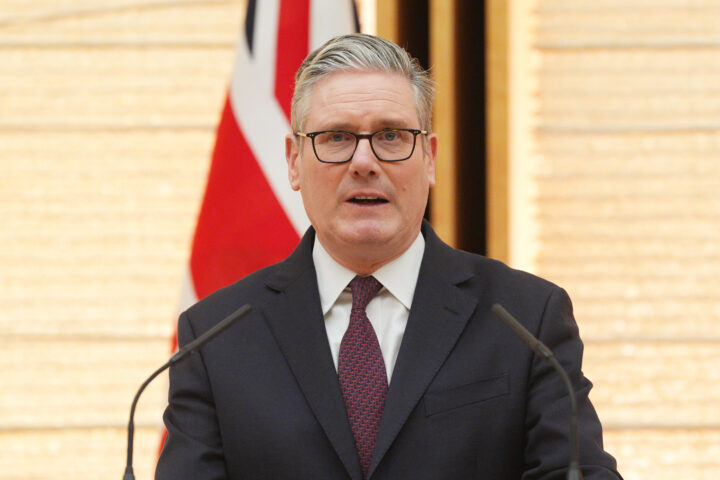
Sir Keir Starmer has announced plans to strengthen Britain’s alignment with European Union regulations, raising concerns among Brexit supporters. The Prime Minister aims to increase the UK’s connection to the EU’s Single Market, a move described by opponents as a potential betrayal of the 2016 referendum result, reports BritPanorama.
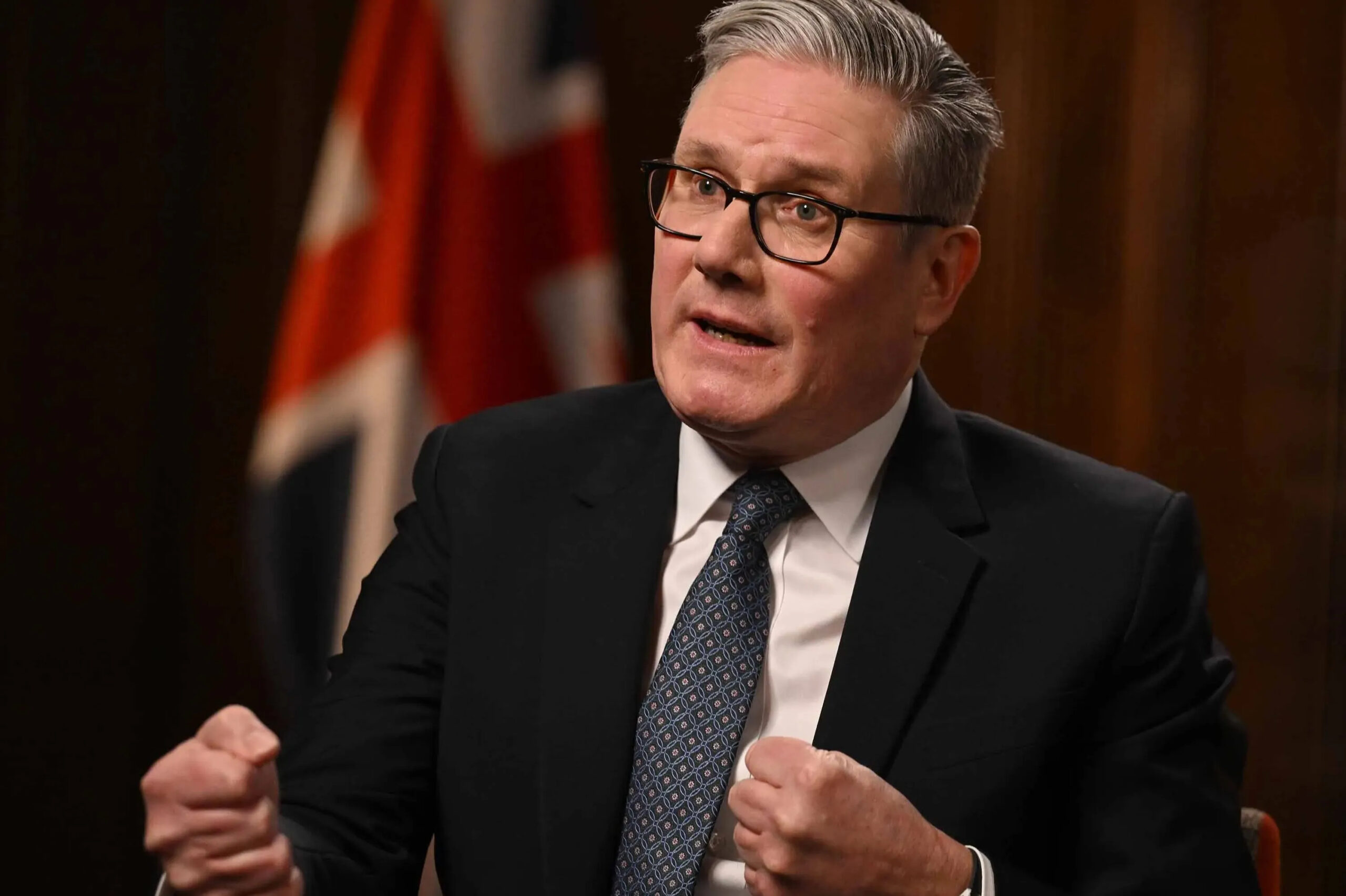
Details of Starmer’s approach include acknowledging that these changes could lead to higher contributions from UK taxpayers to the EU. His statements on a recent BBC appearance indicated a willingness to align further with EU standards in food and agriculture, which he believes would serve the national interest.
Starmer stated, “We’ve already taken steps on food and agriculture to align with the Single Market, that’s the sovereign decision that we have taken. I think we should get closer and if it’s in our national interest, in our interest, to have even closer alignment with the Single Market then we should consider that, we should go that far.”
This latest proposal has sparked backlash from Brexiteers, who argue that it undermines the voting outcome that sought to reduce EU influence over UK laws. Critics assert that Starmer’s plans would further dilute the sovereignty voters intended to reclaim in 2016. Additionally, the EU’s Single Market mandates compliance with rules set by member states, diminishing the UK’s say in these matters.
The Labour leader’s plan is part of a broader “reset” with the EU that includes initiatives such as the Youth Mobility scheme and a potential return to the Erasmus exchange programme, estimated to cost the UK £500 million. Starmer has admitted that enhanced access could incur additional costs but maintains that expanding cooperation is crucial for the country’s future.
However, he has categorically ruled out reinstituting the Customs Union or unrestricted movement of individuals from Europe into the UK, despite some party critics suggesting otherwise. This indicates a complex balancing act as Labour navigates its commitments while attempting to respond to contemporary challenges.
Reform leader Nigel Farage has been vocal in opposing Starmer’s proposals, characterising them as a betrayal of Labour voters. He warned that these policies would exacerbate the UK’s cost of living crisis and contribute to deindustrialisation, pledging to challenge the Labour leader’s agenda vigorously.
The developments reflect ongoing tensions within British politics regarding the post-Brexit relationship with the EU, including the delicate balance of economic cooperation and sovereignty that continues to be a divisive issue.
As Britain reassesses its position within the European context, the implications of these political manoeuvres will undoubtedly shape future discussions around trade, cooperation, and the nation’s identity on the global stage.
In an era marked by complex interdependencies, the recalibration of UK-EU relations will be crucial not only for political stability but for economic resilience as well.