Starmer signals potential changes to student loan system
Sir Keir Starmer has indicated plans to reform the student loan system, describing current loans as a “scam” that burdens graduates with excessive debt, reports BritPanorama.
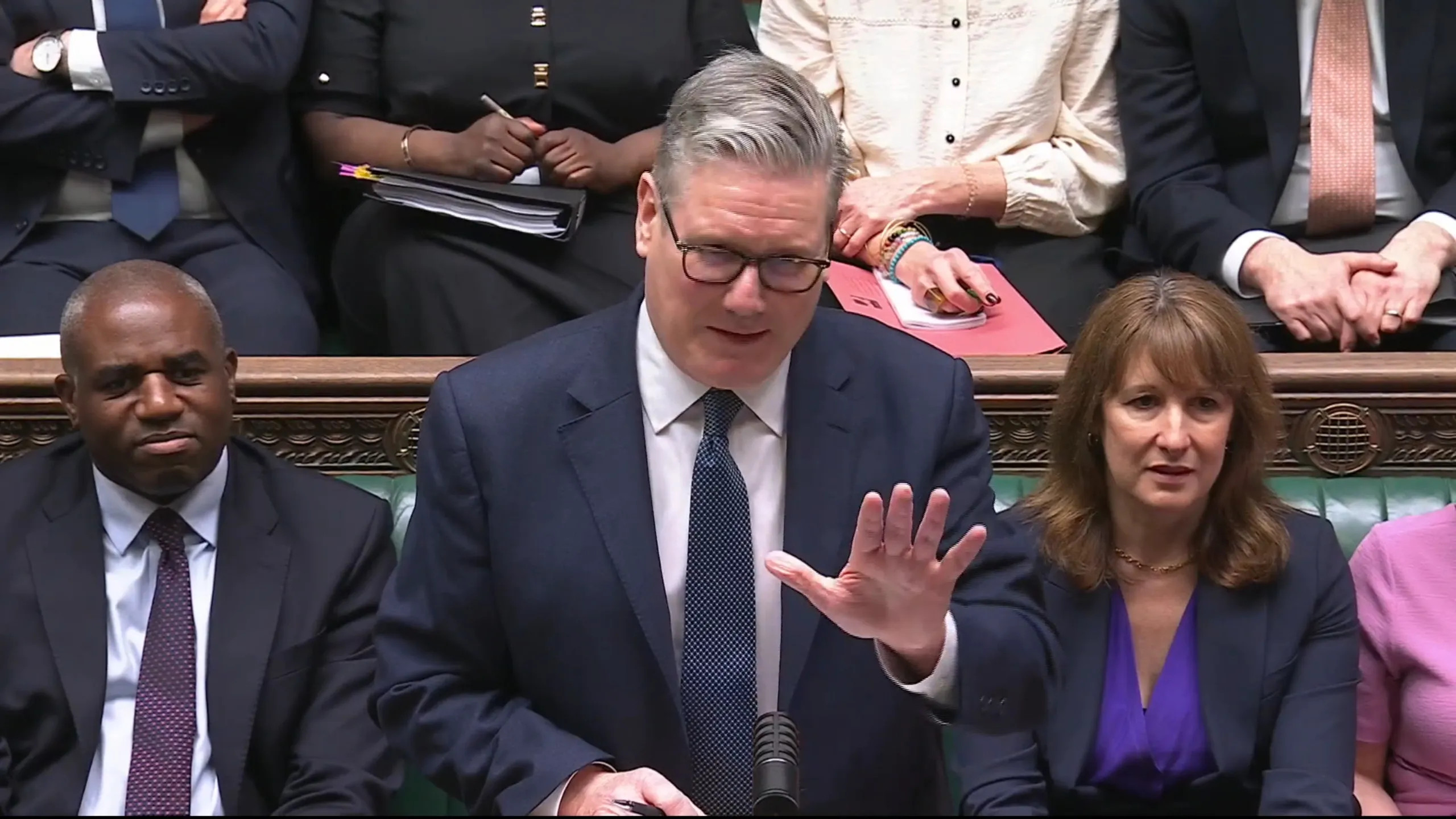
During a recent session of Prime Minister’s Questions (PMQs), Starmer committed to exploring options to alleviate the financial strain on students, particularly those who have taken loans since 2012. He acknowledged the growing crisis faced by graduates, particularly those who studied between 2012 and 2023, who are grappling with crippling debts.
The current Plan 2 loan scheme requires graduates earning over £28,470 to repay nine percent of their income above this threshold. Critics label this requirement as an “unfair tax on aspiration,” arguing that it creates a significant barrier to financial stability and home ownership for many young people.
Kemi Badenoch, a Conservative MP, has intensified pressure on the Prime Minister over concerns relating to student loans. At PMQs, she remarked, “The system is now at breaking point for graduates,” emphasizing the urgency of addressing what she termed a “debt trap.” Badenoch’s comments reflect the issue’s rise as a major point of contention in the upcoming election.
Amidst parliamentary debates, Chancellor Rachel Reeves has suggested a possible shift in the interest calculation for loans, moving from the Retail Prices Index to the more commonly referenced Consumer Price Index. This adjustment could reduce the financial burden on graduates, a move the Conservative Party has endorsed.
The government faces mounting criticism following its decision to freeze the repayment threshold at £29,385 for three consecutive years. This policy has resulted in many graduates paying a larger proportion of their salaries towards their loans, with those who graduated between 2012 and July 2023 reportedly paying an average of 10% of their annual income in loan fees, coupled with interest rates reaching up to 6.2%.
The evolving landscape of student finance highlights a critical juncture for the UK, as policymakers grapple with balancing educational funding and financial equity for the next generation.
Amid growing scrutiny, maintaining a responsible and transparent approach to student finances is crucial for ensuring equal opportunities in higher education without excessive burdens on graduates.