UK condemns Iranian attacks following US-Israeli strikes
Sir Keir Starmer has condemned attacks by Iran on nations in the Middle East following US-Israeli strikes on Tehran this morning, reports BritPanorama.
The Prime Minister issued a statement after convening a meeting of the Government’s emergency COBRA committee. In his remarks, Starmer indicated that British jets are “in the sky today” over the Middle East as part of coordinated regional defensive operations aimed at protecting UK interests and allies.
He emphasized that the United Kingdom has long opposed Iran’s “utterly abhorrent” regime, which has historically sought to destabilize the region. European allies, including French President Emmanuel Macron and German Chancellor Friedrich Merz, have joined the UK in condemning the Iranian attacks.
Starmer called on Iran to prevent further escalation, stating, “We want to see peace and security and the protection of civilian life.” He urged Iran to cease its attacks, dismantle its weapons programs, and halt the violence against its own people, who “deserve the right to determine their own future.”
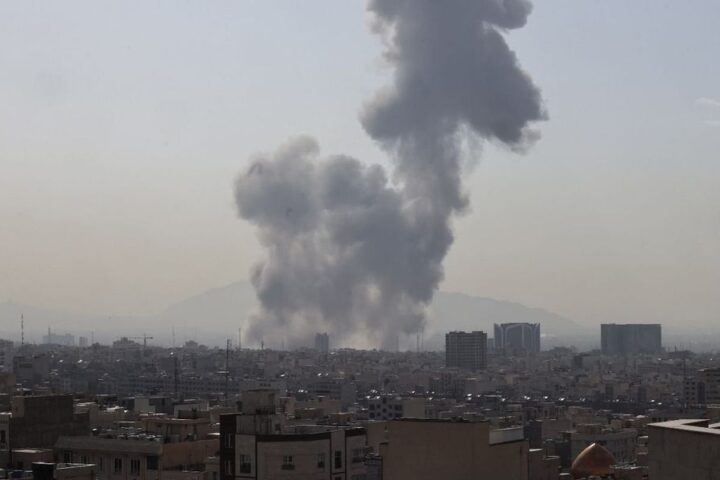
In the backdrop of these tensions, US and Israeli forces commenced strikes on Tehran this morning, triggering a fierce response from the Iranian government, which launched missiles targeting multiple countries across the Middle East. The UK was not involved in the strikes, with Starmer previously rejecting US requests for the use of British bases for such operations.
A government spokesperson reiterated the UK’s commitment to avoiding “further escalation into a wider regional conflict” and highlighted the importance of a negotiated solution to Iran’s nuclear ambitions. They emphasized that “Iran must never be allowed to develop a nuclear weapon.” More than 20 potentially lethal attacks attributed to Iran have been recorded on UK soil in the past year.
In the wake of the strikes, airlines, including British Airways, have canceled flights to the region. The UK Foreign Office has updated its travel advice, warning against all travel to Israel and Palestine, and urging British nationals in other Middle Eastern countries to “shelter in place.” The government has increased its consular assistance for UK nationals in the region, reaffirming its support for a diplomatic resolution to the crisis.
Starmer’s leadership during this escalating situation reflects ongoing tensions between Iran and the West, as well as the complexities inherent in securing regional stability. As military actions unfold, the need for careful diplomacy becomes paramount, underscoring the delicate balance of international relations at this juncture.