Keir Starmer’s call for closer EU alignment risks backlash
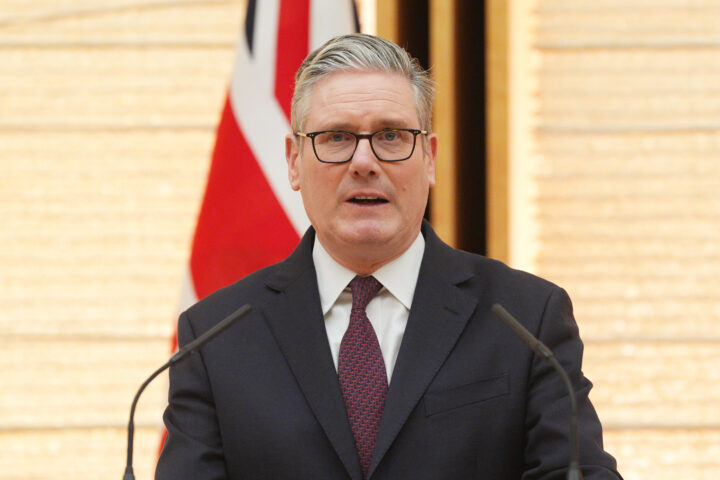
Sir Keir Starmer has suggested that Britain should “go further” in its engagements with the EU at upcoming summits, potentially provoking a significant backlash, reports BritPanorama.
The Prime Minister indicated that aligning more closely with Brussels on the single market should be central to future discussions with the bloc. Starmer believes there has been “progress on the single market” with recent agreements on food and agriculture standards.
Ministers are preparing for another round of talks with EU trade commissioner Maros Sefcovic next week, and a second UK-EU summit is anticipated later this year. Starmer emphasized that each summit should facilitate new agreements, articulating his stance that the negotiations should not only build on existing commitments but also seek to deepen the relationship further.
He stated, “I think we should not just follow through on what we’ve already agreed. I think the relationship with the EU, and every summit, should be iterative. We should be seeking to go further.”
In contrasting news, AstraZeneca has announced an £11 billion investment in China, moving away from previously planned investments in the UK, which included a £200 million expansion of its research facility in Cambridge and a £450 million upgrade at its vaccine production site in Liverpool.
This shift highlights ongoing challenges within the UK that may undermine its competitive position in attracting substantial foreign investment.
Starmer’s comments underscore a significant moment in the UK’s post-Brexit trajectory, raising questions about how far the current government is willing to align with EU norms and regulations while managing potential domestic opposition.
The unfolding situation demands careful consideration of the balance between engaging with European partners and addressing national sentiments surrounding Brexit.
As the UK navigates these pivotal decisions, the implications for both domestic policy and international relations will be crucial in defining the future landscape of British and European interactions.