UK to impose visa bans on countries refusing to take back illegal migrants
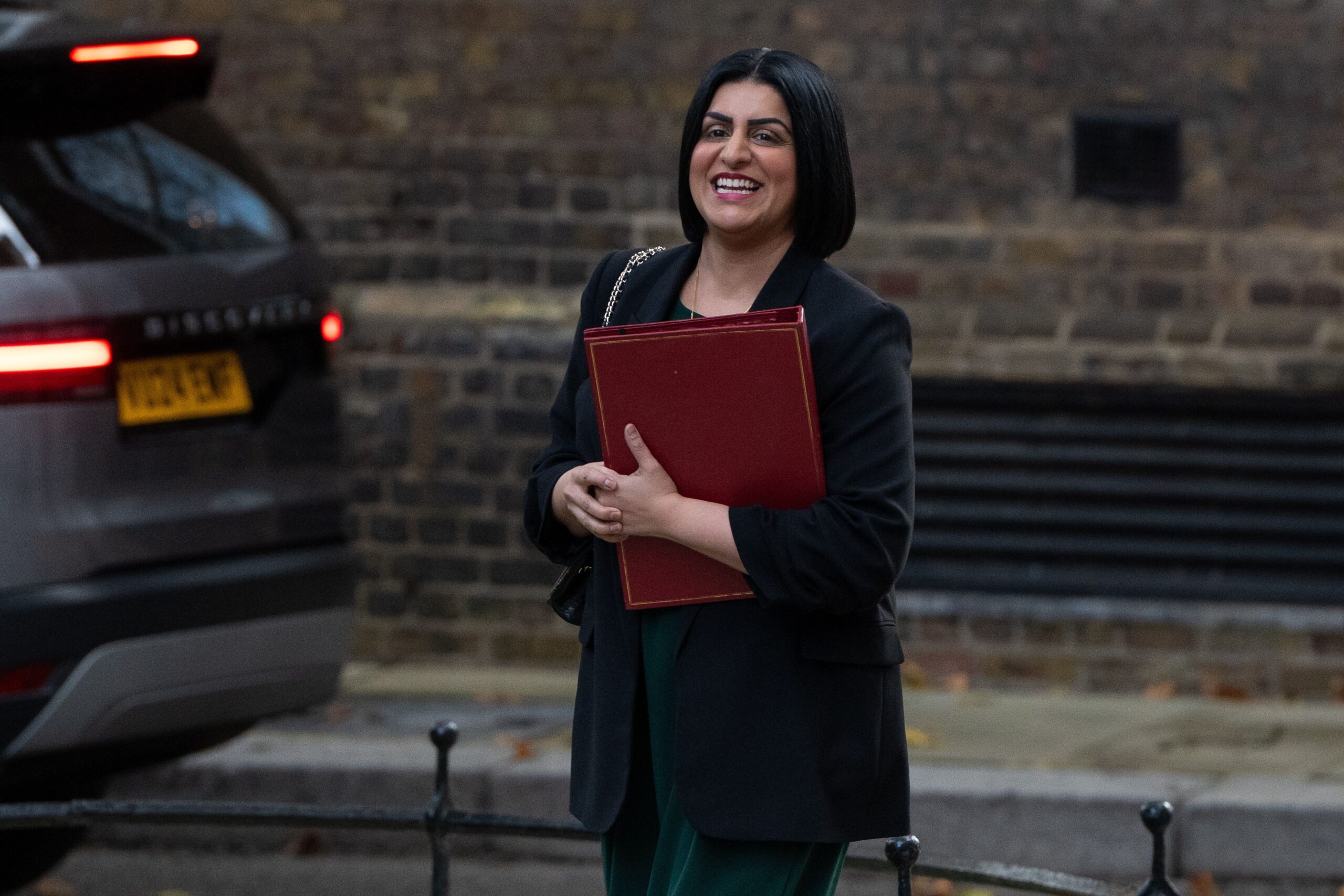
Countries that refuse to repatriate illegal migrants from Britain will face visa restrictions, the Home Secretary Shabana Mahmood is set to announce. Angola, Namibia, and the Democratic Republic of Congo will be the first states targeted in a significant crackdown designed to enhance deportations, reports BritPanorama.
These nations reportedly account for over 4,000 illegal migrants and foreign offenders currently in the UK. The Home Secretary’s announcement comes amid increasing pressure from MPs and senior Labour figures concerned about the government’s immigration policies.
Mahmood has sent formal warnings to these countries, demanding they cooperate within one month to facilitate the return of their nationals. Government officials have characterized Angola, Namibia, and the Democratic Republic of Congo as the “most obstructive” regarding returns, indicating that the visa bans represent an initial effort to demonstrate the UK’s seriousness on the issue.
The proposed measures are positioned as part of an extensive overhaul of the asylum system. Under new guidelines, diplomats and VIPs from non-compliant countries will first lose their fast-track visa access, with subsequent escalations including the complete removal of priority services and ultimately a total visa ban on all citizens of the countries involved.
Mahmood emphasized the importance of cooperation, stating, “In Britain, we play by the rules. When I said there would be penalties for countries that do not take back criminals and illegal immigrants, I meant it.”
Her plans are reminiscent of immigration tactics employed by Donald Trump during his presidency, particularly concerning African and East Asian nations, and demonstrate a clear willingness to adopt a more hardline stance on immigration.
The announcement details other strict reforms regarding refugees, including the introduction of temporary refugee status, longer waiting periods for citizenship, and limitations on benefits for asylum seekers. Additionally, illegal migrants may see their possessions confiscated to cover accommodation costs.
The measures have raised alarm among some Labour MPs, with concerns voiced by Folkestone MP Tony Vaughan, who urged the government to reconsider deportation plans for refugee families. He criticized the idea of deporting recognized refugees and called for a more welcoming approach to those granted asylum.
Mahmood continues to assert that the reforms aim to address the complexities of immigration systems in the UK, highlighting the need for clearer policies that discourage misuse of immigration laws and reflect the pressures felt in communities across the country.
This move is likely to reshape the contours of the UK’s immigration approach, with implications for diplomatic relations and international cooperation on migration. Further developments are expected as the government seeks to implement these changes and assess their impact.
The situation underscores the tensions surrounding Britain’s post-Brexit immigration strategy and raises questions about the balance between national security and humanitarian obligations.