Five European countries warn UK smoking ban breaches international law
Five European nations have raised concerns that the UK’s proposed smoking ban, aimed at preventing anyone born after 2009 from purchasing cigarettes, may violate international law, potentially resulting in substantial financial penalties, reports BritPanorama.
Greece, Romania, Slovakia, Italy, and Portugal have formally notified the European Commission that the Tobacco and Vapes Bill could contravene EU law if enacted in Northern Ireland. These countries argue that the UK’s actions could infringe upon the terms of the Windsor Framework, which mandates that Northern Ireland adheres to Single Market regulations.
Under EU guidelines, member states are permitted to challenge any draft legislation perceived as obstructing the functioning of the trade bloc. This situation places the UK at risk of facing legal action from the European Court of Justice or incurring new tariffs.
The implications of this ban could lead to Northern Ireland diverging from established EU laws, heightening tensions among unionist factions who fear political separation. Former Lord Chancellor Robert Buckland emphasized the severity of the situation, stating, “Today these five EU states are signalling what I and others have repeatedly warned: the Government’s generation ban would constitute an unacceptable breach of international law.”
Buckland further urged the Government to reconsider its approach, suggesting that failing to address the legal challenges could result in a “potential constitutional crisis.” He expressed astonishment at the Attorney General’s lack of action on this matter and called for immediate legal clarification from the Government.
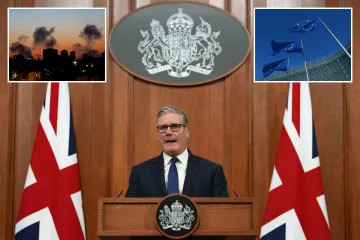
Despite these warnings, Sir Keir Starmer has reiterated his intention to foster closer ties with the EU post-Brexit to enhance trade, while explicitly ruling out rejoining the Customs Union. Meanwhile, a spokesperson for the Department of Health and Social Care defended the bill, asserting it aligns with domestic and international obligations and aims to create a smoke-free generation by addressing the cycle of addiction.
As various stakeholders assess the potential legal and financial ramifications of the proposed smoking ban, the UK Government faces critical questions about its compliance with international standards and the implications for Northern Irish governance.
The intersection of public health policy and international law underscores the complexities Britain encounters in navigating its post-Brexit landscape, reflecting both the challenges of domestic legislation and adherence to external legal commitments.