Council tax bills set to rise as households face financial pressure
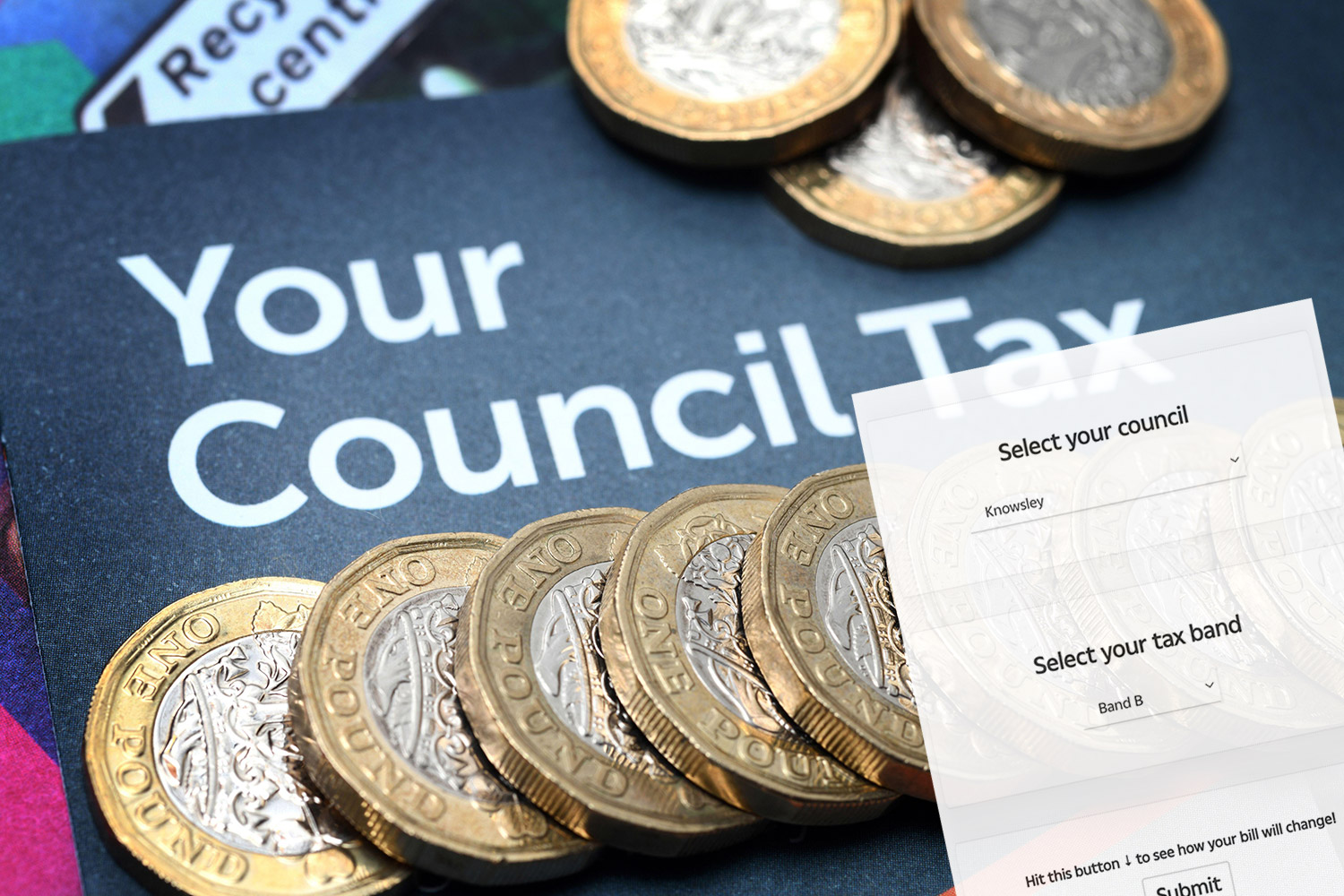
Four million households in the UK will experience a significant increase in their council tax bills, with the average Band D home seeing an additional £111 charge from April, reports BritPanorama.
The typical Band D property will now incur a total charge of £2,392, following figures released by Ministers. This overall average increase across all council tax bands will amount to £98, further straining household finances amid ongoing concerns regarding the cost of living crisis.
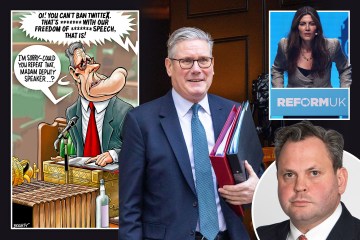
This rise in council tax rates presents a considerable challenge for Labour leader Sir Keir Starmer, who has identified the cost of living as his top priority. Alongside this development, inflation is anticipated to rise, with the Bank of England indicating that it is prepared to take further action, potentially leading to higher interest rates.
The Taxpayers’ Alliance has described this increase as the largest nominal rise in over 20 years. Shadow Communities Secretary Sir James Cleverly criticized the government, stating, “Under Labour, council tax is going through the roof, with bills up by £111 on the average Band D property this year alone.” He added, “These are tax hikes cooked up in Whitehall with town halls left to take the blame.”
Criticizing Starmer’s leadership, Cleverly noted that families now face compounded tax increases, estimating the total council tax take to rise by £2.7 billion. He concluded by stating that “Conservatives will always back hard-working people, delivering better services while keeping council tax down, while Labour, Lib Dem and Reform councils are pushing through the highest rises.”
Darwin Friend, research director of the TaxPayers’ Alliance, echoed these concerns, reflecting on the increasing financial burden on households. He stated, “Local government is continuing to pile the pressure onto already stretched household budgets, with the largest increase in bills in two decades.”
The implications of these tax increases will likely resonate beyond individual households, affecting wider economic conditions and government policy responses as the cost of living remains a central issue for UK voters.
As local councils navigate their financial challenges amidst rising costs and public expectations, the impact of these council tax increases will merit close examination in the context of broader economic strategies and social responsibility.